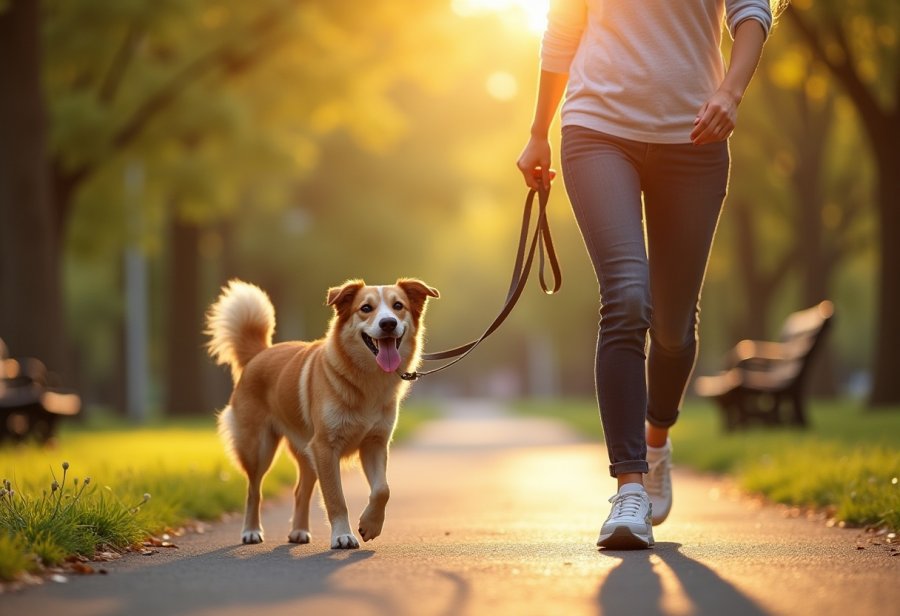
Transform Your Dog’s Happiness with Joyful Outdoor Walks
Few moments capture pure happiness like a dog’s joyful outdoor walk—tail wagging, nose sniffing, eyes gleaming with trust. These simple adventures transcend routine, offering mental stimulation, physical health benefits, and deepening bonds between dogs and owners. But what makes these walks so profoundly meaningful? Scientific insights reveal that exploring new scents and environments triggers endorphins and serotonin, transforming ordinary strolls into powerful sources of emotional well-being. Natural settings amplify this joy, turning each outing into a sensory-rich adventure that fosters confidence and reduces stress. From playful encounters to trust-building interactions, these moments create lasting bonds. With emerging technologies promising safer, more engaging experiences tailored to every dog’s personality and needs, will outdoor walks evolve into even more enriching journeys? The future of pet exploration holds exciting possibilities—where every step becomes a chance for happiness, discovery, and deeper connection.

Discover the Joy of Outdoor Walks for Dogs
Taking your dog outdoors for a walk isn’t just about giving them exercise; it’s a vital part of their overall well-being. Dogs are naturally curious creatures, and they thrive when they can explore the world beyond your front door. These outdoor adventures stimulate their senses—sights, sounds, and especially smells—that keep their minds sharp and engaged. It’s during these moments of discovery that dogs find genuine happiness, transforming a simple walk into a meaningful experience.
Beyond mental stimulation, outdoor walks are essential for maintaining physical health. Regular movement helps dogs stay at a healthy weight, build muscle tone, and prevent obesity-related issues. But the benefits go deeper—these outings also foster emotional balance. Dogs that get outside often tend to be calmer, more confident, and less anxious. The combination of physical activity and sensory engagement creates a sense of fulfillment that benefits their overall mood.
Sharing these walks with your dog also strengthens your bond. The peaceful moments of exploration and mutual trust help build a connection rooted in safety and affection. As your dog sniffs and investigates new environments, they learn to trust you as their guide and protector. Positive interactions, like praise or gentle guidance, reinforce this bond, making each walk not just a routine but a shared adventure.
Natural settings amplify the joy of outdoor walks. Whether you’re strolling through a park, a trail, or a quiet neighborhood, the environment offers a rich tapestry of stimuli. The rustling leaves, bird songs, and passing animals engage your dog’s senses and keep them curious. These simple yet powerful encounters help reduce stress and boost confidence, turning everyday outings into opportunities for mental and emotional growth.
It’s also important to tune into your dog’s signals during walks. Recognizing when they’re tired, overly excited, or overwhelmed allows you to adjust the pace or take a break. A relaxed, responsive approach ensures that outdoor time remains a positive experience, encouraging your dog to look forward to future outings. When they feel understood and safe, walks become a source of genuine happiness and relaxation.
Ultimately, outdoor walks are more than just a daily task—they’re moments of connection, discovery, and joy. They fulfill your dog’s natural instincts, support physical and emotional health, and deepen the bond you share. Making outdoor walks a regular part of your pet’s routine enriches both their life and yours, turning simple steps into lasting memories of companionship and happiness.
The Science Behind Canine Happiness
Research shows that dogs find outdoor walks genuinely joyful because of how their brains respond to movement and sensory input. When dogs explore new environments, their brains release feel-good chemicals like endorphins and serotonin, which boost mood and reduce stress. This biological response explains why many dogs appear calmer and happier after a walk—it’s not just physical exercise but a mental boost as well.
A dog’s sense of smell plays a crucial role in their happiness during outdoor adventures. Their olfactory system is incredibly developed, allowing them to process a wealth of information through scents. Every new smell acts as a mental puzzle, activating emotional and memory centers in their brain. Sniffing and investigating these scents give dogs a mental workout that keeps them satisfied and relaxed, often leaving them more content after their walk.
Sight and sound are equally important. Moving through varied environments exposes dogs to sights like flying birds or passing people, and sounds such as rustling leaves or distant voices. These stimuli engage their curiosity and mental faculties, helping them feel more secure and less anxious. When dogs are mentally stimulated through these sensory experiences, their overall mood improves, making outdoor walks a natural source of happiness.
Physical activity during walks isn’t just about burning energy. It directly influences emotional well-being by releasing endorphins, the body’s natural mood lifters. A brisk walk can turn a restless or anxious dog into one that’s lively and confident. Regular movement also balances hormones and lowers stress hormones, fostering a calmer, more emotionally resilient pet. This biological feedback loop highlights why outdoor walks are so effective at nurturing a dog’s happiness.
The bond between dogs and their owners deepens during these outdoor moments. As dogs explore and trust their environment—and their human—they develop feelings of safety and connection. Positive interactions like praise or gentle guidance reinforce this bond, making future walks more enjoyable. Over time, these shared experiences strengthen trust and affection, transforming routine outings into meaningful rituals of companionship.
Individual personalities and past experiences shape how dogs respond to outdoor walks. Naturally curious dogs thrive on new sights and smells, while more reserved pets may need gradual exposure to build confidence. When owners pay attention to their dog’s reactions and adapt, outdoor walks become tailored adventures that boost happiness. This personalized approach encourages dogs to see walks as positive, exciting parts of their day.
Science also underscores that outdoor exploration helps prevent behavioral issues. Allowing dogs to investigate their environment reduces stress-induced behaviors like excessive barking or destructive tendencies. The mental and physical stimulation from these outings creates a sense of balance and security. In turn, dogs feel more relaxed and confident, making outdoor walks an essential part of their emotional health and overall happiness.
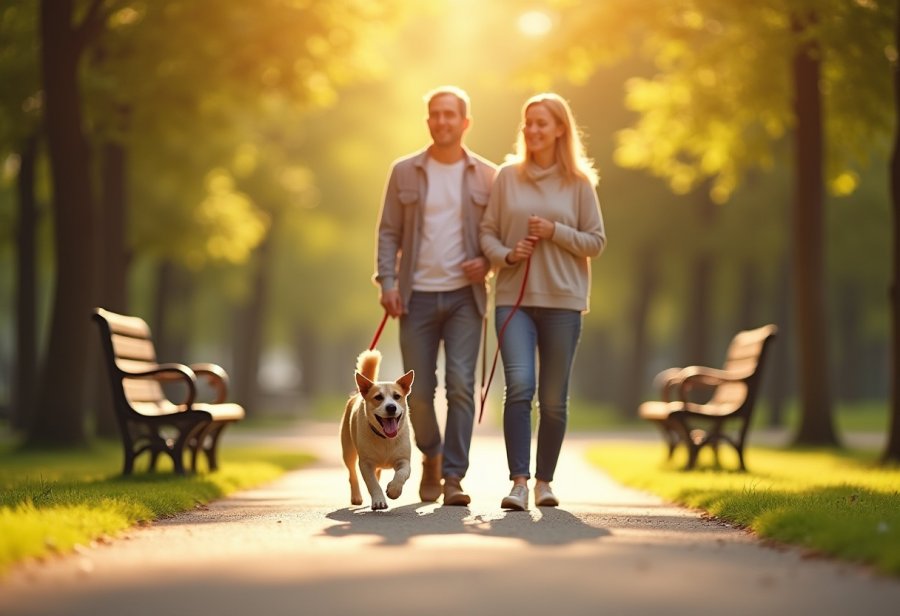
Elements That Make a Walk Truly Joyful
A truly joyful outdoor walk for a dog comes down to a few simple elements that turn an ordinary stroll into a memorable adventure. Giving your dog plenty of freedom to explore at their own pace is essential. When they’re allowed to sniff, investigate, and take in their surroundings without feeling rushed, they experience a sense of discovery that fuels their happiness. Those moments of curiosity and exploration are what make the walk rewarding and enriching for them.
Choosing the right environment can make all the difference. Mild weather and sunny days naturally boost your dog’s mood, encouraging enthusiasm and playfulness. Natural settings like parks, trails, or quiet neighborhoods offer a variety of stimuli—fluttering leaves, birdsong, other animals—that keep their senses engaged. These diverse sights and sounds create a stimulating environment that promotes confidence and curiosity, making each walk feel like an exciting journey.
Building trust through positive interactions deepens the bond during outdoor adventures. Calm guidance and praise help your dog feel safe and loved as they explore. When you reward good behavior and show patience, your dog learns to associate walks with positive experiences, fostering a sense of security. This trust encourages them to be more confident in new environments, turning each outing into a mutually enjoyable experience of connection.
Nature provides endless opportunities for mental and physical stimulation. Whether it’s a wooded trail or an open field, the environment offers sights and smells that satisfy your dog’s natural instincts. Pausing to watch a bird or investigate a patch of wildflowers keeps their mind alert and engaged. These simple moments of discovery help reduce stress and boost confidence, transforming the walk into a captivating adventure that nurtures their well-being.
Paying close attention to your dog’s signals is key. Recognizing when they’re tired, excited, or overwhelmed allows you to adjust your pace or take a break. An unhurried, relaxed approach makes outdoor time comfortable and enjoyable, encouraging your dog to look forward to future walks. When they feel their needs are understood and respected, outdoor outings become a source of genuine happiness and calm.
Adding playful activities or gentle training turns routine walks into interactive experiences. Fetch, teaching a new command, or exploring different routes keeps things fresh and mentally stimulating. These small touches strengthen your bond and make each outing more memorable, transforming a simple walk into a shared adventure of joy and discovery.
Real-Life Stories and Practical Insights
Many dog owners have heartwarming stories that highlight the pure joy of outdoor walks. Take Max, a lively Labrador, who would get so excited at the park that he’d dash ahead, tail wagging furiously and eyes sparkling with happiness. His owner recalls how Max’s whole body seemed to radiate enthusiasm as he sniffed every patch of grass and chased after distant sounds. These moments of unbridled joy turn ordinary outings into cherished memories, filled with trust, curiosity, and mutual discovery.
Another favorite story involves Luna, a playful border collie. One afternoon, we wandered along a quiet nature trail, and her excitement was contagious. She paused to watch a flock of birds take flight or to chase a butterfly fluttering nearby. Observing her joy in simple discoveries reinforced why outdoor walks are such a profound source of happiness for dogs. These experiences remind us that the smallest moments—like sniffing a flower or feeling the wind—can create lasting bonds and deepen our understanding of our pets.
Owners often notice remarkable behavioral changes after establishing regular outdoor routines. Many report their dogs becoming calmer, more confident, and less anxious. Dogs that once barked excessively or showed signs of stress often mellow out after exploring new environments and engaging their senses. Seeing these transformations highlights how outdoor walks aren’t merely about physical health—they are vital for emotional balance, fostering a sense of security and happiness that lasts beyond the walk.
Every dog has unique preferences, and paying attention to these nuances makes outings more rewarding. Some dogs thrive on energetic routes filled with running and play, while others enjoy slow, shaded strolls. Varying routes and environments keeps their senses engaged and prevents boredom. When owners adapt to their dog’s individual needs and reactions, outdoor walks become more than routine—they turn into adventures that nurture confidence, curiosity, and trust.
These stories and insights serve as a reminder: outdoor walks are more than just exercise. They are moments of discovery, trust, and joy that strengthen the bond between you and your dog. Witnessing a shy or reserved dog blossom through nature’s simple pleasures underscores the transformative power of these shared experiences. Each walk, filled with scents, sights, and sounds, becomes a treasured chapter in your pet’s well-being and your relationship—a daily celebration of life’s simplest, purest happiness.
Future Trends: Enhancing Your Dog’s Outdoor Experiences
Looking ahead, the future of outdoor walks with dogs is set to become more innovative and tailored to each pet’s needs. Advances in technology are opening new possibilities that can make walks safer, more engaging, and more meaningful. Wearable devices like GPS trackers and health monitors are already helping owners keep tabs on their dogs’ activity levels and well-being. These tools allow for personalized routines that promote physical health while ensuring dogs stay safe during their adventures.
Beyond wearables, emerging technologies like virtual reality (VR) and augmented reality (AR) are beginning to explore ways to enrich a dog’s outdoor experience. Imagine immersive environments that provide mental stimulation or calming virtual landscapes designed to ease anxiety. Such innovations could help urban dogs or those with mobility challenges enjoy the benefits of outdoor exploration, even in limited spaces or crowded settings.
Communal spaces are also evolving, with smart parks and guided nature trails offering interactive features that enhance safety and engagement. These parks might include sensors that monitor environmental conditions or interactive elements that encourage dogs to explore safely. Such spaces promote socialization and sensory discovery, turning everyday walks into more dynamic and enriching adventures for dogs and their owners alike.
Personalized walk routines are likely to become the norm, combining data from wearable tech and environmental cues. Owners could receive real-time feedback on their dog’s mood or energy, adjusting routes and activities accordingly. Virtual companions or guided walks could add an extra layer of engagement, encouraging dogs to develop confidence and curiosity while deepening the bond with their owners.
As these innovations develop, the potential for outdoor walks to support a dog’s happiness and well-being expands dramatically. We may see more accessible options for dogs of all ages and abilities, helping them experience the joy of exploration and discovery. The integration of technology and community resources promises a future where outdoor outings are not only safer but also more stimulating and tailored to each pet’s personality.
The trend toward customization and smarter outdoor spaces reflects a broader understanding of the importance of mental and emotional health in dogs. Future walks could become holistic experiences—combining physical activity, sensory engagement, and mental enrichment—designed to foster happiness and confidence. These advancements will help pet owners create outings that are not just routine, but truly memorable adventures.
Ultimately, the evolution of outdoor walks will continue to prioritize the natural instincts and individual personalities of dogs, ensuring each outing is as rewarding as it is safe. As technology and community efforts merge, the simple pleasure of a walk will grow richer, more engaging, and more aligned with the unique needs of every dog. The journey ahead promises to make every step a new opportunity for joy, discovery, and deeper connection.