
Embrace the Chaos and Humor of DIY Computer Upgrades
Embark on a humorous yet relatable journey into the chaotic world of DIY computer upgrades. What begins as a simple quest for speed often spirals into tangled cables, compatibility puzzles, and unexpected mishaps—sparks flying, screws dropping, and cables resembling a spaghetti mess. Despite the frustration, these mishaps become badges of experience, transforming mistakes into stories of resilience and humor. Are you prepared to navigate this unpredictable terrain with patience, preparation, and a sense of humor? The path to a faster PC is filled with lessons, surprises, and opportunities to learn, laugh, and grow more confident with each project. Embracing the chaos turns a potentially overwhelming task into an adventure that’s as rewarding as it is entertaining, ultimately proving that even in tech, a little mess is just part of the journey toward mastery.

Dive Into the Hilarious Chaos of DIY Computer Upgrades
Upgrading your computer is a common impulse—it’s like giving your machine a quick boost without splurging on a new one. You start with good intentions: swap out a piece here, add a component there, and suddenly your system is faster, more capable, and ready to handle the latest games or software. But as many who’ve tried can tell you, the reality often turns into something quite different. What begins as a simple upgrade quickly spirals into a chaotic adventure, filled with tangled cables, mysterious screws, and a mountain of technical mishaps.
Once you crack open your case, the fun begins. Cables twist and coil in every direction, resembling a spaghetti mess more than an organized setup. Manuals and online guides seem written in a language only tech wizards understand, making the process feel like decoding an ancient script. Confident at first, you soon realize that compatibility issues, missing screws, or stubborn cables can turn a quick upgrade into a frustrating puzzle. It’s a test in patience and perseverance—one that often involves more trial and error than you’d expect.
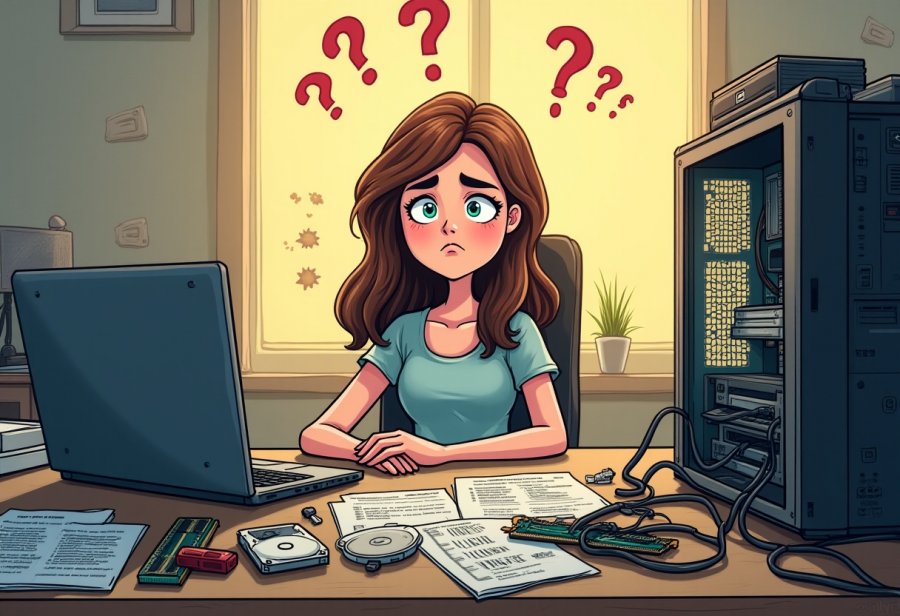
Many see this chaos as part of the experience, a badge of honor for the adventurous DIYer. The scene of a disassembled machine, wires sprawling across the desk, and a user scratching their head in confusion is almost universal among tech enthusiasts. And it’s these moments of uncertainty—when a cable refuses to budge or a component won’t fit—that turn a straightforward task into a comedy of errors. Yet, it’s precisely this unpredictability that makes the process memorable.
The allure of upgrading is strong, but so are the surprises. Forgotten static precautions, misplaced screws, or installing a RAM module backward are common pitfalls. These small mistakes can quickly escalate, transforming what should be a simple upgrade into hours of troubleshooting. But even in the chaos, there’s humor—stories of sparks flying, accidental drops, and “aha” moments when everything finally clicks. These mishaps become stories to laugh about later, proof that everyone faces these hurdles at some point.
Despite the mess and setbacks, many find that these chaos-filled moments add character to their tech journey. Instead of frustration, they see it as part of the learning process. The tangled wires, spilled thermal paste, and misconnected cables become badges of experience. Each mistake teaches a lesson, making the next upgrade smoother and more confident. Ultimately, it’s this blend of chaos and humor that turns a routine hardware swap into a memorable adventure.
Approaching your upgrade with patience, preparation, and a sense of humor changes the game entirely. Gathering the right tools, reading manuals carefully, and organizing your workspace can prevent many headaches. But when chaos does strike, taking a step back and troubleshooting systematically can turn a potential disaster into a manageable puzzle. After all, the journey of upgrading isn’t just about faster performance—it’s about embracing the unpredictability and having a little fun along the way.
In the end, the chaos of DIY upgrades isn’t something to fear. It’s what makes the process real, relatable, and ultimately rewarding. When you finish, you won’t just walk away with a more powerful computer—you’ll have a story of perseverance, a few good laughs, and a newfound confidence in tackling the next tech challenge. Because in the world of DIY tech, a little mess is just part of the package.
Laugh Through the Common Mishaps of Tech Tinkering
When it comes to DIY computer upgrades, humor often finds its way in, sometimes intentionally, sometimes not. Imagine someone trying to install a new graphics card only to realize they forgot to unplug the power supply first. Sparks fly, a puff of smoke appears, and suddenly it feels less like a hardware upgrade and more like a small fireworks show. These moments are almost guaranteed for first-timers who underestimate static electricity or mishandle delicate parts, turning what should be a quick task into a miniature disaster.
Cable management quickly becomes its own comedy act. The moment you open your case, you’re greeted by a tangled web of wires that looks more like a spaghetti dinner gone wrong than an organized setup. Troubleshooting involves a lot of wire wrangling, with each unplugged cable seeming to have a mind of its own. Sometimes, cables knot so tightly that even seasoned techs question whether they’re dealing with stubborn yarn rather than hardware. It’s a vivid reminder that even the simplest upgrade can turn into a puzzle, especially when cables refuse to cooperate.
Hardware mishaps are a staple of the upgrade saga. Installing RAM modules backward or into the wrong slots is a common mistake that leaves you scratching your head for hours. One user shared how they spent ages trying to figure out why their PC wouldn’t turn on—only to realize they’d installed the memory upside down. Small errors like these often turn a quick upgrade into a comedy of errors, prompting a mix of groans and laughter once the mistake is finally spotted. These slip-ups are part of the learning curve, and everyone has been there at some point.
Then there are the accidental damages—forgetting to ground yourself before working inside the case, which can lead to static shocks frying sensitive components. It’s a rookie mistake that many share as a badge of honor or shame. Screws get dropped or misplaced, only to be found days later in the most inconvenient spots—inside the case, wedged between parts, or tucked away in unlikely corners. These little mishaps turn routine upgrades into memorable stories that remind us even experienced tech enthusiasts face chaos and setbacks.
Despite all the mess and mishaps, these moments add character and humor to the DIY upgrade experience. They transform frustration into laughter and mistakes into stories of resilience. The tangled wires, spilled thermal paste, or accidentally bumped components are badges of learning, not failures. Each slip-up becomes a lesson that makes the next project smoother and more confident, turning what seems overwhelming into a funny, rewarding adventure.
In the end, embracing the chaos with patience and humor makes all the difference. Recognizing that mishaps are part of the process helps keep frustration at bay. Every tangled cable or dropped screw is just a chapter in your DIY story—one that’s filled with progress, laughter, and a little bit of chaos. These moments of mishap remind us that technology isn’t always predictable, and that’s exactly what makes tinkering so memorable.
Master the Art of Navigating Upgrade Pitfalls
Before diving into your DIY computer upgrade, a little preparation can save you hours of frustration. Start by double-checking that all your new parts are compatible with your existing system. Reviewing your motherboard’s manual or online specifications ensures your CPU, RAM, and graphics card will fit and work together without surprises. Gathering essential tools—like quality screwdrivers, thermal paste, and anti-static wristbands—before you begin helps keep the process smooth and prevents accidental damage. Watching a few targeted tutorials or following step-by-step guides tailored to your hardware can give you a clearer picture of what to expect, reducing the chances of unexpected hurdles.
As you open your case, organization becomes your best friend. Keep your workspace tidy and lay out all screws, cables, and components in an orderly fashion. Labelging cables or taking photos before disconnecting them makes reassembly easier and avoids confusion. When removing or installing parts, work gently and follow instructions carefully—forcing components or yanking cables can cause damage or make troubleshooting harder down the line. Patience is key; rushing through steps often leads to overlooked mistakes or accidental damage.
Reading manuals and online guides thoroughly before starting is crucial. These resources often contain vital tips—like which RAM slots to use or how to seat a CPU cooler properly—that might seem minor but can prevent big headaches later. Making notes or marking important steps in your manuals helps you keep track of progress and avoid repeating errors. If you’re unsure about compatibility or installation, don’t hesitate to seek advice on forums or watch additional tutorials; sometimes a quick tip from an experienced builder can save hours of troubleshooting.
During the upgrade process, work methodically. Disconnect power before opening the case, and handle components by their edges to avoid static or accidental damage. When installing new hardware, do so gently—forcing parts can crack or bend pins. Keep cables organized and avoid letting them dangle or block airflow. Using cable ties or Velcro straps to tame the spaghetti of wires makes future upgrades or troubleshooting much easier. If your system doesn’t boot after the upgrade, troubleshoot step-by-step—checking connections, BIOS settings, and component recognition—rather than yanking everything apart in a panic.
Remember that mistakes happen, even to the most experienced builders. If something isn’t working right away, verify all connections, ensure compatibility, and consider updating drivers or resetting BIOS settings. Keeping a calm, methodical approach helps you avoid making more errors and turns potential chaos into a manageable puzzle. Taking your time and troubleshooting systematically prevents small issues from snowballing into major setbacks.
Handling components carefully and troubleshooting systematically transforms potential chaos into a smooth process. Ground yourself with an anti-static wristband, and never force a component into place. If something doesn’t seem to fit, double-check size, orientation, and compatibility first—rushing can cause damage that’s costly and frustrating. Patience and attention to detail are your best tools for ensuring a successful, chaos-free upgrade.
By staying organized, working carefully, and approaching problems with a clear head, you turn a potentially overwhelming task into an achievable project. Embracing the process as a learning experience helps you stay motivated and confident. Remember, each mistake or unexpected hiccup is just part of the journey—bringing you closer to a faster, better-built PC, and plenty of stories to tell.
Learn Expert Tips to Conquer Upgrade Mayhem
Experienced technicians emphasize that a smooth upgrade begins long before you open your case. Checking compatibility carefully—matching socket types, RAM speeds, and power supply wattage—is crucial to avoid surprises that can turn a simple upgrade into chaos. Skipping this step often leads to hours of troubleshooting or even hardware damage, so investing time upfront saves headaches later.
Using quality tools and thoroughly reading manuals can make a world of difference. Cheap screwdrivers might strip screws or damage delicate parts, while reliable tools help you handle components safely. Manuals and online guides contain vital tips—like proper RAM slot placement or correct cooler installation—that might seem minor but prevent big problems. Ignoring these details can turn a straightforward task into a frustrating puzzle.
Breaking the upgrade into manageable steps is another key strategy. Disconnect power before opening the case, organize your cables, and work gently. Labeling cables or taking photos before disconnecting makes reassembly easier and reduces the risk of mistakes. Rushing or forcing components often causes damage or misconnections, so patience and careful handling are worth their weight in gold.
Troubleshooting efficiently is a skill that separates seasoned pros from amateurs. Check connections, BIOS recognition, and driver updates systematically. If something doesn’t work, revisit each step rather than yanking parts apart in frustration. Keeping notes of what you’ve tried prevents repetitive errors and keeps the process calm and controlled.
Grounding yourself with an anti-static wristband is essential to protect sensitive parts from static shocks. Handle components by their edges and avoid applying excessive force—forcing a part can bend pins or crack chips, leading to costly repairs. Patience and precision are your best allies, turning what could be chaos into a straightforward process.
Learning from experience is invaluable. Over time, you’ll recognize common pitfalls and develop a mental checklist to prevent them. Observing how experienced technicians approach each step helps you adopt best practices, reducing errors and streamlining future upgrades. This ongoing learning transforms chaos into confidence.
Finally, maintaining a calm, methodical mindset makes all the difference. Even seasoned builders encounter setbacks, but staying composed prevents mistakes from snowballing. Each upgrade becomes not just a technical task but a chance to improve your skills and enjoy the process. With patience and attention to detail, you’ll keep chaos at bay and upgrade your system with confidence.
Embrace the Mess: Your Guide to Successful and Fun PC Boosts
The chaos and humor that come with DIY computer upgrades show us that even with careful planning, things rarely go perfectly. No matter how many checklists you follow or how organized your workspace is, tangled cables, misplaced screws, and unexpected compatibility hiccups almost always pop up. These moments of mess aren’t just frustrating—they’re part of the experience, adding a layer of unpredictability that makes the journey memorable.
The key to navigating this chaos is to approach each upgrade with patience and a good sense of humor. Taking the time to double-check compatibility, gather the right tools, and follow instructions carefully can prevent many headaches. But when surprises happen—and they will—you’ll find that staying calm and troubleshooting systematically makes all the difference. A step back, a clear head, and a methodical approach turn potential disasters into manageable puzzles.
Learning from each experience is what makes these moments valuable. Every dropped screw, tangled wire, or static shock becomes a story you’ll laugh about later and a lesson that makes your next upgrade smoother. Over time, you’ll develop your own system for tackling projects, reducing chaos and boosting confidence with every build. It’s not just about making your PC faster; it’s about growing more comfortable with the unpredictability inherent in tech tinkering.
Remember, mistakes are inevitable—what matters most is how you handle them. Embracing the mess as part of the process keeps frustration at bay and transforms setbacks into opportunities for growth. With each project, you’ll become more skilled at staying organized, working patiently, and solving problems efficiently. This mindset turns the chaos into a series of small victories, making each upgrade a satisfying achievement rather than a source of stress.
Once you finish, you won’t just walk away with a more powerful computer—you’ll also have a collection of stories that prove you’re capable of handling the hilarious, unpredictable world of DIY upgrades. These moments of chaos remind us that technology isn’t always predictable, and that’s what keeps it interesting. The journey may be messy, but it’s also rewarding and full of learning.
So, when you’re ready to tangle with your hardware again, remember: embrace the mess. Keep your focus, stay organized, and don’t be afraid to laugh at the inevitable missteps. With patience, preparation, and a sense of humor, you’ll turn chaos into accomplishment—and end up with not only a better machine but also a few good stories to tell.