Revolutionize Business Communication with Smart Telephony Devices
Imagine transforming your business communication into a seamless, highly customizable experience—how much more could your organization achieve? Grandstream’s innovative telephony devices promise to do just that, merging crystal-clear audio with intelligent integration and centralized management. But what if your current systems are holding you back with rigidity and inefficiency? These modern IP phones and scalable solutions redefine what’s possible, enabling rapid deployment, remote configuration, and growth without costly overhauls. They don’t just improve call quality—they revolutionize workflows, connecting seamlessly with CRM systems and collaboration tools to enhance customer service and team productivity. Can your infrastructure keep pace with today’s fast-moving digital landscape? Embracing these advanced tools not only streamlines communication but also empowers your organization to adapt quickly, foster remote work, and stay ahead of competitors. The question is: are you ready to unlock the full potential of your network with smarter, more flexible telephony?
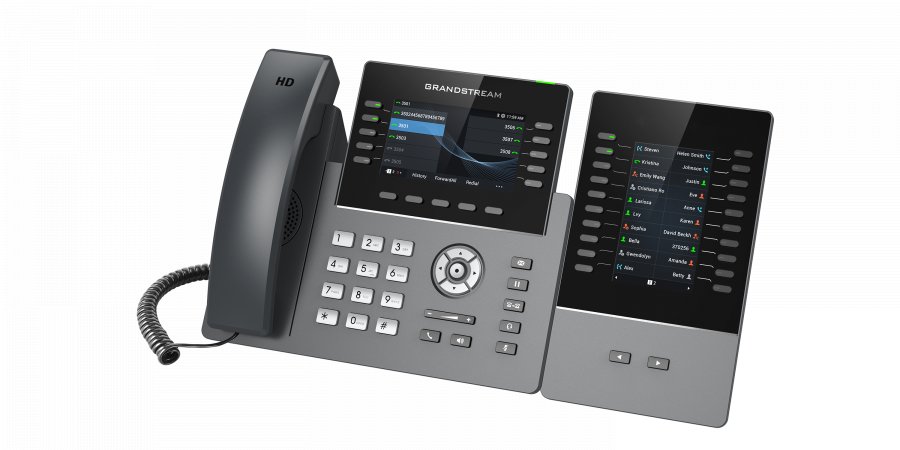
Tailored Telephony: Revolutionizing Business Communication for Smarter, Faster Interactions
In today’s fast-moving business landscape, communication is more than just making phone calls; it’s about creating a smooth, efficient flow that keeps teams connected and customers happy. Off-the-shelf phone systems often fall short because they’re designed to meet the needs of a broad audience, not tailored to the unique workflows of individual organizations. That’s why customized telephony solutions are becoming essential—they’re built to fit your specific operations, helping you work smarter and respond faster.
A one-size-fits-all approach can create friction, slowing down processes and limiting growth. When your communication system aligns with your business’s particular needs, it streamlines daily tasks and enhances productivity. Whether managing a busy customer support team, coordinating remote workers, or handling complex workflows, a tailored system adapts to your environment rather than forcing you to adapt to it. This level of customization reduces errors, improves response times, and ultimately leads to a better experience for both staff and clients.
The shift toward personalized communication environments is driven by the increasing demand for flexibility and control. Traditional phone systems rely on hardware and infrastructure that can be costly and difficult to change quickly. Today’s digital solutions, especially those based on cloud platforms, allow organizations to modify, scale, and manage their telephony systems remotely. This flexibility means less downtime, faster deployment, and a system that evolves alongside your business without expensive overhauls.
Modern telephony solutions also excel in integrating seamlessly with other digital tools. They can connect directly with customer relationship management (CRM) systems, collaboration platforms, and various business applications. This integration simplifies workflows by reducing the need to switch between multiple apps, giving employees instant access to vital information during calls. As a result, teams respond more effectively, make better decisions, and deliver enhanced customer service—further boosting overall efficiency.
Security and compliance are critical considerations in today’s digital environment. Customizable systems give you control over how data is stored, who has access, and how calls are routed. This level of oversight helps protect sensitive information and ensures adherence to industry standards and regulations. For organizations handling confidential or regulated data, this control is not just a benefit but a necessity, providing peace of mind alongside operational efficiency.
The ability to adapt quickly to changing needs is another key advantage of tailored telephony. As your business grows or shifts focus, your communication infrastructure should keep pace. Custom solutions make it easy to add new departments, support remote workers, and implement new features without starting from scratch. This scalability reduces long-term costs and minimizes disruptions, making your communication system a true enabler of growth rather than a bottleneck.
Technology advancements are making personalized telephony more accessible and easier to manage than ever before. Cloud-based management platforms allow you to monitor, configure, and troubleshoot your entire system remotely. This ease of control not only cuts operational costs but also empowers your team to respond swiftly to issues, ensuring high availability and reliability. Building a flexible, scalable communication infrastructure today sets the stage for future success in an ever-evolving digital world.
In summary, customized telephony solutions are transforming how businesses communicate. They offer the perfect blend of flexibility, control, and integration, enabling organizations to operate more efficiently and deliver superior customer experiences. As technology continues to advance, investing in a tailored system isn’t just a smart choice—it’s a strategic move to stay competitive and agile in an increasingly connected world.

The Foundations of Modern Telephony: From VoIP to Seamless Digital Connectivity
Modern telephony systems are fundamentally built on Voice over Internet Protocol (VoIP) technology, which has revolutionized business communication. Unlike traditional landlines that rely on copper wires and analog signals, VoIP converts voice into digital data that travels seamlessly over the internet. This shift not only cuts costs but also provides incredible flexibility, allowing organizations to scale their communication infrastructure easily as they grow.
At the heart of VoIP is a reliable, high-speed internet connection. Call quality depends heavily on network performance—lag, jitter, or packet loss can turn clear conversations into frustrating experiences. When the network is robust, voice data packets arrive on time and in order, resulting in smooth, natural-sounding calls. That’s why investing in a strong network infrastructure is essential for any successful VoIP deployment.
Modern telephony doesn’t just handle voice calls. It unifies multiple communication channels—video conferencing, instant messaging, and collaboration tools—into a cohesive system. This integration creates a seamless experience, enabling teams to switch effortlessly between different modes of communication without losing productivity. As a result, organizations can respond faster and collaborate more effectively, making their workflows more streamlined and responsive.
The evolution from traditional hardware-dependent landlines to IP-based systems marks a significant milestone. Early digital PBX systems introduced virtualized lines but still relied on on-premise hardware, which could be costly and complex to maintain. Today, cloud-managed VoIP solutions have transformed the landscape. These systems centralize control and enable remote management, allowing businesses to deploy, configure, and scale their telephony services quickly and with minimal disruption.
Choosing between on-premise and cloud-based systems depends on an organization’s specific needs. On-premise setups offer maximum control over hardware and security, often favored by companies with strict data policies. However, they require a substantial initial investment and ongoing maintenance. Cloud solutions, managed by service providers, are more scalable and cost-effective, making them ideal for organizations with dispersed teams or rapid growth. They simplify updates and management, freeing internal IT resources to focus on strategic initiatives.
Effective deployment begins with thorough planning. Organizations should evaluate their existing network capabilities and future requirements to select appropriate hardware and features. Conducting a detailed network assessment helps identify potential bottlenecks and ensures that the system can scale smoothly. Modern management platforms, like Grandstream’s GDMS, facilitate this process by enabling remote provisioning, configuration, and troubleshooting. Such tools reduce deployment time and minimize operational hiccups, ensuring the system aligns with organizational goals.
A stable, high-performance network infrastructure is vital for ensuring high-quality VoIP calls. Prioritizing bandwidth and implementing Quality of Service (QoS) protocols ensure voice traffic receives precedence over less critical data. Wired connections tend to be more reliable than Wi-Fi, especially in busy environments with many connected devices. Segmenting voice traffic into dedicated VLANs enhances both performance and security, minimizing interference from other network activities. Regular network audits and timely firmware updates further optimize performance, creating a resilient foundation for seamless communication.
In essence, understanding the technological principles behind modern telephony is key to leveraging its full potential. Building a reliable, scalable, and well-managed network infrastructure ensures that your voice communications remain clear, secure, and adaptable. As businesses continue to rely on digital channels for everyday operations, a solid grasp of these foundational elements empowers organizations to implement smarter, more efficient communication systems that support growth and innovation.
Transformative Telephony Devices: Elevating Organizational Communication and Productivity
Innovative telephony devices are revolutionizing organizational communication and boosting productivity in ways we couldn’t have imagined a few years ago. Modern IP phones from Grandstream, for example, do more than facilitate simple voice calls—they act as central hubs that integrate seamlessly with other digital tools, making daily operations smoother and more efficient. These devices deliver crystal-clear audio, customizable features, and centralized management, all designed to reduce downtime and simplify maintenance. As organizations adopt these advanced solutions, they notice immediate improvements in collaboration, customer service, and overall agility, transforming how teams communicate and work together.
Grandstream’s range of IP phones exemplifies how innovation can reshape business communication. Their devices, whether from the GXP series or the GRP models built for mass deployment, are packed with features tailored to diverse organizational needs. High-definition voice quality, programmable keys, and enhanced security are standard. Add options like Wi-Fi connectivity and touchscreens, and you get a flexible solution capable of supporting any workspace. These phones can be deployed on a large scale with centralized management platforms like GDMS, allowing IT teams to configure, update, and troubleshoot hundreds or thousands of devices remotely. This scalability not only saves time but also ensures consistent quality across the board, making growth seamless and manageable.
The impact of these devices extends well beyond call quality. They enable smarter workflows by integrating directly with customer relationship management (CRM) systems, messaging platforms, and other essential business applications. For instance, agents can access customer data directly from their phones or initiate conference calls with a few taps—eliminating the need to switch between multiple tools. This level of integration accelerates decision-making, improves response times, and ultimately enhances the customer experience. Features like intelligent call routing and auto-attendants ensure that inquiries reach the right person quickly, boosting operational efficiency and customer satisfaction.
Deploying these advanced telephony devices also significantly lifts daily productivity. Programmable keys, quick access to frequently used functions, and intuitive interfaces save precious time and reduce frustration. When managed through centralized platforms like GDMS, updates and configuration changes happen instantly across all devices, minimizing technical disruptions. Remote troubleshooting capabilities mean fewer visits from IT staff and less downtime, allowing teams to focus on their core tasks. This combination of reliability, security, and ease of use creates a resilient communication environment that supports organizational growth and operational agility.
The trend toward innovative telephony devices is set to accelerate as cloud-managed systems and mass deployment solutions become more accessible. These technologies enable organizations to equip large teams with high-quality, scalable communication tools quickly and efficiently. They support remote work, multi-location operations, and rapid expansion, all while maintaining simplicity and security. By leveraging these devices, companies can improve internal collaboration, elevate customer engagement, and streamline workflows—gaining a competitive edge in today’s fast-paced digital landscape.
Moreover, these smart devices foster a more adaptable workplace. As businesses evolve, so do their communication needs. Innovative phones can be easily reconfigured or expanded without major hardware changes, accommodating new departments, remote workers, or additional features as required. This flexibility reduces long-term costs and minimizes operational disruptions, ensuring your communication infrastructure remains aligned with your strategic goals. It empowers organizations to stay agile in a rapidly changing environment, ready to seize new opportunities or respond to unforeseen challenges.
The power of these devices lies in their ability to turn complex, multi-layered communication into a straightforward, reliable experience. They simplify daily tasks, enable seamless integration with other digital tools, and support remote and distributed teams—all from a single, easy-to-manage platform. This reduces technical barriers, improves responsiveness, and creates a more connected, productive workspace. In essence, innovative telephony devices are not just about making calls—they are about transforming the entire way organizations communicate, collaborate, and grow.
In a world where clear, reliable communication is more vital than ever, investing in cutting-edge telephony technology means equipping your organization with the tools needed to thrive. With devices that are smart, scalable, and easy to manage, you can turn your communication system into a strategic asset—one that drives efficiency, enhances customer experiences, and supports your business’s ongoing evolution. Embracing these innovations isn’t just keeping up; it’s about leading the way in a digital-first future, ensuring your organization remains competitive, connected, and ready for whatever comes next.