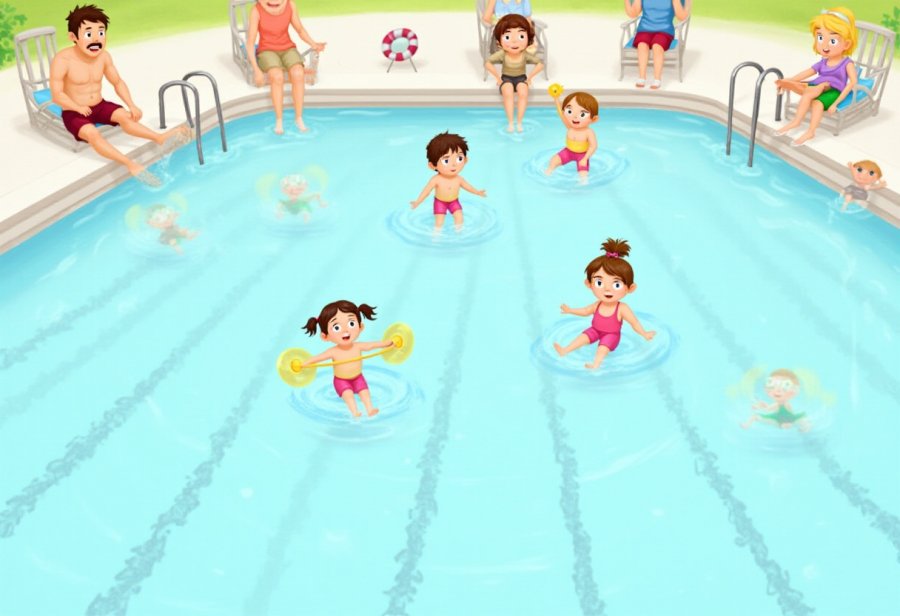
Unlock Water Confidence at Any Age and Transform Fear into Freedom
Learning to swim transcends mastering strokes—it’s a transformative journey from fear to freedom, accessible at any age. How can that initial step—so daunting—ignite confidence and unlock lifelong joy in water? This guide explores the gradual process of building water comfort through small victories, whether floating unaided or swimming unassisted. It emphasizes patience, personalized instruction, and celebrating milestones, transforming water from a source of anxiety into an environment of safety and adventure. Advances in modern teaching methods, from virtual reality to adaptive techniques, make mastering water skills more engaging and inclusive than ever before. The benefits extend beyond safety, fostering physical health, mental resilience, and community connection. As you progress, each milestone—big or small—reinforces your belief in your abilities. So, are you ready to take that first brave step, knowing it can lead to a lifelong relationship with water filled with confidence, joy, and endless possibilities?
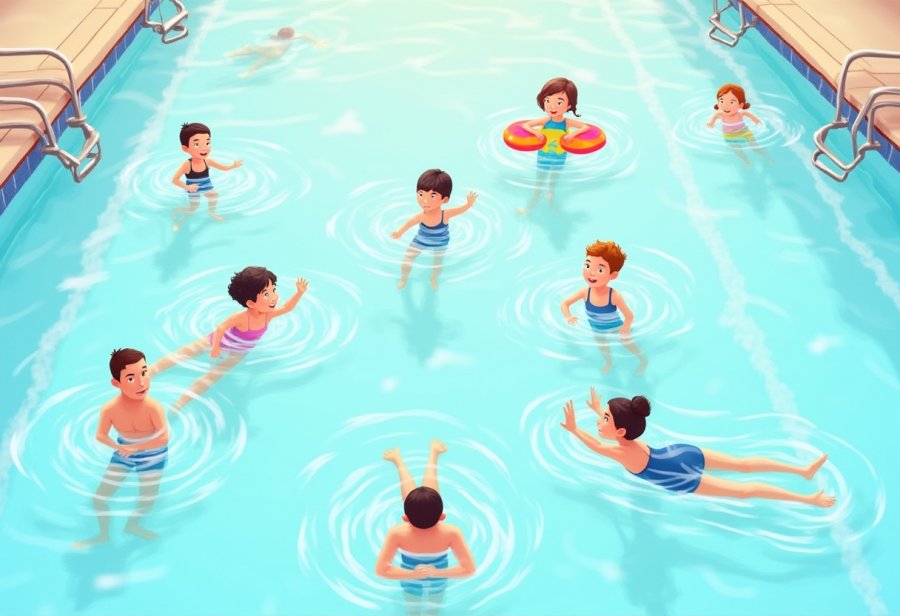
Transform Fear into Confidence: Your Water Journey Begins
Learning to swim isn’t just about mastering strokes or floating; it’s a powerful step toward turning water from a source of fear into a space of confidence and freedom. For many, water can evoke anxiety—whether rooted in childhood memories of vulnerability or adult worries about safety. Taking that initial plunge often feels daunting, but it also marks the beginning of a journey that can reshape how you relate to water at any age.
Starting out, the focus is on small, manageable steps. Becoming comfortable in shallow water, learning to breathe calmly, and trusting your body are fundamental. These early moments lay a foundation of reassurance that makes progressing toward more advanced skills feel less intimidating. As confidence builds through gentle practice, the water transforms from an obstacle into an ally—something to explore rather than fear.
This process isn’t reserved for children or seasoned athletes. Adults and seniors alike can benefit from learning to swim, especially when overcoming mental barriers is involved. The key is patience—recognizing that confidence develops gradually—and celebrating each small victory along the way. Whether it’s floating unaided or taking your first strokes, these milestones reinforce your belief in your abilities and encourage further progress.
Many modern swim lessons emphasize comfort and safety first. Techniques like gradual exposure, positive reinforcement, and personalized instruction help learners feel supported and motivated. This approach minimizes frustration and fosters a love for water, turning initial fears into curiosity and excitement. With consistent effort, even the most anxious swimmers can discover a new sense of independence and joy in the water.
Ultimately, learning to swim at any age is about more than just safety—it’s about unlocking freedom. It opens doors to leisure, adventure, and connection, enriching everyday life. The first step might be the hardest, but it’s also the most rewarding. Once taken, it sets in motion a process of transformation that can lead to a lifelong relationship with water—one filled with confidence, safety, and a newfound sense of possibility.
Building Trust and Mastery: The Foundations of Swimming Confidence
The roots of swimming confidence often begin with early water experiences—whether it’s splashing around in a backyard pool, playing at the beach, or taking beginner lessons as a child. These initial encounters shape how we feel about water, either sparking curiosity or fostering apprehension. When early experiences are positive, they lay a strong foundation of comfort and trust that makes acquiring more advanced skills easier later on. Each small success, like floating or blowing bubbles, reinforces a sense of mastery that helps build lasting confidence.
For many adults and seniors, swimming is a skill learned later in life, often driven by safety concerns or a desire to stay active. Their motivation might stem from childhood memories or a need to feel more secure around water. Learning at this stage usually involves overcoming ingrained fears and developing new skills at a slower, more deliberate pace. Patience and consistent practice are essential, and celebrating small wins—like floating independently or swimming a few strokes—helps sustain motivation and progress.
Recent advances in swim instruction have played a significant role in boosting confidence. Modern techniques focus on personalized approaches that prioritize comfort and gradual exposure. Using tools like video analysis, instructors help learners see their progress and make adjustments with ease. This tailored feedback reduces frustration and fosters a positive learning environment. When learners feel supported and see tangible progress, they’re more likely to stay engaged and eager to improve.
Milestones mark major confidence gains along the way. Floating unaided or swimming across the pool for the first time serve as powerful proof that fears are manageable. Overcoming fears of deep water or mastering new strokes deepens emotional resilience and technical ability. These achievements reinforce the idea that water fears can be conquered, inspiring learners to take the next step with confidence. Each milestone becomes a building block for a stronger belief in their water abilities.
Building confidence in water isn’t just about technical skills; it’s also about how we approach water safety and well-being. Gaining comfort reduces anxiety in unexpected situations, making accidents less likely. Developing these skills supports mental resilience, helping people remain calm and composed in water emergencies. As confidence grows, so does the willingness to explore lakes, beaches, or pools without hesitation, turning water from a source of worry into a space of joy and adventure.
The journey of developing water confidence is gradual and requires patience. Every small step, from floating to swimming longer distances, adds to a sense of independence and mastery. It’s normal to face setbacks—what counts is persistence. Celebrating progress, regardless of size, reinforces a positive mindset that keeps motivation alive. Over time, these efforts transform water from a fearsome obstacle into a lifelong source of fun and freedom.
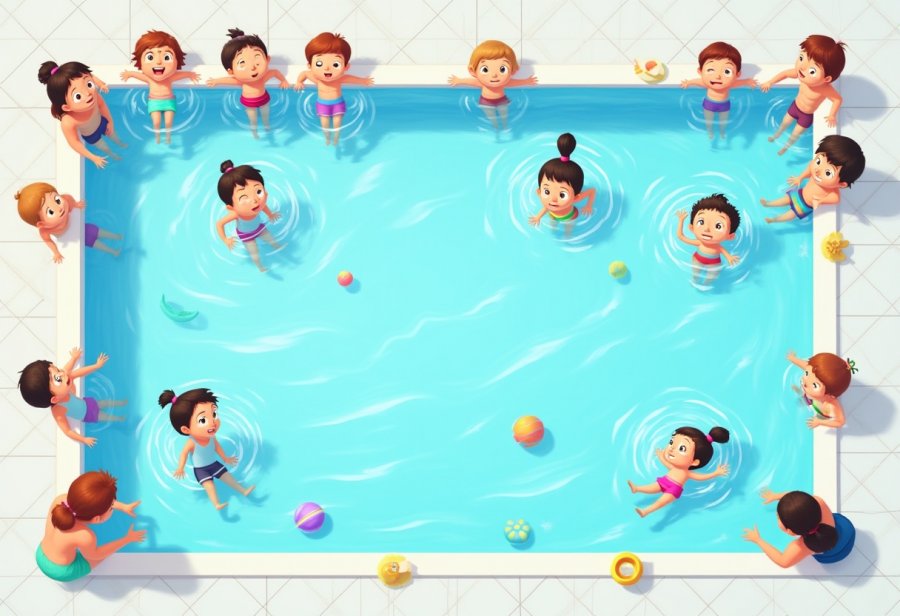
Innovations and Global Perspectives: Navigating Modern Swim Education
The way people learn to swim today has evolved significantly, thanks to technological advances and a better understanding of effective teaching methods. Modern instruction often uses tools like underwater video analysis, allowing learners to see their strokes in real time and identify areas for improvement. Virtual reality is also beginning to play a role, creating immersive environments that help build confidence before learners even dip their toes in the water. These innovations make the process more engaging and tailored to individual needs, helping students progress comfortably at their own pace.
Cultural differences greatly influence how swimming is taught around the world. In coastal regions, water safety and survival skills are often prioritized because water plays a central role in daily life. Countries like Australia and many European nations include swimming lessons as a standard part of school curricula, emphasizing both safety and competitive skills. Meanwhile, some cultures focus more on water-based leisure and social activities, adopting a relaxed approach to gaining water confidence. Despite these variations, all share a goal: empowering individuals to enjoy water safely and confidently.
Recent shifts in teaching philosophy focus on a more personalized, learner-centered approach. Instead of rigid drills, instructors now emphasize gradual exposure, positive reinforcement, and building trust. Techniques like biofeedback devices help students understand their breathing and movements better, making adjustments easier and reducing frustration. Creating a supportive environment where mistakes are seen as part of learning encourages exploration and boosts motivation. This approach makes learning more enjoyable and less intimidating, especially for those with fears or anxieties.
Safety and accessibility standards have also transformed modern swim education. Strict guidelines for water quality, pool maintenance, and lifeguard presence help ensure safe learning environments. There’s a growing emphasis on inclusivity, with programs tailored for people of all ages, backgrounds, and abilities. Adaptive techniques now support those with physical or cognitive challenges, ensuring everyone can develop water skills and participate fully. These efforts not only prevent accidents but also foster a community where water confidence is a shared priority.
The integration of technology continues to shape how swimming is taught. Wearable devices track progress, virtual reality offers immersive practice, and online tutorials provide additional support. These tools help reduce anxiety, improve technique, and make learning more fun. As communities and organizations adopt these advancements, more people will find it easier to learn and maintain water confidence. The landscape of swim education is becoming increasingly inclusive, innovative, and effective, reflecting a commitment to lifelong water safety and enjoyment.
Overall, the modern approach to learning to swim is about making water skills accessible, safe, and enjoyable for everyone. It’s a dynamic blend of tradition and innovation, designed to meet the needs of diverse learners. Whether through high-tech tools or personalized coaching, the goal remains the same: helping individuals overcome fears, build confidence, and discover the joy of water. As this landscape continues to evolve, it promises a future where everyone has the opportunity to experience the freedom and fun that come with being confident in water.
Beyond Skills: Practical Safety and Life-Enriching Benefits of Swimming
Learning to swim extends far beyond mastering strokes or floating; it equips you with essential skills that can make a real difference in emergencies. Knowing how to float, tread water, or safely exit from a pool can be lifesaving when unexpected accidents happen. These skills help prevent panic and reduce the risk of drowning, turning water from a potential danger into a space of safety and control.
Beyond safety, swimming offers versatile health benefits that support long-term well-being. Water’s natural buoyancy reduces stress on joints and muscles, making it accessible for people with injuries or chronic conditions. Regular swimming boosts cardiovascular health, builds strength, and enhances flexibility—all without the impact stress associated with land-based workouts. Developing water skills encourages a healthier, more active lifestyle that can be sustained across all ages.
Water confidence also opens doors to a wide range of recreational activities. Whether enjoying a day at the beach, trying water sports, or simply splashing around with friends, feeling comfortable in water makes these experiences more accessible and fun. Confidence in water fosters independence and encourages exploration, transforming water from a source of worry into an environment of adventure and relaxation.
Building these skills fosters mental resilience and self-reliance. Overcoming fears and mastering practical water skills create a sense of achievement that extends beyond the pool. It encourages a calmer approach to unfamiliar or risky situations, helping you remain composed during unexpected water encounters. This mental toughness reinforces a positive attitude toward water safety and empowers you to handle water-related challenges with confidence.
Safety is a crucial reason to develop water skills, especially for children. Knowing how to navigate water safely reduces panic and the likelihood of accidents. For adults, these skills provide peace of mind, whether in a pool, lake, or ocean. Being prepared and capable means you can enjoy water activities without hesitation, knowing you have the tools to stay safe and respond effectively in emergencies.
Swimming also acts as a practical gateway to a healthier lifestyle. It’s a low-impact exercise that improves overall fitness and can be adapted to suit all abilities. Regular practice not only enhances physical strength and endurance but also nurtures mental health through the calming effects of water. This makes swimming a sustainable, enjoyable activity that enriches daily life and promotes lifelong health.
Finally, water skills foster community and shared responsibility. When more people are confident and knowledgeable about water safety, communities become safer and more inclusive. Programs that teach water safety to all ages build a culture of awareness, reducing accidents and encouraging collective well-being. Developing these skills isn’t just personal—it’s a way to contribute to a safer, more connected world where everyone can enjoy the water confidently and responsibly.
Embrace the Future of Water Confidence: Continuing Your Aquatic Adventure
Learning to swim is more than acquiring technical skills; it’s about cultivating a lasting sense of safety, confidence, and joy in the water. This journey begins with small steps—overcoming fears, building trust in your abilities, and celebrating each milestone along the way. As you progress, these experiences reinforce your capacity to handle water confidently, transforming anxiety into a sense of mastery.
Persistence is key. Confidence doesn’t develop overnight but through consistent effort and patience. Every small victory—whether floating unaided or swimming a few strokes—strengthens your belief in yourself. Even setbacks are part of the process; what matters most is your willingness to keep trying, to learn from each attempt, and to see challenges as opportunities for growth.
Looking ahead, ongoing engagement keeps your water confidence alive. Joining regular classes, practicing independently, or even sharing your knowledge with others can deepen your skills. Setting new goals, like swimming longer distances or exploring different environments, helps maintain motivation and makes the journey rewarding. Every new challenge conquered fuels your sense of independence and adventure.
Technological advances and innovative teaching methods continue to shape how we learn to swim. Virtual reality, wearable trackers, and personalized coaching make skill-building more accessible and enjoyable. Embracing these tools can boost your motivation, reduce anxiety, and enhance your progress, creating a dynamic, engaging learning experience that adapts to your needs.
Remember, this isn’t just about mastering water safety or swimming strokes—it’s about enriching your life through water. Each step you take builds resilience, promotes a healthier lifestyle, and opens doors to new adventures. The confidence you develop today can lead to lifelong enjoyment, whether you’re splashing in a pool, exploring lakes, or feeling at ease in the ocean.
Keep celebrating your progress, no matter how small. Each effort, each new skill, and each moment of calm in the water contributes to a stronger, more confident relationship with water. Your journey is ongoing, and every step forward adds to your sense of independence and joy.
Ultimately, water confidence is a gift that extends beyond the pool. It empowers you to face the unexpected with calm and control, to enjoy water safely and fully, and to share those moments with others. Stay curious, keep practicing, and trust that your dedication will continue to open up a world of water-based freedom and fun for years to come.