Celebrate Childhood Independence Through the Joy of Learning to Ride a Bike
Learning to ride a bike is more than just acquiring a childhood skill; it’s a profound journey of courage, perseverance, and family bonding. As children wobble, fall, and rise, they discover resilience, confidence, and a sense of independence—beginnings that ripple into lifelong adventures. Parents and professionals emphasize patience, positive reinforcement, and creating a safe environment to turn the daunting process into a rewarding experience. But does the fear of falling overshadow the thrill of freedom? With each small victory—balancing longer, pedaling without support—children build trust in themselves and their support system. As they overcome setbacks and embrace new terrains, they learn that persistence and support are key to growth. This milestone isn’t just about riding a bike; it’s about fostering a resilient mindset, nurturing curiosity, and strengthening family ties—lessons that inspire courage long after the bicycles are put away.
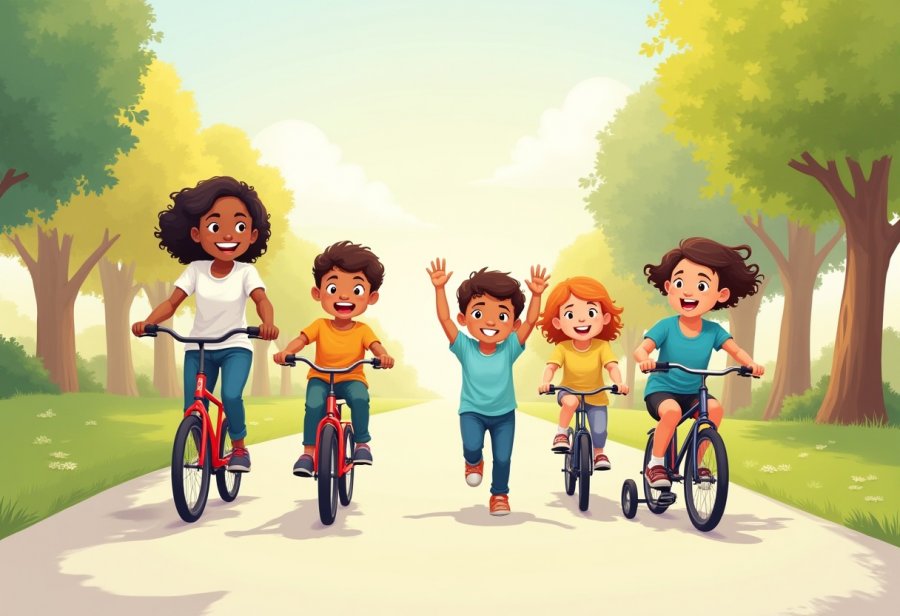
Celebrating the Milestone of Learning to Ride a Bike
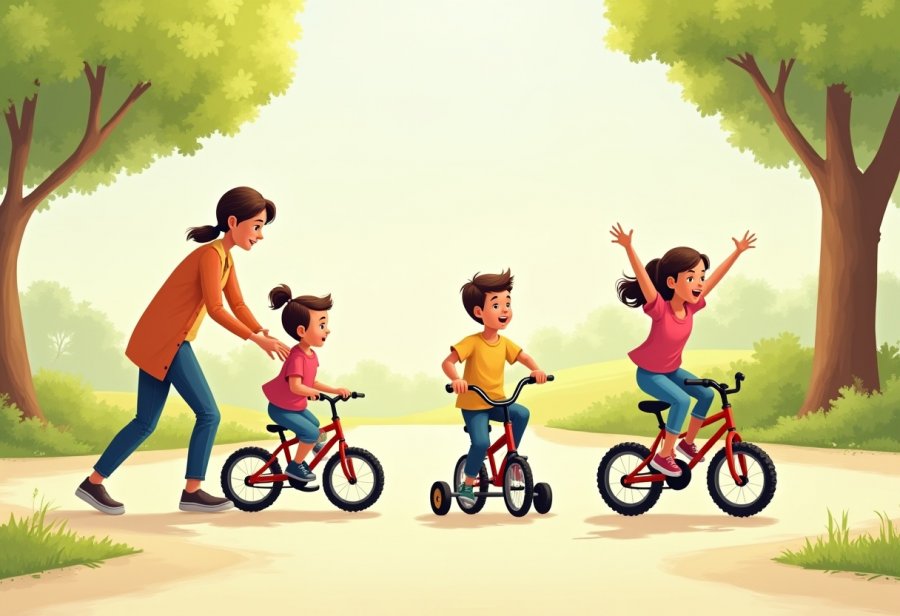
Learning to ride a bike is more than just a childhood skill; it’s a rite of passage that marks a key moment of growth and independence. For many kids, the first time they pedal on their own feels like stepping into a new world—one where curiosity and confidence take center stage. It’s a milestone that stays with families long after the bikes are put away, woven into stories of perseverance and pride.
This journey isn’t just about mastering balance and coordination; it’s about building trust—in themselves and in the support of loved ones. Parents often remember the mix of nerves and excitement that comes with teaching their children to ride. Watching a child wobble, fall, then get back up is a powerful reminder that setbacks are part of learning something truly worthwhile.
Family bonds deepen during these lessons. Teaching a child to ride involves patience, teamwork, and shared joy. Every small victory—whether balancing longer or pedaling without assistance—becomes a collective triumph. These moments of encouragement and celebration foster resilience, teaching kids that persistence and support lead to success.
The act of learning to ride also sparks a sense of adventure. It transforms the simple act of riding into a symbol of freedom and exploration. Children discover that with each wobble or fall, they’re growing stronger and more capable. And as their confidence builds, so does their eagerness to explore new terrains, try different trails, and embrace challenges with courage.
For many families, the process of learning to ride is a cherished memory—one filled with giggles, cheers, and the occasional tumble. It’s a shared experience that reinforces the idea that growth often involves a bit of risk, but always rewards perseverance. These lessons in resilience and patience shape not just skilled cyclists but confident individuals ready to face future challenges.
In the end, learning to ride a bike is about more than the mechanics. It’s about nurturing a spirit of independence, encouraging curiosity, and strengthening family bonds. It’s a moment when children learn they are capable of more than they imagined, and families learn the true meaning of support and shared achievement. This milestone sets the stage for a lifetime of adventures, both on and off the bike.
Navigating the Stages of Learning to Ride
Learning to ride a bike is a gradual process that involves several key stages, each building on the last to boost a child’s confidence and skills. It typically begins with making sure the bike fits properly—adjusting the seat so that their feet can touch the ground comfortably helps children feel more secure and in control from the start. From there, the focus shifts to developing balance through simple exercises like walking the bike forward or gliding on gentle slopes without pedaling. These early steps help children get a feel for staying steady on two wheels, which is the foundation for everything that follows.
Once they’re comfortable balancing, introducing pedaling becomes the next milestone. Demonstrating a smooth, rhythmic push-down motion encourages kids to mimic the action, while gentle support—whether through training wheels or hands-on guidance—makes this transition less daunting. The goal is to gradually reduce support as their skills improve, allowing them to ride independently. Celebrating every small success along the way keeps motivation high and reinforces the idea that growth comes through patience and practice.
Falls and wobbles are a natural part of learning to ride and shouldn’t be seen as setbacks. Kids often wobble or tumble, but with reassurance and calm encouragement, they learn that mistakes are just part of mastering something new. Wearing protective gear like helmets and pads helps them feel safer, making them more willing to try again after a wobble or fall. These moments become valuable lessons in resilience, teaching children that perseverance is key to progress.
Supporting children through this phase involves creating a safe, positive environment. Practice on soft surfaces like grass or quiet streets reduces the fear of injury and allows kids to focus on developing their skills. Starting on gentle slopes or open areas helps them build confidence without feeling overwhelmed. As their abilities grow, they can gradually try more challenging terrains, which further strengthens their resilience and independence.
Every small achievement—whether balancing longer or pedaling without support—boosts their confidence and sense of accomplishment. These milestones teach patience and persistence, showing that consistent effort leads to progress. When children see themselves improving, they develop a genuine eagerness to ride and explore. Supporting their efforts with praise and encouragement transforms cycling from a daunting task into a fun and rewarding adventure, laying the groundwork for future growth and resilience.
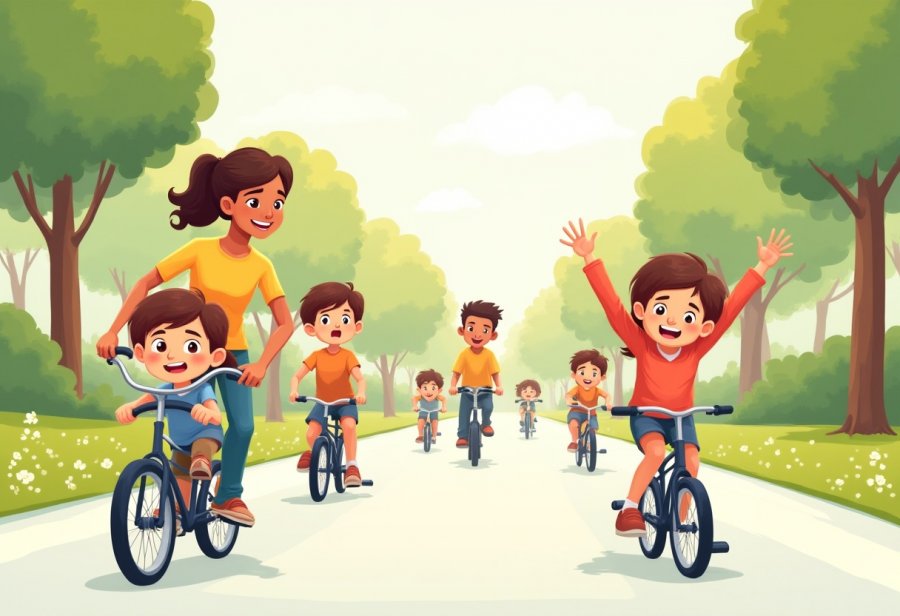
Practical Strategies to Build Confidence and Success
Teaching children to ride a bike successfully relies on straightforward, practical strategies that foster confidence and keep the experience fun. Starting with a well-fitted bike makes a big difference—adjusting the seat so their feet can touch the ground provides a sense of stability and control from the beginning. Once the bike fits properly, balance exercises like walking the bike or gliding on gentle slopes help children get comfortable feeling steady on two wheels, laying the foundation for everything else.
After mastering balance, introducing pedaling becomes the next step. Demonstrating a smooth, rhythmic push-down motion encourages kids to mimic the action. Support, whether through training wheels or gentle hands-on guidance, eases the transition from balancing to active pedaling. The goal is to gradually lessen assistance as their skills improve, nurturing independence and confidence along the way. Celebrating small successes keeps motivation high and reinforces that progress is within reach when patience and persistence are maintained.
Falls and wobbling are natural parts of learning and shouldn’t be viewed as setbacks. Kids often wobble or tumble, but with reassurance and calm encouragement, they learn that mistakes are just stepping stones. Wearing protective gear like helmets and pads boosts their sense of safety, making them more willing to try again after a fall. These moments teach resilience, emphasizing that persistence and a positive attitude are key to overcoming challenges and mastering new skills.
Creating a safe, encouraging environment accelerates learning. Practice on soft surfaces like grass or quiet streets reduces the fear of injury and allows children to focus on developing their skills without distraction. Starting on gentle slopes or open areas helps build confidence without feeling overwhelming. As their abilities grow, they can gradually take on more varied terrains, which further enhances resilience and independence, turning initial wobbling into smooth, confident riding.
Every small milestone—whether balancing longer or pedaling without support—boosts their confidence and sense of achievement. These moments teach patience and persistence, illustrating that consistent effort yields progress. When children see their own improvements, they develop a genuine eagerness to explore and ride more. Supporting their efforts with praise and encouragement transforms cycling from a daunting task into a rewarding adventure that nurtures a growth mindset.
Finally, remember that each child learns at their own pace. Rushing can cause frustration and discourage effort, so focusing on steady, supportive guidance is key. Celebrating every success, no matter how small, helps children see progress as a series of manageable steps. This approach makes learning enjoyable and instills a lifelong love of cycling, resilience, and confidence—lessons that extend well beyond the bike.
Expert Insights: Teaching Kids to Cycle with Patience and Support
Many professionals and seasoned parents agree that patience and positive reinforcement are the cornerstones of teaching kids to ride a bike. Pediatric cycling coaches often emphasize starting with a properly fitted bike, which boosts a child’s confidence and sense of control right from the beginning. Dr. Lisa Johnson, a well-respected pediatric cycling specialist, advocates for a step-by-step approach—beginning with balance exercises before advancing to pedaling and steering. Celebrating even the smallest successes helps keep children motivated and diminishes their fear of falling, turning the learning process into an encouraging journey.
Experienced parents echo these insights, sharing that consistent practice paired with a supportive attitude makes all the difference. They’ve observed that children who are gently encouraged tend to learn faster and develop a genuine love for cycling. Creating a safe, pressure-free environment—free from rushing or unrealistic expectations—helps kids feel more willing to try, even after tumbles or wobbles. This approach nurtures resilience and confidence, teaching kids that setbacks are just part of mastering a new skill.
Research supports this approach, showing that children who receive positive reinforcement and patience tend to progress more quickly and with greater enjoyment. When kids know their family is there cheering them on, they often approach challenges with more courage and persistence. Prioritizing safety gear like helmets and pads not only protects them physically but also builds trust in the process. When children see that their safety is valued, they’re more eager to get back on the bike after a fall, viewing mistakes as part of learning rather than failures.
Experts recommend focusing on small, incremental steps—like balancing longer or pedaling with less support—to build confidence gradually. Encourage children to experience success in manageable doses, celebrating each milestone along the way. This steady progression fosters resilience, patience, and a sense of achievement, transforming what might seem daunting into an exciting adventure. When support and encouragement are consistent, children learn to associate effort with progress, which motivates them to keep pushing forward.
Ultimately, both professional advice and parental experience highlight that patience, positive reinforcement, and creating a safe environment are key. These elements not only accelerate learning but also instill a mindset of perseverance and joy. When children feel supported and celebrated, cycling becomes more than just a skill—it becomes a symbol of growth, resilience, and the confidence to face new challenges with courage.
Celebrating Growth, Encouraging Continued Riding, and Strengthening Family Bonds
Learning to ride a bike marks more than just a childhood milestone; it lays the groundwork for lasting confidence and stronger family bonds. When children master balancing and pedaling, they begin to see themselves as capable explorers ready to embrace new adventures. These moments of achievement often ignite a genuine enthusiasm for other activities, fostering resilience and a growth mindset that benefits them far beyond cycling.
Encouraging kids to keep riding fosters momentum. Regular family outings, exploring local parks, or weekend rides turn cycling from a skill into a joyful routine. These shared experiences not only promote physical activity but also deepen emotional connections, creating treasured memories that strengthen family ties. When children view cycling as an enjoyable part of everyday life, they’re more likely to develop a lifelong love for it, transforming exercise into a positive, shared family habit.
Supporting their ongoing growth involves setting small, achievable goals—like riding a little farther or trying a new trail. Celebrating these milestones reinforces their sense of independence and pride. Parents play a crucial role by offering encouragement, sharing their own enthusiasm, and modeling a positive attitude toward outdoor activities. When kids feel supported and proud of their progress, they become eager to practice more, turning every ride into a source of joy and self-trust.
Remember that setbacks are natural. Every wobble, fall, or hesitation isn’t a failure but part of the learning process. Teaching children to see mistakes as opportunities to learn builds resilience and patience—qualities that serve them well in many areas of life. Ensuring they wear safety gear and practice in safe environments helps them feel secure, making them more willing to try again after a tumble. These experiences teach that perseverance and support lead to success, not perfection.
Creating a fun, supportive environment makes a lasting impact. When families prioritize outdoor play, celebrate progress, and encourage curiosity, they turn learning to ride into a meaningful journey. These lessons in resilience, patience, and confidence stay with children long after their first successful ride, shaping their approach to future challenges and growth.
As children continue to ride and explore, their confidence blossoms, opening doors to new adventures and friendships. Whether tackling a new trail or enjoying a leisurely family ride, these experiences reinforce their independence and resilience. Supporting their journey with patience and enthusiasm helps foster a lifelong love for cycling, encouraging habits of health, curiosity, and family connection that will last a lifetime.