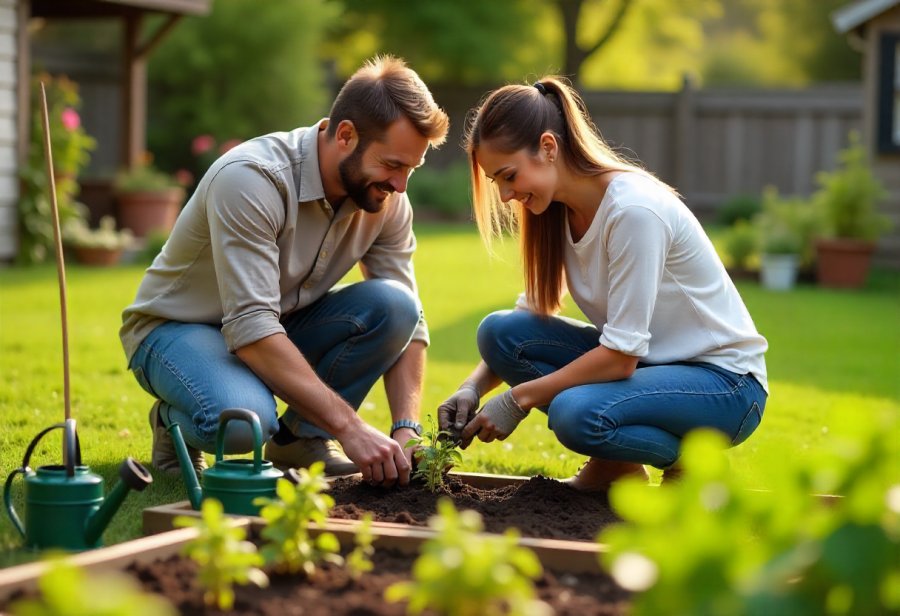
Cultivating Connection and Healing Through Shared Gardening
In an era dominated by screens and instant communication, could the simple act of tending a garden together unlock deeper emotional bonds and foster healing? This compelling exploration reveals how collaborative gardening is more than just cultivating plants—it’s a powerful ritual that nurtures trust, patience, and mutual support. As hands dig into soil and seeds sprout through collective effort, relationships strengthen, and mental well-being blossoms. The tactile, mindful process offers a sanctuary of presence, providing relief from stress and fostering genuine connection. Yet, the journey isn’t without its challenges—physical limitations, environmental hurdles, and unrealistic expectations can complicate this healing practice. So, what if the act of caring for life and each other through gardening could serve as a gentle pathway toward resilience and hope? This inspiring insight reminds us that growth—personal, relational, or emotional—is a gradual process rooted in patience, care, and shared effort.
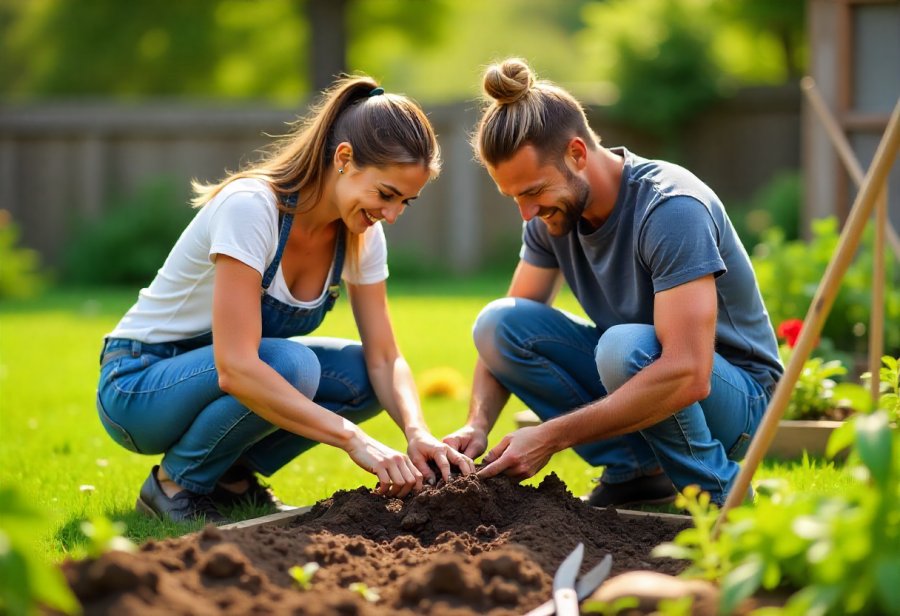
Reconnect and Heal Through Gardening in a Digital Age
In our fast-paced digital world, genuine human connection can sometimes feel like a rare commodity. We’re often glued to screens, scrolling through social media feeds or exchanging quick texts, leaving little room for meaningful interaction. Amid this constant noise, gardening offers a simple yet powerful way to slow down and reconnect with others in a more authentic way.
Working together in the soil encourages presence and patience—qualities that are easy to lose in everyday life. When we plant, water, or weed side by side, we create shared experiences that foster trust and emotional bonds beyond words. These moments of cooperation build a foundation of mutual support that can strengthen relationships in lasting ways.
Gardening isn’t just about tending plants; it’s about cultivating mindfulness. Feeling the texture of soil, observing new shoots emerge, and listening to the sounds of nature help quiet a busy mind. When shared with others, these activities become more than just chores—they transform into opportunities for genuine connection and emotional healing.
Research supports this idea, showing that collaborative gardening can boost mental well-being and deepen bonds. The act of caring for life together reduces stress and increases feelings of happiness. As plants flourish through collective effort, so do the relationships involved, reminding us that growth takes patience, care, and perseverance.
In a world dominated by screens, outdoor gardening provides a much-needed break from virtual interactions. Engaging physically with nature demands focus and presence, creating space for authentic conversations and teamwork. Whether in a backyard or community garden, these shared routines serve as gentle, natural ways to nurture connection and rebuild trust.
Gardening also offers a universal language of patience and nurturing, accessible to people of all backgrounds and ages. It reminds us that meaningful bonds often grow slowly, requiring consistent effort and attention. By tending to a garden together, we tap into this timeless rhythm, fostering resilience and emotional well-being in the process.
Harnessing Gardening’s Therapeutic Power for Emotional Well-being
Gardening has long been recognized for its therapeutic benefits, offering a natural way to ease stress and support emotional well-being. When you get your hands in the dirt, it’s more than just caring for plants—it’s an active, calming practice that shifts focus away from worries and negative thoughts. The tactile sensation of soil, the gentle rhythm of watering, and the nurturing of living things create a soothing experience that can quiet a restless mind and lower anxiety levels.
Sharing these gardening activities amplifies their positive effects. Working together on planting, weeding, or watering encourages teamwork and trust, opening space for honest conversations and emotional sharing. The act of tending to plants side by side transforms a simple chore into a meaningful bonding experience, deepening emotional intimacy and mutual support.
Gardening also promotes mindfulness by anchoring us in the present moment. Feeling the texture of soil, observing the progress of sprouts, and listening to nature’s sounds help disconnect from stress and negative thoughts. This active presence provides a gentle pathway to process emotions and find calm amid daily chaos, making it especially beneficial for those coping with anxiety or emotional wounds.
Research highlights how soil and plant interactions can reduce cortisol levels, the hormone linked to stress, and improve overall mood. Connecting with nature through outdoor activities like gardening correlates with increased happiness and fewer symptoms of depression. When done with others, these effects grow stronger, fostering a sense of community and belonging that’s vital for emotional resilience.
Beyond individual benefits, gardening as a group activity creates a supportive environment for emotional expression. Working side by side, people often share stories, frustrations, and hopes, reinforcing bonds through shared effort. The natural environment and physical act of nurturing plants foster trust and understanding, making gardening a powerful tool for emotional healing and relationship strengthening.
In essence, gardening becomes a metaphor for care—both of the earth and of ourselves. The patience, attention, and perseverance required in tending a garden mirror the qualities needed for emotional growth and recovery. Watching life flourish through collective effort reminds us that healing often takes time, and that gentle, consistent care can lead to lasting change.
By engaging in gardening activities regularly, we incorporate a calming ritual into our routines that supports mental health. Whether it’s a small balcony herb garden or a community plot, these acts of nurturing help cultivate inner peace and emotional stability. Sharing this process with others not only nurtures plants but also fosters a deeper sense of connection and hope.
In the end, the therapeutic power of gardening lies in its ability to reconnect us with ourselves, others, and nature. It offers a simple yet profound way to nurture resilience, find solace, and build meaningful bonds—proving that sometimes, healing begins with a handful of soil and a shared intention to grow.
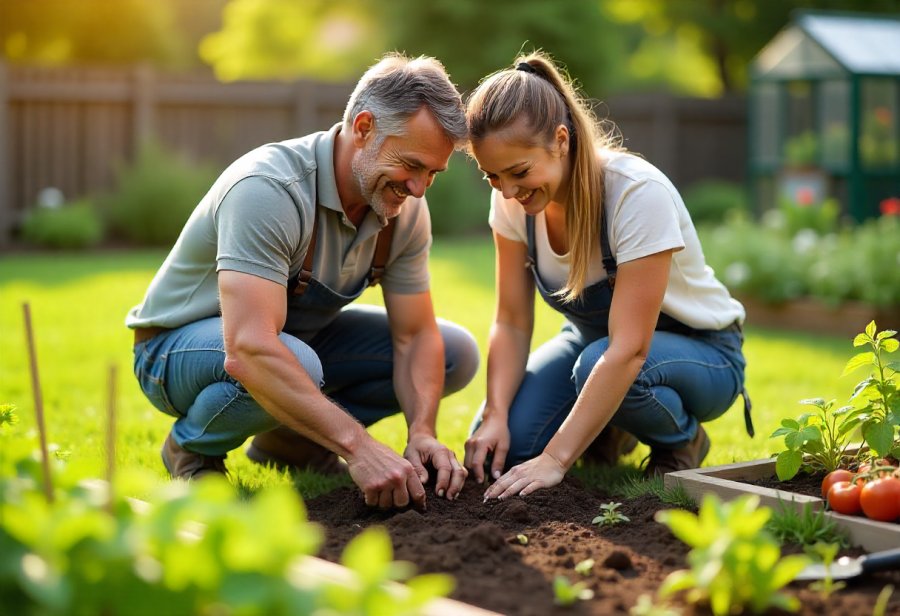
Navigating Challenges and Misconceptions in Gardening for Connection
While gardening offers many benefits for building bonds and fostering healing, it’s not a universal remedy. Physical limitations, health issues, or mobility challenges can make outdoor work difficult or frustrating for some individuals. Assuming everyone can jump into gardening without considering these factors risks creating barriers rather than bridges. Recognizing these limits helps us set realistic expectations and explore alternative ways for connection that accommodate different needs.
Another misconception is that gardening alone can resolve deep-seated emotional or relationship issues. While working outside together can be calming and promote trust, it doesn’t automatically mend long-standing conflicts or mental health struggles. Expecting a few shared planting sessions to fix complex problems oversimplifies the healing process. Gardening can be a helpful part of the journey, but it shouldn’t replace professional support or honest conversations when needed.
Practical obstacles also come into play. Not everyone has access to outdoor space—urban dwellers or those in apartments might find it tough to engage in traditional gardening. Busy schedules, unpredictable weather, and lack of spare time can interfere with maintaining a routine. Without consistent effort, the emotional and relational benefits may diminish, making it harder to rely solely on gardening as a tool for connection or recovery.
Moreover, setbacks in gardening can lead to disappointment. When efforts don’t yield the expected results or plants fail to thrive, it can feel discouraging—sometimes even personal. This frustration risks overshadowing the bonding experience, especially if expectations are unrealistic. Approaching gardening with patience and flexibility helps prevent discouragement and keeps the focus on shared effort rather than perfect outcomes.
Some critics argue that simply tending plants isn’t enough to create meaningful change when underlying issues are complex. Deep-rooted communication problems or trust issues won’t vanish just because people work together in a garden. While gardening can open lines of dialogue and foster trust, it’s not a substitute for direct, honest conversations or professional therapy. Recognizing this helps set appropriate boundaries for what gardening can realistically achieve.
Finally, gardening isn’t suitable for everyone at all times. During periods of high stress or for those facing mental or physical health challenges, the activity might feel overwhelming or unhelpful. It’s important to see gardening as one of many tools for connection and healing, rather than a cure-all. Flexibility and openness to alternative approaches ensure that everyone can find ways to nurture their relationships and well-being in ways that truly support their unique circumstances.
Integrating Gardening into Daily Life and Healing Practices
Gardening can seamlessly weave into daily routines, offering simple yet powerful ways to nurture both well-being and relationships. Spending just a few minutes each morning watering plants or tending to a small herb garden creates consistent opportunities for mindfulness and presence. These small acts become calming rituals that anchor us in the moment, helping reduce stress and foster a sense of stability. Over time, they serve as gentle reminders that growth and healing happen gradually, through steady care and patience.
Community gardens and shared green spaces elevate this experience by transforming gardening into social activities. Working side by side in these environments encourages teamwork, communication, and mutual support. Beyond producing healthy plants, these collective efforts build a sense of belonging and strengthen community ties. Such spaces become more than just places to grow food—they become gathering points that nurture trust and friendship, enriching relationships through shared purpose.
In therapeutic settings, gardening is increasingly recognized as a potent form of healing. Trained professionals incorporate planting, soil work, and nature walks into treatment plans for individuals facing stress, trauma, or anxiety. These structured activities leverage the calming power of nature to create safe spaces for emotional expression and recovery. As people nurture plants and witness their growth, they rebuild confidence and resilience, gaining a sense of purpose that extends beyond the garden.
In a world saturated with screens, outdoor gardening offers a vital break from virtual interactions. Engaging physically with soil and plants demands focus and presence, grounding us in real-world experiences. Sharing these moments with others naturally sparks conversation and teamwork, strengthening bonds without the need for words. Whether tending a balcony herb garden or cultivating a community plot, these tangible acts of care foster genuine connection and remind us of the healing rooted in nature.
Even in limited spaces like balconies or windowsills, gardening can be adapted into daily routines that support emotional health. Growing herbs or flowers in containers requires minimal time but delivers calming, tactile experiences. These small acts of tending to living things provide quick mental resets, helping to lower stress and boost a sense of accomplishment. They also serve as visual symbols of patience and growth, reinforcing the therapeutic benefits of caring for something beyond ourselves.
Inviting others to participate in gardening tasks—planting, weeding, harvesting—creates natural opportunities for dialogue and collaboration. These shared routines deepen understanding and trust, transforming simple acts into meaningful rituals. Over time, they foster stronger emotional bonds and a sense of collective resilience. Regular outdoor activity like gardening not only nurtures plants but also cultivates mental health, connection, and a sense of community, making it a valuable tool for well-being and relationship growth.
Cultivating Bonds and Growth: The Lasting Impact of Shared Gardening
Tending a garden together goes beyond planting and watering; it becomes a powerful act of building trust, patience, and mutual support. As plants grow and flourish through shared effort, so do the bonds between those involved. This process teaches us that real connection requires time and gentle care—qualities that, when practiced in the garden, naturally extend into our relationships and emotional lives.
Watching seeds sprout and develop reminds us that growth, whether personal or relational, unfolds gradually. The patience and perseverance cultivated in tending a garden serve as a metaphor for healing and strengthening bonds. Seeing tangible results from collective effort fosters a renewed sense of hope and purpose, encouraging us to face emotional challenges with resilience and optimism.
Research consistently shows that collaborative gardening boosts mental well-being and deepens emotional connections. Participants report feeling calmer, happier, and more connected to others after working side by side in nature. These shared experiences promote open communication and trust, creating a foundation that can support relationships through life’s ups and downs.
In a world dominated by screens and virtual interactions, outdoor gardening offers a genuine break—an opportunity to reconnect with ourselves, others, and nature. The physical act of caring for plants demands presence and focus, fostering authentic conversations and teamwork that strengthen bonds without the need for words. This simple act of tending a garden becomes a gateway to meaningful connection rooted in shared care.
Gardening also leaves a lasting legacy—one of collective resilience and hope. Green spaces, whether backyard plots or community gardens, serve as symbols of growth and renewal, reminding us that nurturing life can foster compassion and understanding across diverse groups. These moments of shared effort create a ripple effect, enriching communities and deepening social bonds.
The process of nurturing a garden mirrors our own journey of healing. Both require patience, attention, and a willingness to face setbacks. As we witness the slow but steady progress of plants, we learn that emotional wounds need gentle, consistent care too. This shared journey fosters resilience, offering a quiet but profound form of therapy that nurtures both soil and soul.
By embracing gardening as a regular practice, we introduce calming rituals into our routines that support mental health and emotional stability. Whether tending a balcony herb garden or working in a community space, these acts of care help us slow down, reflect, and reconnect. They serve as tangible reminders that growth and healing happen gradually but steadily through patience and love.
Ultimately, tending a garden together reveals a universal truth: caring for others and nurturing life can be transformative. It teaches us to listen, to support, and to nurture with patience. These shared moments of effort remind us that even in a digital age, genuine bonds flourish when rooted in care, presence, and a willingness to grow together.