Mastering Calm Dog Walks for a Peaceful Bond
Discover how mastering calm walks with your dog can profoundly transform your bond—turning routine outings into shared moments of trust and connection. This guide reveals that calm walking isn’t just about obedience; it’s about fostering emotional security, reducing stress, and building mutual respect. But how do you navigate the challenges posed by distractions or environmental hazards while maintaining patience and confidence? Through science-backed, compassionate training techniques, you’ll learn to read your dog’s signals, reinforce positive behaviors, and gradually introduce more stimulating environments. The journey involves understanding canine psychology, investing in quality gear, and establishing routine routines that promote consistency. Are you ready to turn everyday walks into peaceful, bonding experiences that strengthen your relationship? With patience, practice, and the right approach, even reactive or anxious dogs can learn to walk calmly at your side—making every step a step toward deeper trust and mutual joy.
Lay the Foundation for a Peaceful Bond Through Calm Dog Walking
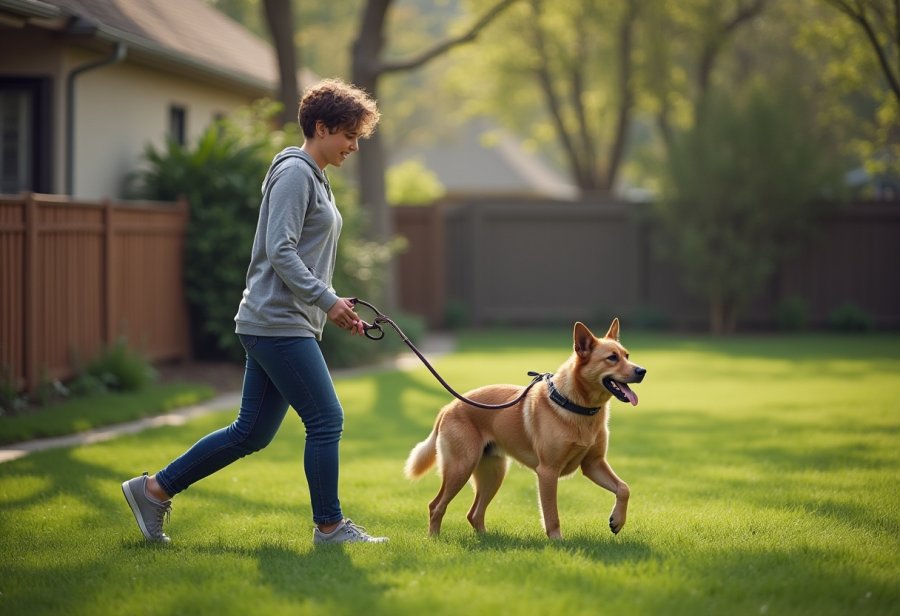
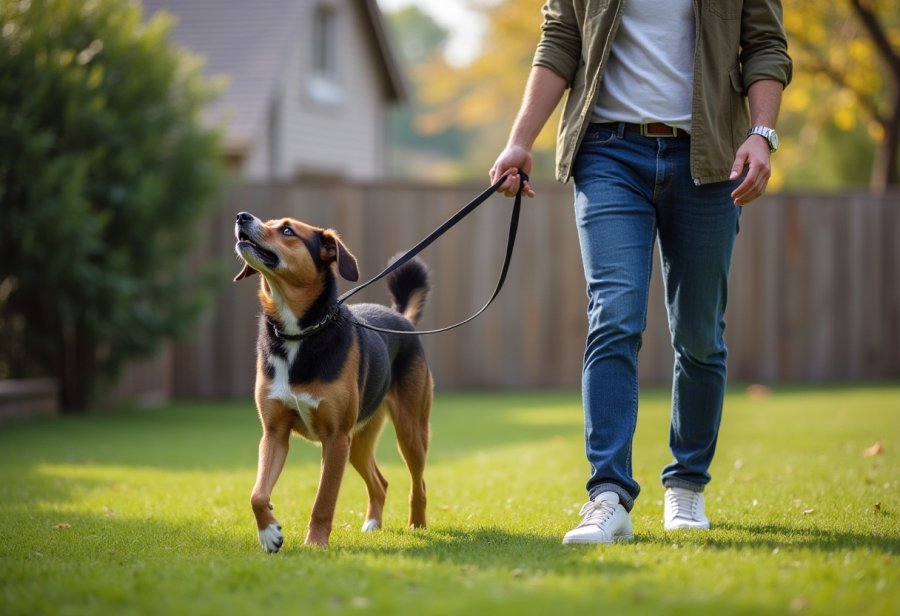
Walking calmly with your dog isn’t just about good manners—it sets the foundation for a trusting and enjoyable relationship. When your dog learns to stay relaxed and focused during walks, what begins as a simple activity turns into a shared experience of connection and mutual respect. Calm outings reduce stress for both of you and create a predictable routine that strengthens your bond.
Mastering this skill is about teaching your dog self-control and patience. When they walk at your side without pulling or getting distracted, they’re showing trust in your leadership. This trust improves communication and helps prevent common issues like lunging or barking, making every walk more pleasant and less stressful.
A calm walk isn’t just about obedience; it’s about nurturing a partnership. When your dog learns to stay attentive and relaxed, they feel more secure and confident. This emotional security encourages better listening and cooperation, transforming chaotic moments into peaceful shared experiences.
Achieving this calm requires patience and consistency. It’s a gradual process that involves positive reinforcement, clear commands, and gentle handling. When practiced regularly, these routines become familiar and comforting, turning everyday walks into opportunities for bonding rather than battles for control.
A peaceful walk also creates a safer environment. When your dog is relaxed and focused, they’re less likely to pull toward hazards or become overwhelmed by their surroundings. This reduces the risk of accidents and makes outings more enjoyable, setting the stage for exploration and connection without chaos.
Far from being just about discipline, calm walking builds trust and mutual respect. When your dog walks calmly, they sense your leadership and feel more secure. In turn, your walks become moments of shared patience and trust, enriching your lives together and making each outing a positive and rewarding experience.
Uncover the Core Principles That Drive Calm and Focused Walks
Calm dog walking is rooted in understanding what influences your dog’s behavior and emotional state. The goal is to teach your dog to manage excitement and impulses while staying focused. When a dog feels anxious or overstimulated, staying relaxed becomes much harder. Positive reinforcement helps them associate calmness with rewards, gradually rewiring their responses to stimuli. Building trust and a sense of security is key, because dogs that feel safe are more likely to remain composed during walks.
Modern training methods have shifted away from older dominance-based approaches toward compassionate, science-backed techniques. Instead of corrections that can create fear or resistance, reward-based strategies like clicker training and gentle handling foster trust and cooperation. These tools make it easier to communicate calmly and clearly, encouraging your dog to develop peaceful walking habits.
Rewards form the foundation of effective calm walking. When your dog receives treats or praise for walking politely at your side, they begin to connect calm behavior with positive outcomes. This reduces pulling and distractions, creating a trusting environment where your dog is motivated to stay focused. Over time, relaxation becomes their default response, making peaceful walks more consistent.
Understanding canine psychology deepens your insight into their reactions. Dogs respond strongly to emotional cues and their environment based on feelings of safety and trust. Recognizing early signs of overstimulation—like tense body language or panting—allows you to intervene with redirection or reassurance. This emotional foundation makes training sustainable and helps your dog feel confident during outings.
Building a calm walking routine involves small, consistent steps. Establish familiar cues and practice in low-distraction settings to build your dog’s confidence. As progress is made, gradually introduce busier environments, rewarding calm, attentive responses. Patience and routine turn these efforts into lasting habits that strengthen your bond and make every walk a peaceful, enjoyable experience.
Deep Dive: Proven Techniques for Achieving Tranquil Outings
Achieving calm walks with your dog relies on consistent techniques and regular practice. Reward-based methods are especially effective—praising or treating your dog whenever they walk calmly at your side helps reinforce that behavior. Using a loose leash and clear commands like “heel” or “focus” keeps your dog attentive and less likely to pull. Focus exercises, such as eye contact or recall drills, strengthen your dog’s concentration and reduce impulsiveness, paving the way for more relaxed outings.
Understanding your dog’s natural tendencies is key. Pulling often stems from eagerness to explore, while distractions like sights and sounds can easily break their focus. Recognizing these triggers allows you to respond with patience, redirecting attention and rewarding calm reactions. Gradually increasing the difficulty level—adding mild distractions or moving to busier environments—helps your dog learn to stay focused even in more stimulating settings.
Gentle, consistent training techniques foster trust and cooperation. Clicker training is particularly useful for creating clear associations between calm behaviors and positive outcomes. Tools like front-clip harnesses can make handling easier, especially in challenging situations. Harsh corrections tend to damage trust and escalate anxiety, so patience and positive reinforcement should always be your go-to approach. Over time, these methods help your dog understand what’s expected and feel confident in their ability to succeed.
A strong understanding of canine psychology enhances your training efforts. Dogs are highly responsive to emotional cues and their environment. Early recognition of overstimulation—such as stiff body language or heavy panting—allows you to intervene with redirection or reassurance. Creating a calm, emotionally secure environment makes it easier for your dog to relax and stay focused, turning training into a sustainable, positive experience.
Building a routine of small, steady steps ensures lasting progress. Establish consistent cues and handle your dog in familiar settings to build their confidence. As they gain trust, gradually introduce more distractions, always rewarding calm, attentive responses. Ending each walk on a positive note reinforces good behavior, making peaceful, bonding outings a natural part of your daily life. Patience and routine turn these small efforts into a foundation for lifelong calmness and connection.
Real-World Success Stories Transforming Walks Into Calm Connections
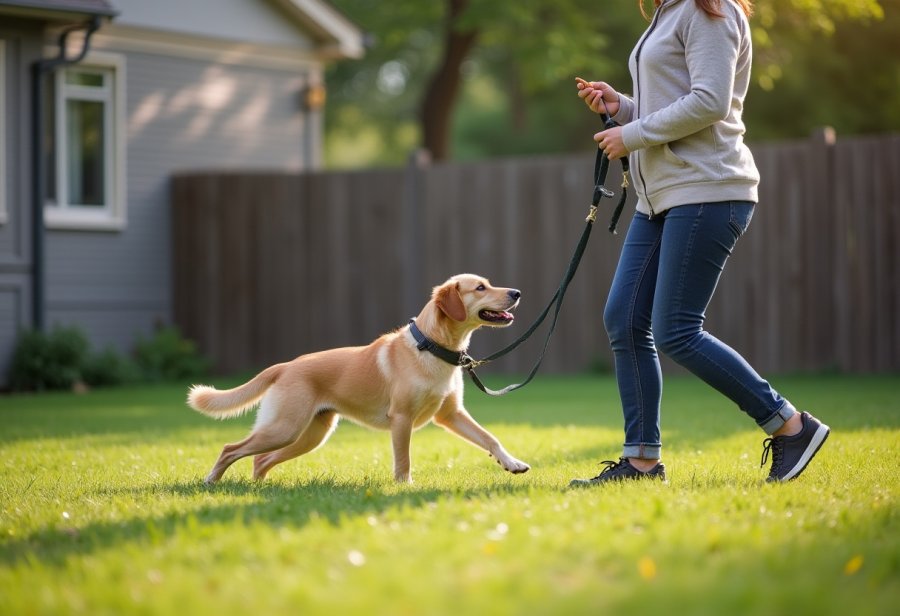
Putting calm walking techniques into everyday practice becomes clearer with real-world examples. Imagine starting your walk in a quiet neighborhood park, where distractions are minimal. You begin with short sessions, rewarding your dog whenever they walk calmly beside you without pulling or lunging. If they get distracted by a squirrel or barking dog, gently redirect their attention with a cue like “focus,” then praise when they respond. Consistency in these small steps helps your dog understand what’s expected and gradually builds good habits.
Take Max, a Labrador who used to pull constantly. His owner started practicing in calm environments, rewarding Max with treats each time he stayed at heel. Over a few weeks, Max’s focus improved, and he became more relaxed even in busier places. Luna, a Border Collie prone to anxiety, benefited from focus exercises, earning praise for making eye contact despite the noise. Slowly, her walks transformed from stressful to peaceful moments of connection.
Incorporating these techniques doesn’t require fancy gear or hours of training. It’s about making small, regular efforts—short walks, clear commands, and lots of praise. Begin with familiar routes, then gradually introduce more distractions as your dog gains confidence. Keep treats handy and stay patient. These real-world examples show that with persistence, calm walks can become a natural, enjoyable part of your daily routine.
Using cues like “look at me” or “stay” helps your dog learn to focus amid temptations. When they pull or get distracted, stop walking calmly until they refocus, then reward their attention before moving forward. Over time, they’ll understand that staying calm and attentive leads to more praise and treats, smoothing future outings.
Some issues, like pulling or barking, often stem from overstimulation or excitement. When this happens, shorten the walk or move to a quieter spot to help your dog settle. Practice patience and gently redirect instead of correcting harshly. These small adjustments build your dog’s confidence and teach them that calm behavior brings rewards, making walks more peaceful.
Remember, progress takes time. Celebrate small wins—like your dog walking a few steps without pulling or responding calmly to cues. Keep training sessions positive, brief, and consistent. As your dog improves, walks will shift from managing chaos to fostering bonding and mutual respect, turning everyday outings into moments of shared success and calm connection.
Investing Wisely: Navigating Costs for Equipment and Training Support
Training a dog to walk calmly isn’t just about techniques and patience; it also involves some financial planning. The costs can add up quickly, especially when investing in the right equipment. Basic items like sturdy leashes, comfortable harnesses, and treat pouches are essential tools, and their prices vary depending on quality. Choosing durable, well-made gear often pays off, as it lasts longer and makes walks more comfortable for both you and your dog.
Beyond equipment, professional training classes or hiring a trainer can speed up progress. While these services come with an upfront cost, they often lead to quicker, more reliable results. Group classes or private sessions provide tailored advice that’s hard to replicate on your own. Treats, clickers, and focus toys are ongoing expenses that reinforce good behavior, so budgeting for these supplies helps maintain consistency and effectiveness in training.
Modern tools like smart collars or behavior-tracking apps are becoming more popular. They can be expensive initially but offer valuable insights and real-time feedback. These gadgets are especially helpful for managing reactive or anxious dogs, helping you monitor stress levels and stay focused during walks. Although optional, they can make troubleshooting and maintaining calm routines easier over time.
It’s worth noting that investing in quality gear and professional support often saves money in the long run. Better equipment and expert guidance reduce frustration and retraining time, making your efforts more efficient. Plus, peaceful walks foster a stronger bond, which is priceless. Planning your budget carefully ensures you can support your training journey without stress, turning everyday walks into shared moments of calm and connection.
Balancing affordability with quality is key. Not every budget allows for top-of-the-line gear, but selecting reliable, well-reviewed products makes a big difference. Prioritize safety and comfort, and avoid cutting corners that could compromise your dog’s well-being or your progress. Remember, the goal is to create a peaceful, bonding routine—costs are an investment in that shared harmony.
Finally, ongoing maintenance should be part of your plan. Replacing worn-out collars, treats, or training aids is a normal part of responsible pet ownership. These small expenses help solidify good habits and keep routines predictable. Over time, these investments contribute to a calmer, more focused dog, making each walk a more enjoyable and bonding experience for both of you.
Strategic Steps to Implement Consistent, Peaceful Walking Routines
To effectively implement a calm walking routine, start by setting clear, achievable goals focused on specific behaviors like reducing pulling or increasing your dog’s attention. Knowing what you want to accomplish helps you stay consistent and measure progress along the way. Choose a regular time and familiar route for your walks, as routine helps your dog understand what to expect and builds confidence. Beginning in quiet, low-distraction areas makes it easier for your dog to succeed and develop good habits.
Before each walk, review your cues such as “heel” or “focus,” and ensure your equipment is comfortable and secure. Consistency in commands helps your dog recognize what’s expected, making training more straightforward. During the walk, reward calm behaviors with treats or praise whenever your dog walks at your side or responds correctly. If pulling or distraction occur, pause calmly until your dog refocuses, then reinforce the behavior before moving forward. This approach teaches patience and attentiveness without creating frustration.
Patience is key—keep training sessions short, positive, and regular. As your dog gains confidence, gradually increase difficulty by adding mild distractions or choosing busier environments. Always reward calm, focused responses to reinforce good habits. Ending each walk positively helps your dog associate the routine with success, making peaceful outings a natural part of your daily life.
Building consistency extends beyond the walk itself. Practice cues and handling techniques in different settings to strengthen your dog’s understanding and confidence. Incorporate these routines daily, and over time, calm walking will become second nature. Regular reinforcement and patience turn small efforts into lasting habits that deepen your bond and create a peaceful, enjoyable walking experience for both of you.
Navigating Challenges and Ensuring Safety on Your Calm Walking Journey
Walking calmly with your dog can be challenging when environmental distractions take center stage. Other dogs, wildlife, or sudden loud noises can easily divert your dog’s attention, causing pulls or reactive behaviors that escalate quickly. These moments can be stressful and even risky if not handled with care. Recognizing the triggers early—like a barking dog or a moving vehicle—helps you choose quieter routes or times of day, reducing the chances of overwhelming your dog and making walks safer and more enjoyable.
Safety concerns also come into play in busy or uneven areas. Fast-moving traffic, debris, or unstable footing can lead to accidents if your dog pulls suddenly or becomes startled. A well-fitting harness provides better control, but staying alert to potential hazards is crucial. Overexcitement or anxiety can cause your dog to lunge or bolt, increasing the risk of injury. Watching for signs of stress—such as stiff body language or rapid panting—allows you to respond before situations spiral out of control.
Behavioral issues like fear or aggression add another layer of complexity. Overly anxious dogs might try to escape or react aggressively, which can threaten both their safety and others’. Gradual exposure to new environments, paired with positive reinforcement, can help build confidence. Patience is key—forcing a dog into overstimulating situations can do more harm than good. Sometimes, sticking to familiar, calm spaces is the safest way to foster trust and reduce stress.
Physical health and limitations must also be considered. Overexertion, extreme heat, or cold can turn a peaceful walk into a health emergency. Monitoring your dog’s condition, providing water, and knowing their limits help prevent fatigue or heatstroke. This awareness is especially vital for senior dogs or those with health issues, ensuring that calm walks remain safe and pleasant.
When unexpected issues occur, a calm, confident response is essential. If your dog pulls or reacts wildly, pause gently and redirect their attention with cues like “focus” or “sit.” Harsh corrections can increase anxiety and resistance, so focusing on redirection and positive reinforcement keeps the atmosphere supportive. Being prepared and adaptable ensures your walks stay safe, peaceful, and a true bonding experience.