Transform Your Yard Into a Sustainable Outdoor Retreat
Transforming Toronto yards into stunning outdoor retreats involves more than simple planting; it’s about creating resilient, eco-friendly spaces that elevate daily living and reflect personal style. How can homeowners balance beauty, sustainability, and practicality across Toronto’s distinct seasons? This guide reveals how native plants, water-smart features, and durable materials form the foundation of successful landscapes, seamlessly blending aesthetic appeal with environmental responsibility. From innovative design principles to precise installation practices, every detail is aligned to ensure long-lasting beauty and minimal maintenance. Future-focused strategies—like smart irrigation, green walls, and rain harvesting—promise even greater efficiency and customization. But the real question remains: how can we continuously push boundaries and embrace new eco-technologies to craft outdoor spaces that are as inspiring as they are sustainable? The journey toward greener, more captivating yards is ongoing, driven by innovation, community collaboration, and a shared commitment to harmonious living with nature.
Transforming Toronto Yards into Year-Round Outdoor Retreats
Transforming Toronto yards into beautiful outdoor retreats is about more than just planting a few flowers or laying down stones. It’s about creating a space that elevates daily life, reflects personal style, and respects the environment. In a city like Toronto, with its four distinct seasons and dense urban landscape, designing a yard that’s both attractive and sustainable presents a unique challenge—and an exciting opportunity. The goal is to craft outdoor spaces that are inviting, practical, and eco-friendly—places where homeowners can relax, entertain, and connect with nature all year round.
Toronto’s climate plays a big role in shaping landscape choices. The city experiences hot summers, cold winters, and everything in between, which means your yard’s plants and features need to be resilient and adaptable. Native trees, shrubs, and perennials are well-suited to this environment; they require less water, fewer fertilizers, and fewer pesticides, all while supporting local ecosystems. Even in limited spaces, creativity thrives—vertical gardens, multi-purpose patios, and water-smart features help maximize every inch, turning small yards into lush retreats.
A successful outdoor transformation balances beauty with functionality. It’s about designing spaces that serve your lifestyle—whether that’s a cozy nook for family gatherings or a peaceful corner for solitude. Thoughtful zoning creates areas for relaxing, entertaining, or gardening, and seamless flow between these zones invites more outdoor enjoyment. When a yard combines visual appeal with practical use, it becomes a natural extension of your home and daily routine.
Sustainability is woven into every element of good landscape design. Native plants are a smart choice—they’re adapted to Toronto’s soil and climate, which means less watering and fewer chemicals. Features like rain gardens and permeable paving help manage stormwater naturally, reducing runoff and erosion. Using locally sourced, durable materials not only supports the local economy but also ensures your landscape can withstand Toronto’s weather extremes, reducing maintenance costs over time.
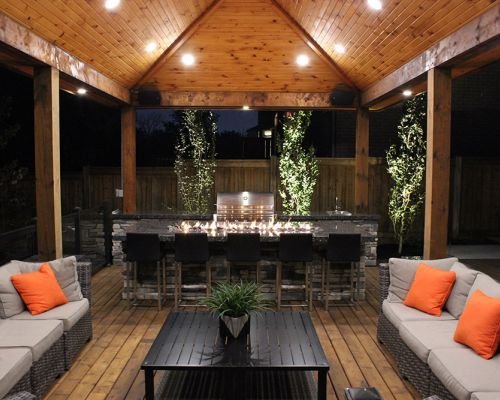
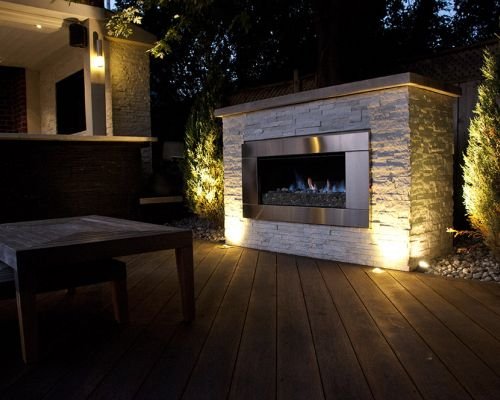
Innovative features can elevate a yard from ordinary to extraordinary. Modern fire pits create cozy gathering spots, water features add visual interest and tranquility, and smart lighting extends usability into the evening. Vertical gardens and green walls make the most of limited space, adding lush greenery and texture. These touches blend practicality with visual appeal, turning outdoor spaces into personalized retreats that are both beautiful and functional.
Designing and transforming a yard in Toronto involves careful planning and a clear vision. Understanding the site’s unique features, listening to your goals, and choosing native plants and eco-friendly features set the foundation. Skilled installation and open communication between homeowners, designers, and contractors ensure your ideas come to life seamlessly. When every detail—from soil preparation to feature placement—is thoughtfully addressed, the result is a landscape that’s resilient, beautiful, and built to last, ready to serve your needs for years to come.
Core Principles: Balancing Beauty with Sustainability in Landscaping
Balancing beauty and sustainability in landscape design starts with understanding some core principles that guide responsible landscaping. Native plants are at the heart of this approach. They are naturally adapted to Toronto’s soil and climate, making them resilient, low-maintenance, and environmentally friendly choices. By selecting native species, homeowners support local ecosystems, reduce the need for watering, fertilizers, and pesticides, and create landscapes that thrive with minimal intervention.
Water efficiency is another crucial principle. Incorporating features like rain gardens, permeable paving, and drip irrigation systems helps manage stormwater naturally. These solutions reduce runoff, prevent erosion, and conserve water, all while adding visual interest and practicality to the yard. Working with nature rather than against it results in landscapes that are more resilient and easier to care for over the long term.
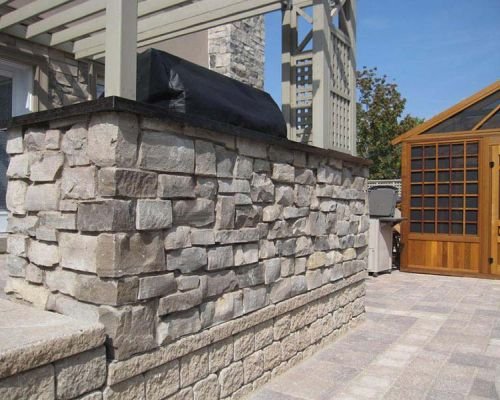
Choosing durable, locally sourced materials further supports sustainability. Natural stone, recycled wood, and permeable pavers are designed to withstand Toronto’s weather extremes. Supporting local suppliers reduces transportation emissions and ensures materials are well-suited to the environment. This not only prolongs the lifespan of landscape features but also minimizes environmental impact, making the entire process more eco-conscious.
Designing with functionality enhances both the aesthetic and practical appeal of outdoor spaces. Multi-purpose zones—like patios that serve as dining areas, fire pits for gathering, or vegetable gardens—maximize limited space and encourage outdoor living. Thoughtfully organized zones create flow and harmony, making the yard inviting and easy to navigate. When beauty and utility align, the space becomes a natural extension of daily life.
Layering different plant textures, heights, and colors adds depth and visual interest without clutter. Focal points such as water features or sculptures help anchor the design and guide movement throughout the yard. Whether through symmetry or asymmetry, intentional composition creates a balanced, engaging environment that feels both structured and lively. This harmony invites residents and visitors to linger and explore.
Sustainability should be integrated into every stage, from initial planning to ongoing maintenance. Selecting native plants suited to Toronto’s environment reduces resource needs and supports biodiversity. Incorporating eco-friendly materials and installation techniques, like recycled stone or sustainable wood, lowers your landscape’s carbon footprint. Features such as solar lighting or rainwater harvesting further enhance energy efficiency and water conservation, making the landscape both beautiful and environmentally responsible.
A truly sustainable landscape evolves with its environment and meets the changing needs of its owners. Regular care—pruning, mulching, and seasonal adjustments—keeps plants healthy and the yard vibrant. Embracing innovative technologies, like smart irrigation or solar-powered lights, can optimize resource use and ease upkeep. Staying open to new ideas and adapting to future conditions ensures the landscape remains resilient, functional, and beautiful for years to come.
Bringing Sustainable Landscapes to Life: Practical Implementation Strategies
Turning landscape design ideas into a beautiful, functional outdoor space in Toronto begins with careful planning and a clear vision. It’s essential to understand the unique features of your site, from soil conditions to sunlight exposure, and to listen closely to your goals. Selecting native plants suited to Toronto’s climate ensures your yard will be resilient and low-maintenance, setting a strong foundation for everything that follows. A thoughtful plan helps prevent costly mistakes and aligns your landscape with both aesthetic desires and environmental principles.
Once you have a solid plan, the focus shifts to precise installation. This is where your vision takes physical shape. Native plants are carefully chosen and thoughtfully placed to thrive in their environment, creating a lush, sustainable backdrop. Organizing your yard into zones—such as cozy seating areas, fire pits, or vegetable patches—maximizes space and enhances usability. Incorporating eco-friendly features like permeable pavers and rain gardens not only looks good but also manages stormwater naturally, reducing runoff and erosion.
Effective collaboration with skilled professionals is key during this phase. Open communication between designers, contractors, and homeowners ensures everyone stays aligned on material choices, timelines, and budgets. Regular site inspections and updates help catch issues early, keeping the project on track. This teamwork transforms your ideas into a seamless, high-quality result, making the process more efficient and less stressful.
Attention to detail during installation can make a lasting difference. Proper soil preparation, strategic placement of plants, and careful installation of features ensure your landscape’s durability and resilience. For example, planting native species in well-drained soil and positioning water features for natural flow reduce future maintenance needs. These small but significant steps promote a landscape that performs well over time, requiring less ongoing effort and expense.
Sustainable practices should be integrated at every stage. Using recycled or locally sourced materials, such as natural stone or sustainable wood, minimizes environmental impact and supports local economies. Installing smart irrigation systems that respond to weather conditions conserves water and cuts costs, while solar-powered lighting adds ambiance and energy efficiency. These choices make your outdoor retreat not only beautiful but also eco-conscious and cost-effective in the long run.
As your project nears completion, a thorough review ensures everything aligns with your initial vision. Checking plant health, functionality of features, and overall aesthetic helps identify any adjustments needed. Small tweaks or finishing touches can elevate your yard’s beauty and usability, ensuring it feels cohesive and inviting. A well-executed installation results in a landscape that’s both stunning and practical—designed to enhance your lifestyle for years ahead.
Transforming a yard from concept to reality involves more than technical skill; it’s about creating a space that feels natural, balanced, and sustainable. Every decision, from plant selection to material choice, should work together harmoniously. Managing each phase with care—planning, installation, collaboration, and review—turns your landscape ideas into a vibrant outdoor retreat. The result is a space that’s resilient, easy to maintain, and perfectly suited to Toronto’s climate and your personal needs.
Future of Outdoor Retreats: Embracing Innovation and Ecological Responsibility
Creating stunning outdoor retreats in Toronto isn’t just a one-time project; it’s an ongoing journey that combines aesthetic appeal with a deep respect for the environment. The principles of using native plants, sustainable materials, and innovative features set the foundation for landscapes that are both beautiful and resilient. But landscape design is a constantly evolving field, and staying ahead means embracing new techniques, technologies, and ideas that challenge traditional boundaries.
Looking forward, advancements in eco-friendly technology open exciting possibilities for homeowners and designers alike. Smart irrigation systems, solar lighting, and rainwater harvesting are becoming more accessible, making it easier to maintain gorgeous landscapes while reducing ecological footprints. Green walls, edible gardens, and integrated water features are also gaining popularity, offering multifunctional spaces that blend beauty with practicality. These innovations allow for more personalized, efficient outdoor retreats that require less effort to sustain.
Encouraging a mindset of curiosity and openness to innovation is essential for shaping the future of outdoor spaces. The more we explore sustainable practices and incorporate them into everyday life, the more these landscapes will thrive. Sharing ideas, success stories, and best practices within the local community can accelerate this progress, inspiring others to adopt greener, smarter landscaping solutions. Collaboration among homeowners, landscape professionals, and environmental organizations fuels this movement, creating a ripple effect of positive change.
Personalization will continue to be at the heart of landscape design. Every yard reflects its owner’s lifestyle, preferences, and the unique conditions of its environment. From custom native plant mixes to smart features that adapt to weather patterns, the goal is to craft outdoor spaces that feel effortless and natural, yet are highly functional. As technology advances, these tailored solutions will become more intuitive, helping homeowners enjoy their outdoor retreats with less effort and more impact.
Education and awareness play a vital role in this ongoing evolution. As people understand the benefits of eco-friendly landscaping—such as conserving water, supporting biodiversity, and enhancing climate resilience—they’re more motivated to make sustainable choices. Workshops, online tutorials, and local events can inspire homeowners to experiment with new ideas, making green practices more accessible and mainstream. Each successful project adds momentum to a broader movement toward healthier, more vibrant outdoor spaces across Toronto.
Ultimately, the future of outdoor retreat design in Toronto hinges on harmony—balancing beauty, functionality, and ecological responsibility. Every project sets a precedent, encouraging others to explore innovative approaches and push boundaries. By remaining committed to responsible design and embracing change, we can transform every yard into a space that not only captivates visitors but also contributes positively to the environment. The journey is ongoing, filled with endless possibilities driven by shared values and aspirations.
As we look ahead, the key is to stay curious, adaptable, and collaborative. Each landscape we create today helps pave the way for more resilient, inspiring outdoor spaces tomorrow. By integrating new technologies, sustainable practices, and personal touches, homeowners and designers can craft retreats that are not only beautiful but also serve as models for environmental stewardship. This continuous cycle of innovation and learning will ensure Toronto’s yards remain vibrant, functional, and aligned with the city’s ecological future.