Revolutionize Business Communication with Customizable Telephony Solutions
In an era where seamless communication defines competitive advantage, how can customizable telephony solutions revolutionize your network’s efficiency? Grandstream’s innovative devices are transforming traditional business communications by offering flexible, easy-to-manage IP phones and unified systems that adapt effortlessly to any organization’s needs. These solutions leverage advanced cloud-based management, enabling remote configuration and monitoring, drastically reducing deployment time and errors. With features like programmable keys, personalized interfaces, and robust network security, Grandstream empowers teams to respond faster, collaborate more effectively, and deliver superior customer experiences. Yet, the true game-changer lies in how these cutting-edge tools support scalable growth—from small offices to large, distributed networks—without costly hardware overhauls. As technology continues to evolve with AI, 5G, and integrated collaboration, can your business stay ahead by embracing these future-ready telephony innovations? Grandstream’s offerings promise not just an upgrade, but a fundamental transformation in how organizations connect and thrive.
Unlock Business Flexibility with Customizable Telephony Solutions
In today’s fast-moving business world, staying connected isn’t just a convenience—it’s a necessity. Companies need communication systems that adapt quickly to shifts in team size, workflows, and customer demands. Traditional phone setups, often rigid and outdated, can cause delays and frustrations that hinder productivity and customer satisfaction. That’s where customizable telephony solutions come in, offering a flexible approach that aligns technology directly with a business’s unique needs.
Imagine being able to tailor your communication tools so they work exactly the way your team does. From assigning quick-dial buttons to creating specific call routing rules, these solutions streamline daily operations. Instead of forcing everyone into a one-size-fits-all system, customizable telephony allows each user to optimize their device for maximum efficiency. This not only saves time but also reduces errors, making interactions smoother and more professional.
The shift toward flexibility is powered by advancements in cloud technology. Cloud-based management platforms let IT teams configure, monitor, and update devices remotely, removing the need for on-site support. This ease of management makes it simple to roll out new features or add users across multiple locations without disrupting daily workflows. As a result, businesses can scale faster and adapt more easily to remote work arrangements or market changes.
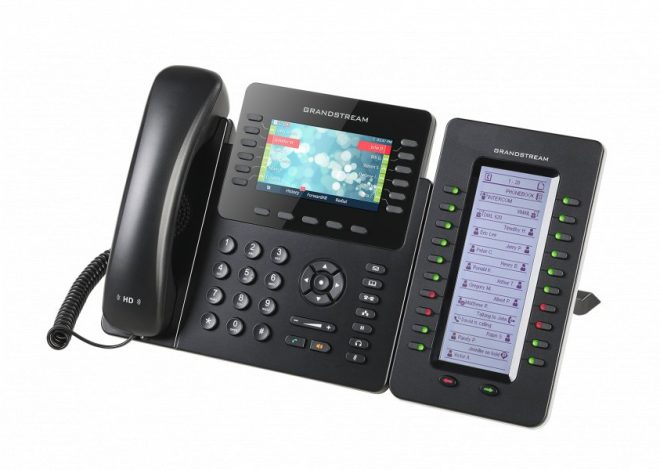
Modern IP phones, like those from Grandstream, are designed with customization at their core. These devices come with programmable keys, customizable screens, and user-friendly interfaces that allow employees to personalize their phones. Whether it’s setting up dedicated lines for key contacts or adjusting ringtones for quick recognition, these small tweaks significantly enhance everyday communication. The ability to personalize devices creates a more intuitive experience, helping teams respond faster and with fewer mistakes.
Beyond individual convenience, personalized systems improve overall team collaboration. When communication flows smoothly, departments can better coordinate and serve customers promptly. Call routing can be optimized to ensure inquiries reach the right person immediately, while presence indicators and integrated messaging foster real-time collaboration. These features create a seamless communication ecosystem that supports agility, responsiveness, and professionalism.
With the ongoing evolution of workplace technology, understanding the value of customization becomes essential. These solutions aren’t just about adding features—they’re about creating a cohesive environment that supports growth, efficiency, and flexibility. For organizations of all sizes, adopting customizable telephony is a strategic move that enhances daily operations and positions them for future success in an increasingly connected world.

Core Technologies Powering Modern Telephony Systems
Modern telephony has evolved far beyond the days when landline phones relied solely on analog signals. Today’s systems are built on digital and internet-based technologies that offer greater flexibility, scalability, and advanced features. At the core of this transformation is Voice over Internet Protocol (VoIP), which converts voice into data packets transmitted over the internet. This shift significantly reduces communication costs while opening up possibilities like video conferencing, instant messaging, and seamless integration with other digital tools, making business communication more dynamic and efficient.
Key technologies underpinning these advancements include Session Initiation Protocol (SIP), which manages the setup, control, and termination of voice and multimedia calls. SIP enables devices to establish reliable connections quickly and manage multiple sessions simultaneously, forming the backbone of modern communication networks. Quality of Service (QoS) settings play a crucial role by prioritizing voice traffic over data, ensuring clear audio even during high network load periods. Together, these protocols create a stable environment where voice quality remains high, regardless of network congestion.
Another critical component is the IP Private Branch Exchange (IP PBX), a digital switchboard that handles internal and external calls over IP networks. Unlike traditional hardware-based systems, IP PBXs are highly adaptable, supporting features like auto-attendants, call forwarding, and voicemail-to-email integration. They provide a centralized management point that can be configured remotely, making it easier for organizations to adapt their communication infrastructure as they grow. This flexibility supports hybrid environments where some communication remains on-premise while other functions leverage the cloud.
The rise of cloud-based telephony platforms has further transformed the landscape. These services enable organizations to manage their entire communication system from a single, web-based interface. Cloud solutions eliminate the need for extensive on-site hardware, allowing quick deployment and effortless scaling. They also facilitate remote management, enabling IT teams to configure devices, monitor performance, and troubleshoot issues from anywhere, reducing downtime and support costs. This agility is especially valuable in today’s increasingly remote and distributed workforces.
Device technology has kept pace with these innovations. Traditional landline phones transitioned into digital IP phones, which leverage internet connections to deliver high-quality voice. Modern IP phones from brands like Grandstream feature high-resolution screens, programmable keys, and customizable interfaces tailored to user needs. These devices support remote provisioning, allowing businesses to deploy updates and configurations quickly across large networks, minimizing manual setup and reducing errors. Features like VLAN support and secure protocols ensure reliable, high-quality communication even in complex network environments.
Understanding these core concepts and technologies is essential for anyone looking to implement or upgrade their telephony systems. They form a foundation that supports not just basic voice calls but an integrated ecosystem of video, messaging, presence indicators, and collaboration tools. As organizations increasingly rely on remote work and digital communication, these technologies will become even more vital for maintaining connectivity, security, and productivity.
Looking ahead, trends like artificial intelligence, machine learning, and 5G connectivity will continue to push telephony technology forward. These advancements promise even more intelligent, responsive, and resilient communication networks. For businesses, staying informed about these core technologies ensures they can leverage the latest innovations to improve operational efficiency, enhance customer experience, and remain competitive in a rapidly changing digital landscape.
Revolutionize Your Communication Workflow with Grandstream
Grandstream’s devices are redefining how businesses communicate by making advanced telephony features accessible and straightforward to manage. Their solutions support seamless integration with existing network setups, enabling companies to upgrade from traditional landlines to modern IP phones without the usual complexity. This transition not only enhances call clarity but also unlocks a suite of productivity-boosting features like programmable keys, personalized settings, and user-friendly interfaces. With cloud management capabilities, organizations can configure, monitor, and troubleshoot devices remotely, cutting down on support costs and deployment time.
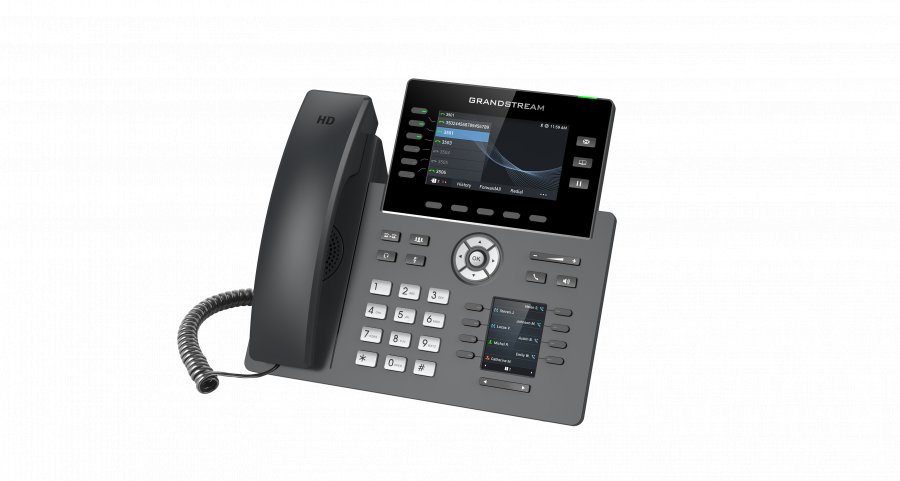
One of the key strengths of Grandstream’s offerings is their focus on customization. Their IP phones, particularly the GRP series, are built for flexibility—allowing users to assign dedicated speed dials, set unique ringtones, and tailor display options to fit their workflows. These small adjustments create an intuitive environment that accelerates response times and reduces errors, whether for front-desk staff, remote workers, or sales teams. Personalization makes daily interactions more efficient and less frustrating.
Centralized management platforms like GDMS play a crucial role in simplifying deployment and ongoing maintenance. This cloud-based system enables IT teams to remotely configure, update firmware, and monitor hundreds of devices from anywhere. Such control dramatically reduces deployment timelines and minimizes manual errors, especially in large-scale environments. Firmware updates, provisioning, and troubleshooting are streamlined processes that ensure devices stay current, secure, and operational without interrupting business workflows.
Grandstream devices also excel in network optimization. Features like Quality of Service (QoS) prioritize voice traffic, ensuring crystal-clear calls even during peak network usage. Support for secure provisioning protocols and VLAN segregation safeguards voice data against security threats and network interference. These technical enhancements are vital for maintaining professional-grade communication, especially in environments with complex or sensitive data needs.
Flexibility is another hallmark of Grandstream’s solutions. Their devices support various deployment models, including cloud-based, on-premise, or hybrid setups. This adaptability allows organizations to scale their communication networks effortlessly as they grow or shift strategies. Whether expanding into new locations or integrating new features, these devices can reconfigure quickly, avoiding costly hardware replacements and minimizing downtime.
Beyond hardware, Grandstream fosters smarter communication ecosystems. Their solutions support unified communications that combine voice, video, and messaging into a single platform. This integration enables real-time collaboration regardless of where team members are located, transforming traditional telephony into a comprehensive, versatile communication hub. Such environments empower organizations to respond faster, serve customers better, and foster a more connected workplace.
The user experience is at the heart of Grandstream’s design philosophy. Devices are built for easy remote provisioning, with intuitive interfaces that require minimal setup. Employees can quickly customize their phones to match their specific roles, with features like speed dials, personalized ringtones, and display options. This customization accelerates workflows and helps teams stay organized, all while reducing the likelihood of errors.
In essence, Grandstream’s solutions are about more than just hardware—they’re about creating a resilient, scalable, and personalized communication environment. By combining advanced management tools, secure and reliable network features, and flexible deployment options, these devices help organizations unlock new levels of efficiency and collaboration. Embracing Grandstream’s innovative telephony doesn’t just upgrade your network; it transforms your entire approach to business communication, positioning you for success in a rapidly evolving digital landscape.
Grandstream’s Product Lines: Features and Customization Opportunities
Grandstream’s range of telephony devices is crafted to meet the diverse needs of modern businesses, blending flexibility, scalability, and ease of deployment into a cohesive ecosystem. Their product lineup includes IP phones, gateways, and IP PBX systems, each designed to simplify communication management while offering extensive customization options. These devices integrate smoothly into existing network environments, making upgrades straightforward and cost-effective, whether for a single office or a large distributed setup.
The IP phones, especially the popular GRP series, stand out for their user-friendly design and robust feature set. They support programmable keys, personalized settings, and customizable interfaces that empower users to adapt their devices to specific workflows. Employees can assign speed dials to frequently contacted numbers or choose unique ringtones for quick recognition, speeding up interactions and reducing errors. This level of personalization creates an intuitive experience that enhances daily communication, whether in a front-desk role, sales environment, or remote work setting.
Centralized management through platforms like GDMS enhances deployment efficiency and ongoing maintenance. This cloud-based system allows IT teams to configure, update firmware, and monitor hundreds of devices remotely, often with just a few clicks. Such streamlined control reduces setup time and manual errors, especially in large-scale environments. Firmware updates, device provisioning, and troubleshooting become quick, straightforward tasks that keep systems current, secure, and operational without disrupting business activities.
Grandstream devices also excel in network optimization features that support high-quality, reliable calls. Support for Quality of Service (QoS) prioritizes voice traffic, ensuring crystal-clear conversations even during network congestion. Secure provisioning protocols and VLAN support help segregate voice data from other network traffic, enhancing security and stability. These technical capabilities are vital for maintaining professional-grade communication, particularly in environments dealing with sensitive information or complex network architectures.
Flexibility remains a core advantage of Grandstream’s solutions. Their devices support various deployment models—cloud-based, on-premise, or hybrid—allowing organizations to scale and adapt without costly hardware replacements or complex reconfigurations. As businesses grow or shift strategies, these devices can be easily reconfigured, ensuring continuous, reliable communication and minimizing downtime. This adaptability empowers organizations to stay agile and responsive in a competitive landscape, making Grandstream a trusted partner for future-proof telephony infrastructure.