Transform Your Yard Into a Sustainable Outdoor Retreat
Transforming Toronto yards into stunning outdoor retreats isn’t just about aesthetics—it’s a delicate balance of beauty, sustainability, and client satisfaction. How can homeowners create lush, resilient spaces that thrive in Toronto’s climate while supporting environmental health? This guide reveals that thoughtful design, native plants, eco-friendly materials, and stormwater management are key to achieving this harmony. From selecting climate-adapted plants to incorporating water-saving features like rain gardens, the strategies focus on long-term resilience and minimal maintenance. The process intertwines careful planning and collaborative execution, turning visions into vibrant, functional escapes that extend the home into nature. Yet, with urban challenges and climate unpredictability, the question remains: can these eco-conscious designs truly coexist with comfort and style? The future of outdoor living in Toronto hinges on innovation and sustainable practices, promising spaces that nurture both the environment and their owners—spaces where beauty and responsibility are seamlessly intertwined.
Transforming Toronto Yards into Personal Sanctuaries of Beauty and Sustainability
Transforming Toronto yards into inviting outdoor retreats is more than just a trend—it’s a way for homeowners to extend their living space and reconnect with nature within the city. These projects are about creating personal sanctuaries that blend beauty, practicality, and environmental mindfulness. Whether it’s a lush garden for relaxation or a vibrant space for entertaining, a well-designed yard can dramatically enhance the quality of outdoor living.
Given Toronto’s unique climate and urban landscape, designing these retreats requires a thoughtful approach. The goal is to craft spaces that feel lush and inviting, yet resilient enough to withstand cold winters and humid summers. This balancing act involves selecting native plants, sustainable materials, and features that support water conservation and biodiversity, making the yard both stunning and eco-friendly.
Homeowners are increasingly recognizing that a beautiful outdoor space can serve multiple purposes—an oasis to unwind after a busy day, a lively area for family gatherings, or a peaceful place to enjoy nature. The transformation of a simple patch of land into a personalized retreat reflects a desire to live more consciously and sustainably, even within the city limits. It’s about turning everyday outdoor areas into extensions of the home that mirror personal style while respecting the environment.
Designing these outdoor spaces isn’t just about aesthetics; it’s about creating harmony between the natural environment and human use. This means thoughtful placement of features like native plantings, water elements, and eco-friendly materials that work with Toronto’s climate. Every element is chosen not only for its beauty but also for its ability to thrive with minimal intervention, ensuring the yard remains vibrant year-round.
The process of yard transformation is a collaborative effort between homeowners, designers, and skilled installation teams. From initial concept to final touches, attention to detail ensures that the finished space aligns with the client’s vision and environmental goals. The result is a seamless blend of style and sustainability—an outdoor retreat that’s both visually appealing and environmentally responsible.
In essence, turning yards into sustainable retreats is about more than just aesthetics; it’s a commitment to creating resilient, functional, and beautiful outdoor spaces. These transformations foster a deeper connection with the environment and contribute to healthier neighborhoods. They remind us that thoughtful design can turn ordinary yards into extraordinary places—proof that beauty, sustainability, and client satisfaction can indeed coexist.
Core Principles That Turn Outdoor Spaces Into Harmonious Retreats
Effective landscape design hinges on understanding a few core principles that transform outdoor spaces into both beautiful and functional retreats. Balance and harmony are fundamental; they ensure that plants, structures, and features come together in a cohesive way. When elements are thoughtfully placed and proportioned, the yard naturally feels inviting and easy to navigate, turning an ordinary outdoor area into an extension of the home.
Adding contrast and focal points injects visual interest and guides the eye across the landscape. Incorporating standout features like a sculpture, a flowering tree, or a water element creates visual anchors that break monotony and give the space personality. These focal points make the yard more engaging and encourage exploration, turning a simple garden into a memorable environment.
Proportion and scale are equally vital. A small fire pit in a large backyard can look out of place, while oversized features might overwhelm a compact yard. Matching size and style to the space’s dimensions keeps everything feeling balanced and natural. Well-scaled elements enhance the overall design, ensuring no feature dominates the scene or gets lost.
Understanding the natural topography is crucial. Slope, drainage, and soil conditions influence what’s possible and how the landscape should be shaped. Instead of fighting these features, smart designers embrace them—using terraces, retaining walls, or native plantings to turn challenges into assets. This approach creates resilient landscapes that require less ongoing maintenance.
Native plants play a key role in sustainable landscaping. Adapted to Toronto’s climate, they need less water, fertilizer, and pesticides, which reduces runoff and pollution. Incorporating local materials, like permeable pavers or reclaimed wood, supports eco-friendly practices. These choices make landscapes more durable, easier to care for, and better for the environment.
Design must also consider how people will use the space daily. Thoughtful placement of seating, pathways, and functional zones ensures the yard is welcoming and practical—perfect for relaxing, entertaining, or gardening. When these elements are well integrated, the outdoor space becomes an extension of the owner’s lifestyle, tailored to their needs.
Sustainable landscape design balances aesthetic appeal with environmental responsibility. By applying these principles with care, the yard becomes a resilient, eco-conscious environment that enhances the overall quality of outdoor living. This foundation sets the stage for creating spaces that are both stunning and sustainable, supporting long-term beauty and function.
Incorporating these core principles into every project ensures that outdoor spaces are not just visually appealing but also environmentally resilient. When harmony, scale, and natural features are prioritized, yards evolve into seamless extensions of our homes—beautiful, practical, and respectful of the local ecosystem. This thoughtful approach transforms ordinary landscapes into extraordinary retreats that stand the test of time.

Achieving Eco-Friendly Elegance Through Strategic Landscaping
Creating a sustainable landscape in Toronto involves thoughtful choices that support the environment while enhancing visual appeal. Native plants are a cornerstone of this approach, thriving in local conditions with minimal water, fertilizers, and pesticides. Their resilience reduces runoff and pollution, making them ideal for eco-conscious homeowners seeking lush, low-maintenance yards. Pairing these plants with eco-friendly materials like permeable pavers, reclaimed wood, and natural stone not only elevates the aesthetic but also helps manage stormwater and prevent erosion.
Designing for beauty and sustainability requires deliberate planning. Selecting native flowering plants that bloom across seasons keeps the yard vibrant year-round, while incorporating water features like ponds or fountains adds a peaceful focal point. Solar-powered lighting or LED fixtures enhance ambiance without increasing energy use. These features support local wildlife and create inviting outdoor spaces that are both functional and environmentally responsible.
Toronto’s climate demands resilient plant choices. Native grasses, shrubs, and perennials adapt quickly to cold winters and humid summers, reducing the need for chemical treatments and watering. This climate-responsive approach ensures the landscape remains lively and healthy through seasonal changes, supporting long-term sustainability. Regular practices like mulching, organic pest control, and soil testing further bolster plant health and soil fertility, making the landscape more durable.
Stormwater management is a key aspect of eco-friendly landscaping. Rain gardens, permeable pavements, and rainwater harvesting systems help absorb excess water, reducing runoff and easing pressure on city drainage. These features blend seamlessly into the design, maintaining visual harmony while supporting the environment. Incorporating composting not only minimizes waste but enriches the soil naturally, fostering a thriving landscape.
Integrating sustainability into the overall design creates a space that’s both beautiful and resilient. Thoughtful plant selection, eco-friendly materials, and water-saving features work together to craft outdoor retreats that stand up to Toronto’s weather and ecological challenges. This balanced approach ensures the yard remains lush, functional, and easy to maintain over time, proving that eco-conscious choices can elevate outdoor aesthetics.
By adopting these evidence-based strategies, homeowners can transform their yards into vibrant, eco-friendly sanctuaries. The goal is to create landscapes that do more than look good—they contribute positively to the environment, support biodiversity, and offer long-term benefits with minimal ongoing effort. When designed with care and intention, sustainable landscaping becomes a seamless part of outdoor living, enriching both the space and the community.
Turning Design Ideas Into Vibrant Realities With Practical Steps
Transforming a yard from concept to reality requires careful planning and precise execution that seamlessly blends design principles with sustainable practices. The process starts with creating detailed layouts that map out each element—plants, pathways, water features—and how they will work together in the space. Clear plans help ensure the final result is cohesive, functional, and aligned with the homeowner’s vision, setting the foundation for a successful transformation.
Once the design is finalized, installation becomes a collaborative effort. Working closely with experienced contractors and maintaining open communication with clients ensures that each detail is executed accurately. Regular site evaluations during construction allow for adjustments, addressing unforeseen issues like soil conditions or weather delays. Being actively involved during installation helps maintain quality standards and keeps the project on track, so the yard’s beauty and sustainability goals are fully realized.
Incorporating native plants and climate-adapted materials is key to building a resilient landscape. Selecting plants suited to Toronto’s cold winters and humid summers means they establish quickly and require less ongoing care. Features like rain gardens or composting systems further enhance environmental responsibility, helping manage stormwater and reduce reliance on chemical fertilizers. These elements form the backbone of a landscape designed not only for aesthetic appeal but also for long-term durability and eco-friendliness.
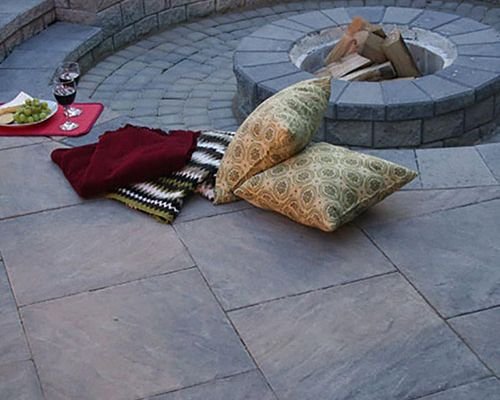
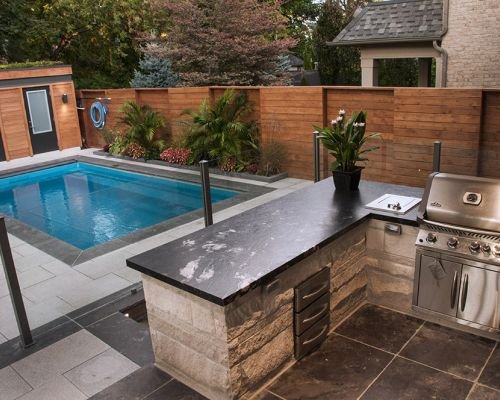
Adding thoughtful features transforms a functional yard into an inspiring outdoor retreat. Built-in fire pits, outdoor kitchens, or water features like small ponds serve dual purposes—beauty and utility—while creating inviting spaces for relaxation and entertainment. Creative lighting, especially solar-powered or LED fixtures, extends usability into the evening without increasing energy consumption. Even small touches like vertical gardens or green walls can maximize limited space and add lush greenery, turning smaller yards into vibrant, inviting escapes.
Maintaining these landscapes over time is essential to preserve their beauty and sustainability. Routine practices such as pruning, mulching, and organic pest control keep plants healthy and soil fertile. Monitoring soil health and addressing issues promptly prevents minor problems from escalating. Incorporating rainwater harvesting and composting into regular care supports ongoing water conservation and soil improvement, ensuring the yard remains vibrant and eco-friendly year after year.
Applying these principles in real-world projects turns initial ideas into thriving outdoor spaces. This approach guarantees an aesthetically pleasing result while emphasizing environmental responsibility. Thoughtful integration of sustainable strategies with innovative design creates yards that are resilient, functional, and inspiring—proof that beauty and sustainability can truly go hand in hand in every outdoor transformation.
Future Visions: Sustainable, Resilient Outdoor Retreats in Toronto
Creating sustainable and beautiful outdoor retreats in Toronto reflects a shift toward landscape designs that thoughtfully balance ecological responsibility with visual appeal. The key lessons emphasize that native plants, eco-friendly materials, and climate-adapted practices are essential for long-lasting, resilient yards. These choices not only support local ecosystems but also help maintain vibrant landscapes despite Toronto’s unpredictable weather patterns. As homeowners and designers gain more experience, the importance of integrating these elements into every project becomes clearer, ensuring that outdoor spaces are both stunning and sustainable.
Emerging trends highlight the role of smarter technology in making eco-conscious landscaping more efficient. Smart irrigation systems, solar lighting, and weather-responsive watering devices help conserve water and energy while keeping landscapes lush. Green infrastructure solutions like rain gardens, permeable pavements, and rainwater harvesting systems are gaining popularity, offering practical ways to manage stormwater and reduce erosion without sacrificing beauty. These innovations are shaping a future where sustainability and design go hand in hand, making it easier for homeowners to maintain eco-friendly retreats with less effort.
However, urban development and climate change present ongoing challenges. Smaller yards, limited space, and privacy concerns require innovative thinking to maximize functionality and beauty. Climate impacts, such as droughts, heavy rains, and temperature extremes, demand resilient landscape solutions that can adapt and thrive under changing conditions. Addressing these issues calls for continuous collaboration among homeowners, designers, and environmental experts, fostering a culture of learning and adaptation. This collective effort ensures that outdoor spaces remain refuges of beauty and sustainability, even as external pressures intensify.
Looking ahead, integrating these principles seamlessly into daily life will be vital. Embracing new technologies and sustainable practices will help turn even modest yards into thriving, eco-friendly sanctuaries. Cultivating awareness and sharing knowledge will be crucial in overcoming future hurdles, allowing landscapes to evolve with the city’s needs. By fostering a mindset of ongoing improvement and innovation, Toronto’s outdoor retreats can become vital parts of the urban fabric—spaces that inspire, relax, and contribute positively to the environment for generations to come.
Ultimately, the future of outdoor design in Toronto hinges on our collective willingness to innovate and adapt. Combining science, creativity, and local expertise will push the boundaries of what’s possible, transforming yards into resilient, beautiful ecosystems. These efforts will not only enhance individual properties but also support broader ecological health and community well-being. As we continue to refine our approach, outdoor retreats will evolve into symbols of responsible urban living—spaces that nurture our environment while enriching our daily lives.