Underground Street Racing: A Culture of Speed, Loyalty, and Rebellion
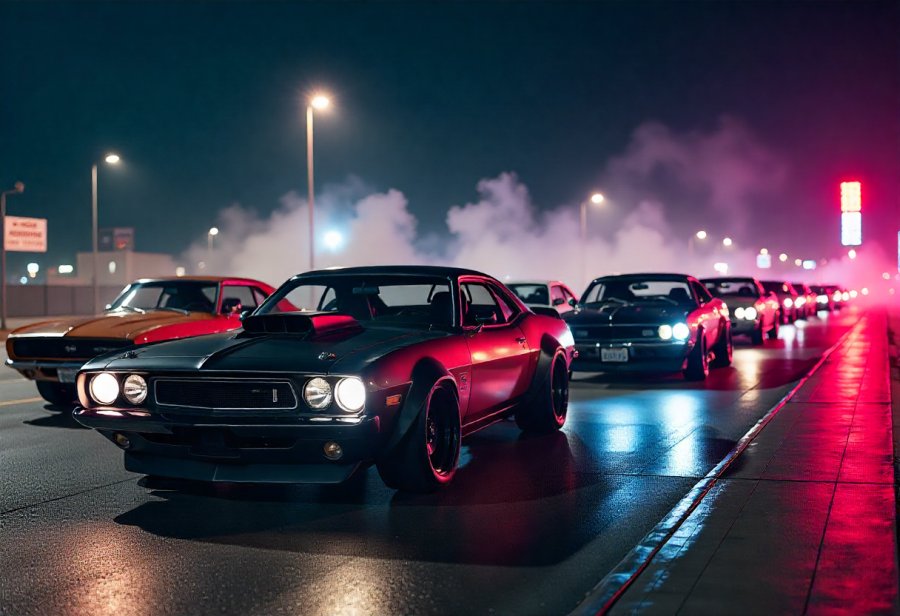
Underground street racing is more than just a pursuit of speed; it’s a clandestine culture built on trust, loyalty, and brotherhood that binds a diverse community of enthusiasts. From abandoned lots to digital forums, this scene thrives amid risks and rebellion, forging connections that go deeper than asphalt. As technology advances—introducing smart tuning and electric drivetrains—the races grow faster and more intricate, yet the core remains rooted in shared experiences and mutual support. Stories of late-night battles, mechanical camaraderie, and pride in custom vehicles highlight how these bonds are forged through risk and resilience. With law enforcement tightening its grip, racers adapt by finding new locations and embracing online connectivity, ensuring the scene’s survival. The future promises a blend of innovation and tradition, where digital platforms and semi-legal venues might redefine what brotherhood and speed truly mean—raising a compelling question: how will this underground culture evolve without losing its unbreakable spirit?
Unveiling the Hidden World of Underground Street Racing
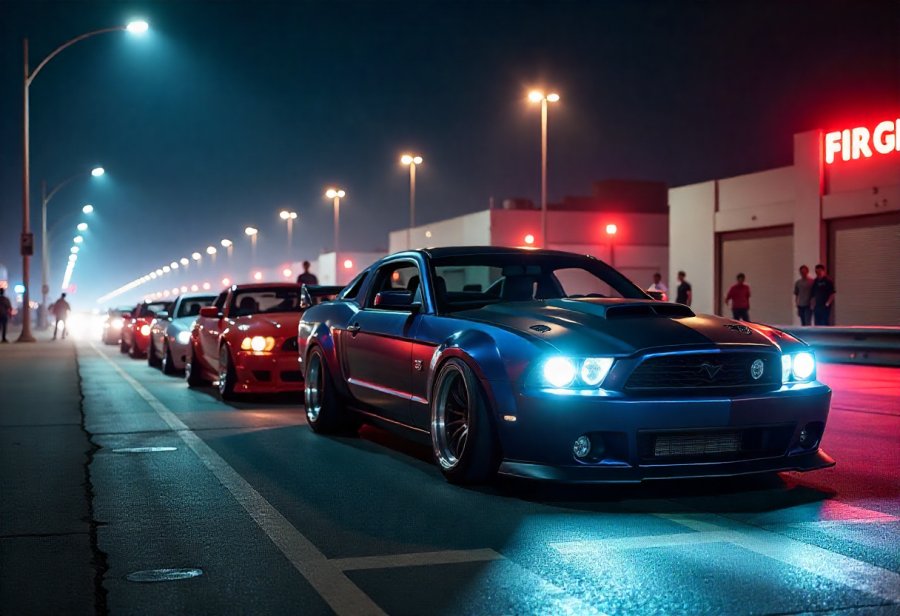
Underground street racing is more than just a reckless thrill; it’s a vital part of urban youth culture that thrives in hidden corners of the city. These clandestine races often unfold in abandoned parking lots, quiet backstreets, or industrial zones—places where racers can push their cars to the limit away from police eyes. It’s a scene fueled by adrenaline, rebellion, and the desire for community. For many young drivers, street racing offers a rare sense of freedom, a space to express their identity and test their skills without the constraints of formal motorsport.
This culture has deep roots that stretch back decades. After World War II, as more young people gained access to cars, city streets became makeshift race tracks. Movies from the ’60s and ’70s romanticized the underground scene, turning it into a symbol of independence and daring. Over time, authorities cracked down on illegal racing, prompting enthusiasts to organize late-night meets in more secluded areas. Despite the risks, the scene persisted and evolved, constantly adapting to new challenges while maintaining its core appeal: the thrill of speed and the bonds formed through shared experiences.
Today, underground street racing isn’t just about speed; it’s a vibrant community that reflects broader cultural trends. Digital platforms, encrypted messaging apps, and social media have made it easier to organize events discreetly, share modifications, and connect across city boundaries. These online spaces foster a sense of belonging among participants, who see their cars as extensions of themselves and symbols of loyalty. Even with increasing legal and safety concerns, technology helps keep the scene alive, blending tradition with modern innovation.
The locations may change, but the essence remains the same: a space where speed and loyalty intertwine. Innovations like smart tuning systems, electronic fuel injection, and electric drivetrains are pushing performance further, allowing racers to fine-tune their cars with precision. These advancements make the races faster and more competitive, yet the core remains rooted in the desire for adrenaline, camaraderie, and a sense of belonging. As urban landscapes evolve, so do the spots where these races happen—always in the shadows, always driven by passion.
Underground racing also has a significant impact on local economies. It fuels demand for aftermarket parts, custom tuning shops, and vehicle modifications—small businesses that thrive in secrecy. These gatherings often turn into impromptu markets, where parts and advice are exchanged among enthusiasts. For many, their cars symbolize pride, identity, and loyalty to their crew. The shared passion and trust create a kinship that keeps the scene strong, even as authorities tighten their grip.
At its heart, underground street racing is about more than just cars and speed. It’s a community built on trust, loyalty, and shared risks. The late-night races, secret exchanges, and moments of support forge bonds that last beyond the streets. It’s a space where young people carve out their identity, find belonging, and push themselves beyond limits—bound by a love of speed and an unbreakable brotherhood that continues to grow in the shadows of the city.
The Brotherhood Forged in Speed and Loyalty
Underground street racing goes beyond the thrill of speed; it’s a forge for bonds rooted in trust and loyalty that run deep. When drivers gather late at night, they’re not just competing—they’re building a sense of family that extends far beyond the asphalt. The shared risks of high-stakes races create a camaraderie grounded in reliance, where each member plays a crucial role in supporting one another’s safety and success. This mutual dependence transforms a group of enthusiasts into a close-knit brotherhood, bonded by experiences that only those in the scene can truly understand.
The adrenaline-fueled moments of racing intensify these connections. Engines roaring and tires squealing become a shared language that cements trust among members. Racers rely on each other for advice on tuning, troubleshooting issues, or spotting danger during a run. These acts of support, often exchanged in the quiet of garages or in whispered conversations, reinforce a sense of loyalty that sustains the community through legal threats and personal risks. Every shared victory or narrow escape adds another layer to their collective story, strengthening the ties that bind.
Late-night races often serve as rituals of loyalty. As engines hum and smoke drifts into the night, crews stand united, watching out for each other’s safety and offering encouragement. When mechanical setbacks occur or a driver narrowly avoids danger, the crew’s quick support underscores their commitment. These moments of collective resilience forge bonds that feel more like kinship than mere friendship. In these shared experiences, trust becomes the currency that sustains the scene, transforming individual passion into a powerful community.
For many racers, their cars symbolize more than just transportation—they embody identity, pride, and loyalty. Custom modifications, carefully crafted with crew help, reflect skills and dedication built over years. These vehicles become badges of honor and symbols of allegiance to their crew, reinforced through shared effort and sacrifice. Every scratch and dent tells a story of perseverance and loyalty, making each car a rolling testament to the bonds formed through countless late nights and high-speed adventures.
Ultimately, the brotherhood of street racing is built on a foundation of trust, respect, and shared risks. It’s a community that recognizes loyalty as its backbone—one forged in the chaos of high-speed pursuits and quiet moments of support. This unbreakable bond, rooted in a love for speed and camaraderie, ensures that even in the shadows of the city, the spirit of brotherhood continues to thrive. It’s more than racing; it’s a lifelong connection that keeps the scene alive.
Digital Evolution: How Technology Reshapes Street Racing
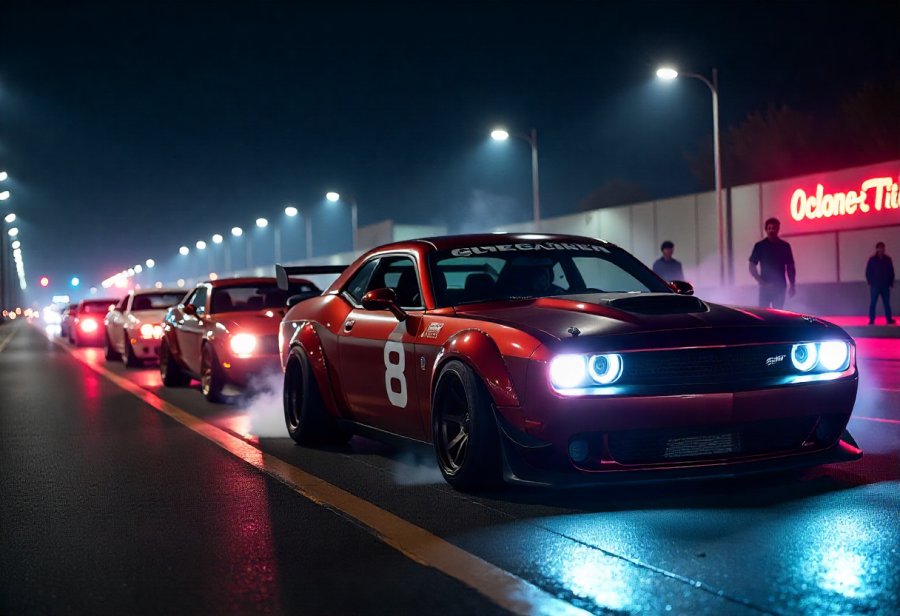
Today, underground street racing is evolving rapidly, heavily influenced by technology and social media. Organizers increasingly rely on encrypted messaging apps, online forums, and social platforms to coordinate clandestine meets with greater discretion. This digital layer not only helps racers avoid law enforcement but also connects communities across different neighborhoods and even cities. Sharing tips, modifications, and race locations online fosters a sense of camaraderie that extends beyond physical boundaries, keeping the scene vibrant despite mounting legal pressures.
Advancements in automotive tech are transforming what’s possible on the streets. Many racers now outfit their cars with smart tuning systems, electronic fuel injection, and even electric drivetrains, pushing performance to new levels. These modifications allow for precise adjustments and faster speeds, often shared through online groups that exchange advice and strategies. While this tech-driven evolution makes races more competitive and exciting, it also raises concerns about safety and legality, as faster, more complex cars hit the streets, sometimes without proper safeguards.
The scene’s influence extends beyond just the racers. Local economies benefit from the demand for aftermarket parts, custom tuning shops, and vehicle modifications. Underground gatherings often turn into spontaneous markets, where parts, advice, and skills are exchanged in secrecy. For participants, these events are more than illegal races—they’re spaces for identity expression and loyalty, with cars serving as symbols of skill, dedication, and community pride. This shared passion and trust create a kinship that sustains the scene, even as law enforcement intensifies its efforts.
As authorities increase surveillance and enforcement, racers adapt by choosing remote or hidden locations for their activities. The tension between maintaining the underground culture and complying with safety laws fosters a constant game of cat and mouse. Many in the community see these challenges as part of the scene’s resilience, finding new ways to stay connected and keep the spirit alive. This adaptability ensures underground racing remains a vibrant, if clandestine, part of urban youth culture.
Looking ahead, technological integration and digital connectivity will likely reshape the scene further. Virtual meetups, live streams, and online forums will broaden participation and share experiences globally. Some organizers are exploring legal or semi-legal racing spaces to balance rebellion with safety, aiming to preserve the essence of speed and brotherhood while reducing risks. Despite increasing regulation, the core values—trust, loyalty, and a love for speed—continue to drive the culture forward, ensuring its relevance and vitality for years to come.
Stories from the Streets: Personal Journeys of Racer’s Lives
Many racers have stories that reveal just how deeply underground street racing is woven into their lives. For some, it’s more than a hobby—it’s a rite of passage, an escape from daily struggles, or a way to prove themselves in a community that values loyalty and resilience. One driver recalls late-night sessions in abandoned parking lots that felt like they became a second family, bonding over shared risks and custom builds. These moments aren’t solely about the thrill; they’re about belonging, trust, and creating something bigger than individual victories.
Others describe the adrenaline rush of their first big win, a memory etched in their minds. Many speak of setbacks, like mechanical failures or close calls, which only strengthened their resolve. These stories highlight that underground racing isn’t just about speed; it’s about personal growth—learning patience, ingenuity, and perseverance through every challenge faced on the streets. The shared experiences of triumph and adversity forge bonds that go beyond the cars themselves.
Behind every successful race is often a story of camaraderie. Racers depend on each other for tips on tuning engines, swapping parts, or navigating tricky streets. They share secrets about modifications and strategies, building a web of trust that keeps the scene alive. These acts of support and collaboration turn a group of enthusiasts into a close-knit family, united by a common passion and mutual respect. It’s in these moments—fixing a stubborn engine or cheering for a crew member—that the real connection is made.
Many participants see their cars as symbols of identity and pride, more than just machines. Custom modifications reflect their skills and dedication, often built with crew members’ help. These rides become badges of loyalty, representing years of effort, sacrifice, and shared dreams. Every scratch or dent tells a story of perseverance, loyalty, and the bonds formed along the way. These vehicles embody the community’s spirit, each one a rolling testament to their collective journey.
In the end, these stories paint a picture of underground racing as more than just high-speed competitions. It’s a world built on human connection, trust, and shared risks. The late-night races, secret exchanges, and moments of support forge relationships that last far beyond the streetlights. For many, it’s a community where loyalty is earned and cherished—an unbreakable brotherhood fueled by a love for speed, resilience, and the bonds that define them.
Gazing Forward: The Future of Underground Racing and Cultural Shifts
The future of underground street racing is already taking shape, driven by the rapid pace of technological innovation and shifting cultural attitudes. Digital platforms and encrypted messaging apps are making it easier than ever for racers to organize clandestine meets with greater discretion, helping the community stay connected even as law enforcement intensifies its efforts. This seamless online coordination fosters a broader sense of camaraderie that crosses city boundaries, allowing sharing of tips, modifications, and locations in real-time. It keeps the scene vibrant and adaptable, ensuring that passion persists despite mounting challenges.
On the tech front, modifications continue to grow more sophisticated. Electric drivetrains, smart tuning systems controlled via smartphones, and hybrid setups are pushing performance into new territory. These advancements enable racers to fine-tune their cars with remarkable precision, achieving speeds and handling that once seemed out of reach. While safety and legality remain concerns, many enthusiasts view these innovations as opportunities to elevate their craft and stand out within the scene. This blend of rebellion and cutting-edge technology creates a hybrid culture that appeals to younger generations eager for innovation.
As urban landscapes evolve, so do the venues for racing. While abandoned lots and industrial zones remain popular, some communities are exploring legal or semi-legal spaces where racing can occur more safely. A handful of organizers are working with local authorities to establish designated areas, aiming to preserve the adrenaline and brotherhood without risking public safety. If successful, these spaces could redefine the scene—offering a more sustainable environment that balances rebellion with responsibility, without losing its core spirit.
Social media and online communities are extending the scene’s reach beyond local borders. Virtual meetups, live streams, and forums enable racers worldwide to share stories, strategies, and modifications—creating a global network of speed enthusiasts. This increased visibility introduces new opportunities for responsible growth, inspiring newcomers while also attracting scrutiny. The community’s resilience lies in its ability to adapt, blending tradition with digital innovation to keep the culture alive and thriving.
Increased regulation and surveillance will likely push races further into remote areas or underground networks. Law enforcement’s efforts to monitor and control illegal activities intensify the game of cat and mouse, heightening risks but also fueling community resilience. Racers are quick to adapt—finding new locations, developing covert communication channels, and innovating ways to stay connected. This ongoing push and pull underscores the scene’s ability to evolve without losing its essence: the love of speed, loyalty, and brotherhood.
Looking ahead, underground racing is poised to evolve in ways that deepen its roots while embracing new possibilities. Virtual experiences, live streaming, and digital forums will broaden participation, making the culture more inclusive and accessible. Some organizers are exploring legal racing events, which could offer a safer outlet for the community’s energy without sacrificing its rebellious spirit. Through all these changes, the core values—trust, loyalty, and a shared love for speed—remain central, ensuring that underground street racing continues as a powerful expression of youth identity and community resilience.