
The Power of Inner Discipline Over External Conquest
What if true strength isn’t measured by external power or conquest but by inner discipline and moral resilience? History’s greatest leaders, like Marcus Aurelius, remind us that mastery over our thoughts, emotions, and virtues forms the foundation of lasting influence. Aurelius’s life exemplifies how internal virtues—patience, humility, clarity—can steer us through chaos and adversity more effectively than external victories. In today’s fast-paced world, cultivating self-awareness, resilience, and moral integrity is more vital than ever, guiding us to lead with authenticity and calmness amid uncertainty. This exploration challenges us to redefine strength, emphasizing that true leadership begins within. Are we willing to look beyond surface achievements and nurture the internal mastery that sustains us through life’s storms? Ultimately, inner discipline becomes the quiet yet powerful force shaping our character, legacy, and capacity to inspire genuine trust and long-term impact.
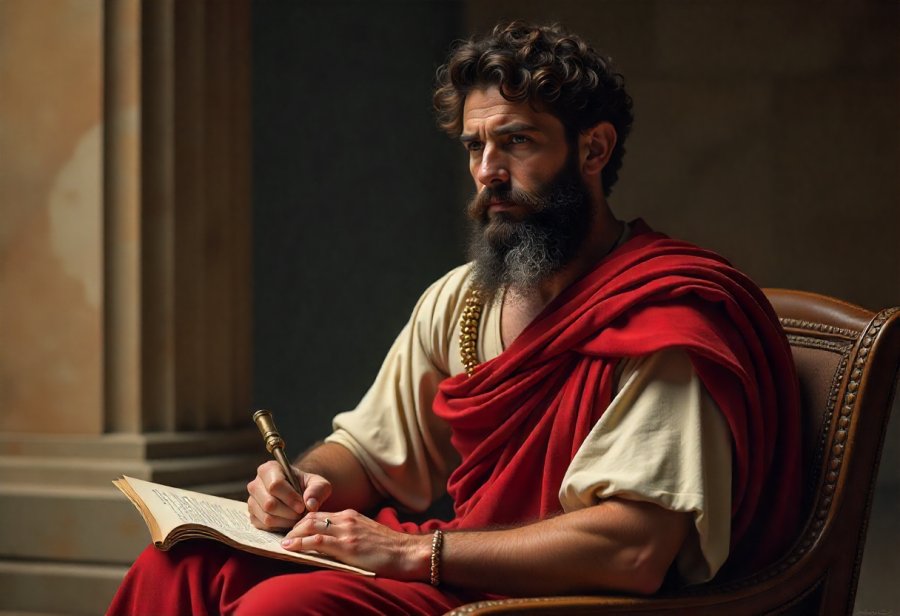
Uncovering True Power: Inner Discipline Versus External Conquest
When we think about true strength, it’s tempting to focus on what we can see—winning battles, accumulating wealth, or gaining fame. These external markers are easy to recognize and often celebrated, but they can be fleeting. Beneath these surface victories lies a deeper question: is real strength something visible, or is it something cultivated quietly within us? This idea challenges us to look beyond appearances and consider whether inner discipline forms the true foundation of lasting power.
Inner discipline isn’t about suppressing feelings or pretending to be unaffected. Instead, it’s about understanding and managing our thoughts, emotions, and actions so they align with our core values and long-term goals. Developing this mastery requires self-awareness—knowing what drives us, recognizing our impulses, and choosing how to respond. When we cultivate this inner awareness, we’re better equipped to handle setbacks and chaos without losing our footing. It’s a quiet strength that sustains us through adversity, not one that demands attention or applause.
Throughout history, thinkers like the Stoics have pointed to self-control and inner virtues as the essence of true strength. Marcus Aurelius, in particular, believed that the real battle was fought within. His writings in *Meditations* reveal a leader who prioritized mastering his mind over expanding his empire. Despite wars, plagues, and political upheaval, he remained centered by cultivating patience, humility, and clarity—traits that served as his internal armor. This internal focus gave him resilience that external conquest could never match.
Today’s world often pushes us to chase external success—social status, possessions, or external validation. While these can bring temporary satisfaction, they’re vulnerable and often superficial. Inner strength, by contrast, offers stability. It’s the resilience that keeps us grounded during tough times and the calm that allows us to act wisely rather than impulsively. Developing inner discipline becomes a way to build a steady foundation that supports us, no matter what life throws our way.
The Heart of Inner Discipline: Controlling Thoughts, Emotions, and Actions
Inner discipline is fundamentally about controlling our thoughts, emotions, and actions so they reflect our core values and long-term aspirations. It’s not about suppressing feelings or denying impulses but understanding them deeply and choosing how to respond. Developing this mastery begins with cultivating self-awareness—recognizing what drives us, identifying our triggers, and understanding how our inner landscape influences our behavior. When we sharpen this awareness, we gain the ability to direct our energy intentionally rather than being swept away by fleeting urges or external pressures.
Philosophers from the Stoics to modern thinkers emphasize that inner discipline is the true source of lasting strength. The Stoics believed that the real battle occurs within—controlling passions, managing desires, and maintaining tranquility amid chaos. Marcus Aurelius exemplified this idea, seeing self-control as the foundation of virtue and effective leadership. For him, external accomplishments mattered less than mastery over his inner world, which enabled him to face crises with calm and clarity. This inner resilience became his most reliable armor, far more enduring than any external conquest.
Resilience, a key facet of inner discipline, involves more than bouncing back from setbacks; it’s about maintaining steady purpose in the face of adversity. Resilient individuals don’t react impulsively when challenges arise but instead draw on their inner reserves of patience and calm. Building this resilience involves consistent practices such as reflection, mindful breathing, or establishing routines that reinforce self-control. These habits fortify the mind’s capacity to stay centered, even under pressure, making inner discipline a vital tool for navigating life’s unpredictability.
Inner discipline also encompasses virtues like patience, humility, and moral clarity—qualities that serve as internal anchors. These virtues help us navigate stressful situations with grace, allowing us to pause before reacting and to respond thoughtfully. This isn’t about suppressing emotions but understanding and channeling them productively. When we cultivate these internal qualities, we create a foundation of strength that remains resilient regardless of external circumstances, enabling us to act with wisdom and integrity at all times.
The figure of the philosopher king encapsulates this approach perfectly. Instead of seeking external dominance or personal gain, such leaders aim to master themselves and embody virtue. Their strength lies in wisdom, patience, and moral integrity—traits that inspire trust and stability. Marcus Aurelius’s life demonstrates that internal mastery, cultivated through disciplined reflection and virtue, creates a power far more lasting than any external empire. It’s this inner discipline that transforms leadership into a force of genuine influence and resilience.
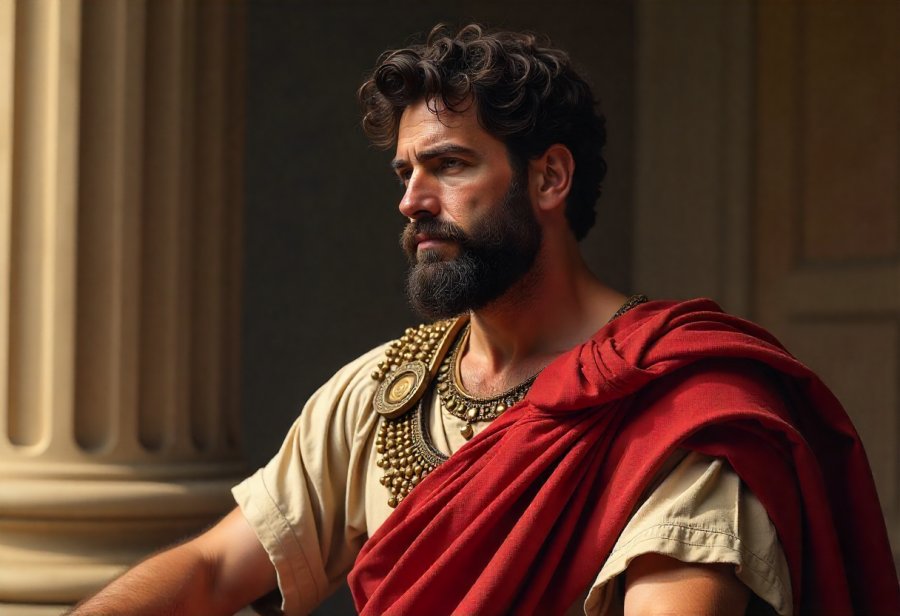
Marcus Aurelius: The Philosopher-King’s Inner Fortress of Resilience
Marcus Aurelius’s life stands as a powerful testament to how inner strength can surpass external power. As emperor of Rome, he faced some of the empire’s most daunting challenges—wars on multiple frontiers, devastating plagues, and political unrest that threatened to undermine everything. Yet, amid these pressures, he remained committed to inner virtues like patience, humility, and resilience. Unlike many rulers driven solely by conquest or personal ambition, Marcus prioritized mastering his mind and emotions, believing that true strength comes from within.
His writings in *Meditations* reveal a leader who used philosophy as a tool for resilience and clarity. During crises, Marcus reminded himself that external events are beyond his control, but his reactions are entirely within his power. This mindset allowed him to confront adversity with calm purpose, setting an example that genuine leadership begins inward. His reflections emphasize moral virtues—patience, humility, and integrity—that became his internal armor, shielding him from the chaos surrounding him.
Marcus’s internal discipline shaped his approach to governance. He understood that emotions like anger or fear could cloud judgment, so he cultivated detachment and calmness. This internal control enabled him to navigate complex military and political situations without losing his moral compass. His steadiness under pressure inspired loyalty and trust among his followers, illustrating that authentic influence stems more from inner strength than external dominance.
Throughout his reign, Marcus embodied the ideal of the philosopher-king—one who seeks wisdom and virtue above all else. His life demonstrates that mastery over oneself creates a power more enduring than any conquest. Even amidst turmoil, he remained committed to internal virtues, showing that true strength is rooted in moral clarity and self-control. His example highlights how internal discipline can guide a leader through the storm, inspiring others through integrity rather than fear.
His calm during wars and plagues underscores the importance of inner resilience. Marcus’s ability to stay composed and reflective during times of hardship exemplifies how internal mastery influences external circumstances. This resilience not only sustained him personally but also provided stability for the empire. His life reminds us that the deepest influence comes from governing ourselves first, and that genuine power is cultivated within.
Marcus Aurelius’s legacy proves that inner discipline isn’t about suppressing feelings but about understanding and directing them wisely. His leadership was driven by wisdom, patience, and moral integrity—traits that foster trust and stability. These qualities allowed him to govern with dignity even in turbulent times, illustrating that true strength resides within. His life encourages us to see inner discipline as the real source of lasting influence and resilience.
Modern Leaders, Ancient Wisdom: Applying Inner Discipline Today
Applying inner discipline in today’s leadership isn’t about rigid rules or strict routines; it’s about cultivating habits that keep us grounded, clear-minded, and authentic. Leaders who prioritize self-awareness and emotional regulation tend to make better decisions because they’re less reactive and more reflective. Practices like mindfulness meditation or journaling help develop this self-awareness, making it easier to recognize when emotions cloud judgment and to pause before reacting. When leaders can stay calm under pressure, they foster stability that others naturally follow, especially during times of crisis or uncertainty.
Building resilience is another key aspect. It’s not just about bouncing back from setbacks but about viewing challenges as opportunities to learn and grow. Resilient leaders maintain focus on their long-term goals, even when short-term obstacles seem overwhelming. This mindset encourages teams to stay motivated, knowing their leader remains composed and solution-oriented. Resilience can be strengthened through routines like daily reflection or deep breathing exercises, which reinforce a sense of inner control and purpose. These habits create a mental buffer that helps leaders stay centered amid chaos.
Setting clear boundaries is also crucial. Recognizing limits and prioritizing well-being prevents burnout and preserves mental clarity. When leaders manage their time and energy deliberately, they show up more fully for their teams and projects. Patience becomes essential here—slowing down, listening, and responding thoughtfully instead of impulsively. This approach fosters trust and respect, building a foundation of genuine influence rooted in integrity rather than authority. Patience and self-discipline go hand in hand, shaping leaders who inspire loyalty through consistency and moral strength.
Embracing a growth mindset further deepens inner discipline. Viewing setbacks as learning opportunities keeps leaders humble and open to change. This attitude nurtures adaptability and encourages innovation, creating a culture where mistakes are seen as part of the journey rather than failures. Routine practices like morning mindfulness or journaling can strengthen this mindset, helping leaders stay connected to their core values and purpose. Over time, these daily acts of reflection become vital tools for maintaining inner resilience and clarity.
Practical routines embedded into daily life make a real difference. Starting the day with a moment of mindfulness or reviewing personal values before tackling tasks sets a focused tone. During stressful moments, simply taking a deep breath can reset emotional reactions and restore clarity. These small acts act as mental anchors, preventing impulsivity and emotional exhaustion. Consistently practicing such habits cultivates mental fortitude, making it easier to lead with calmness and confidence, regardless of external chaos.
Historical examples remind us that inner discipline is a powerful force. Marcus Aurelius’s ability to govern with wisdom and patience during turbulent times shows how internal mastery can influence external circumstances profoundly. Gandhi’s unwavering commitment to nonviolence and inner calm in the face of oppression demonstrates how discipline within the mind and spirit can spark societal change. These stories reinforce that lasting influence comes from within—an internal strength that guides decisions and actions with integrity. Cultivating inner discipline isn’t just personal growth; it’s a leadership imperative that shapes authentic, resilient influence in any era.
Legacy of Inner Strength: Embracing Virtue, Resilience, and Lasting Influence
Inner discipline extends far beyond personal virtue; it fundamentally shapes how we lead ourselves and influence those around us. Looking at figures like Marcus Aurelius, one clear truth emerges: true strength isn’t measured by external victories or possessions but by mastery over our own minds and emotions. This inner resilience provides a steady anchor amid chaos and adversity, offering stability when external circumstances threaten to overwhelm us. In a world that often prizes outward success, turning inward to nurture discipline creates a foundation of lasting purpose and calm that fleeting achievements can’t match.
Leaders who cultivate patience, humility, and moral integrity inspire trust and loyalty. Their calm presence during crises demonstrates that authentic influence comes from within, not from superficial displays of power. When we govern ourselves with discipline, we set a standard that elevates everyone around us. Inner strength becomes the quiet but powerful force behind effective leadership, shaping a legacy rooted in integrity rather than ego. It’s this internal mastery that allows us to respond thoughtfully, act with clarity, and remain resilient amid external turbulence.
Resilience, born from inner discipline, isn’t just about bouncing back; it’s about maintaining purpose and composure despite setbacks. Instead of reacting impulsively or losing confidence, disciplined individuals see challenges as opportunities to learn and grow. This mindset fosters a sense of stability and trust, encouraging others to stay motivated even when the path is difficult. Cultivating this resilience through daily reflection, mindful practices, and consistent routines strengthens inner resources and ensures that our influence endures in both personal and professional spheres.
Genuine strength also involves embracing virtues like patience and humility, which serve as internal anchors. These qualities enable us to navigate stress with grace, pause before reacting, and act with moral clarity. Such internal discipline builds a character that can withstand external pressures without losing sight of core values. It transforms leadership into a force of moral authority—one that commands respect not through dominance but through consistency, authenticity, and moral conviction.
Looking to history, the lives of leaders like Marcus Aurelius and Gandhi remind us that internal mastery fosters societal change and leaves lasting legacies. Their unwavering commitment to discipline, patience, and virtue demonstrates that true influence comes from within. External conquest pales in comparison to the enduring power of a well-governed mind and spirit. Their examples challenge us to see inner discipline as the real source of strength, guiding us through life’s inevitable challenges with dignity and purpose.
Focusing inward doesn’t diminish the importance of external action; instead, it amplifies it. Strategic decisions, resource management, and timely interventions are vital, but they become more effective when guided by internal clarity and moral strength. Inner discipline acts as a compass, ensuring our actions align with our deepest values and long-term vision. This harmony between internal mastery and external effort creates leaders capable of making impactful, well-considered choices that withstand external pressures and inspire genuine trust.
As we nurture inner discipline, our understanding of success shifts from fleeting external accomplishments to lasting internal virtues. This shift fosters resilience, authenticity, and trust—qualities that elevate us and those around us. The internal foundation we build through discipline becomes a measure of our true influence, shaping character and legacy far beyond external wins. It’s a lifelong journey, but one that continually refines our capacity to lead with integrity and strength.
Ultimately, embracing inner discipline redefines what it means to be truly strong. It’s a continuous process of self-mastery and moral development that guides us through both calm and storm. This quiet, persistent force shapes character, inspires loyalty, and leaves a legacy far more enduring than superficial success. When we govern ourselves with discipline, we find the deepest form of power—one that sustains us through life’s challenges and elevates those we serve. Inner strength, cultivated daily, becomes the true foundation of impactful leadership and lasting influence.