Transform Your Outdoor Space with Expert Custom Deck Building
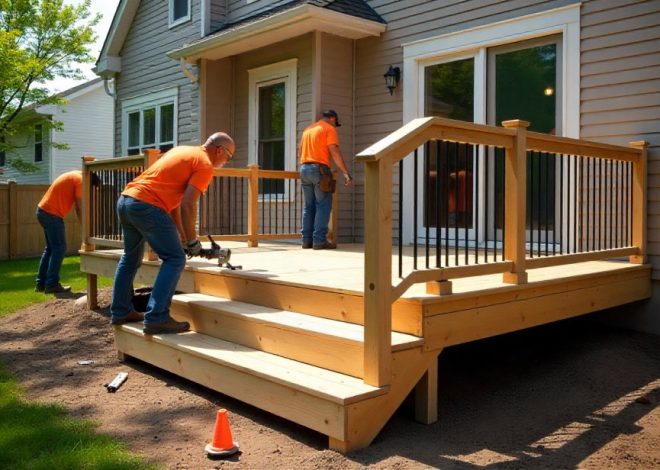
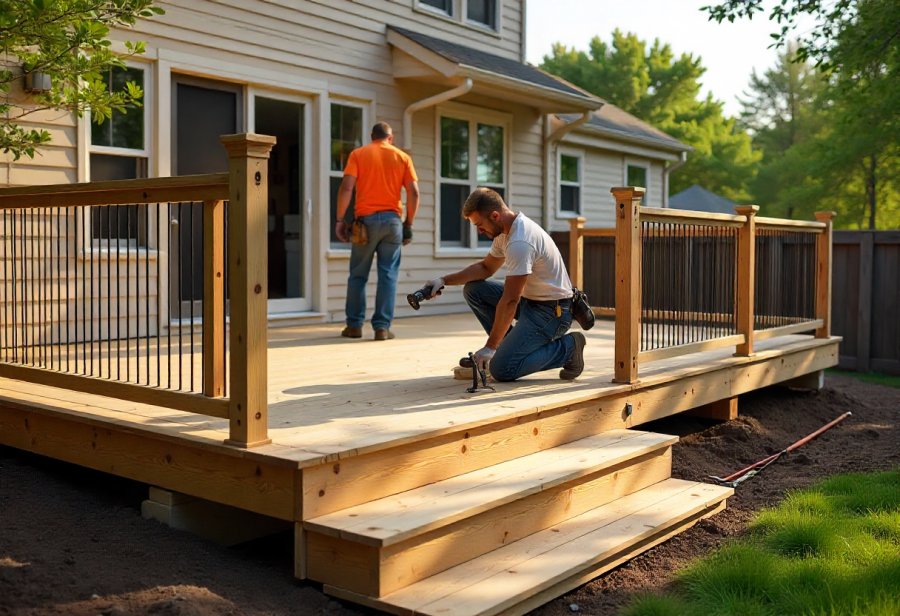
Building a custom deck is more than just selecting materials—it’s an art of craftsmanship that transforms outdoor spaces into timeless retreats. The process involves meticulous attention to detail, from precise measurements to thoughtful material choices, ensuring durability and beauty that withstand the test of time. Historically rooted in cultural expression, outdoor construction now balances tradition with cutting-edge innovations like eco-friendly materials and smart technology. As modern builders adhere to stringent safety standards and incorporate practical features—built-in seating, lighting, drainage—they craft versatile, personalized outdoor havens. With future trends leaning toward sustainability and seamless design integration, could the next generation of decks redefine outdoor living? Will technological advances and eco-conscious choices elevate our outdoor retreats into even more functional, beautiful sanctuaries? Craftsmanship remains at the heart of every project, promising outdoor spaces that are not only breathtaking but resilient across generations—are you ready to elevate your outdoor experience?
Crafting Outdoor Retreats: The Art of Custom Deck Building
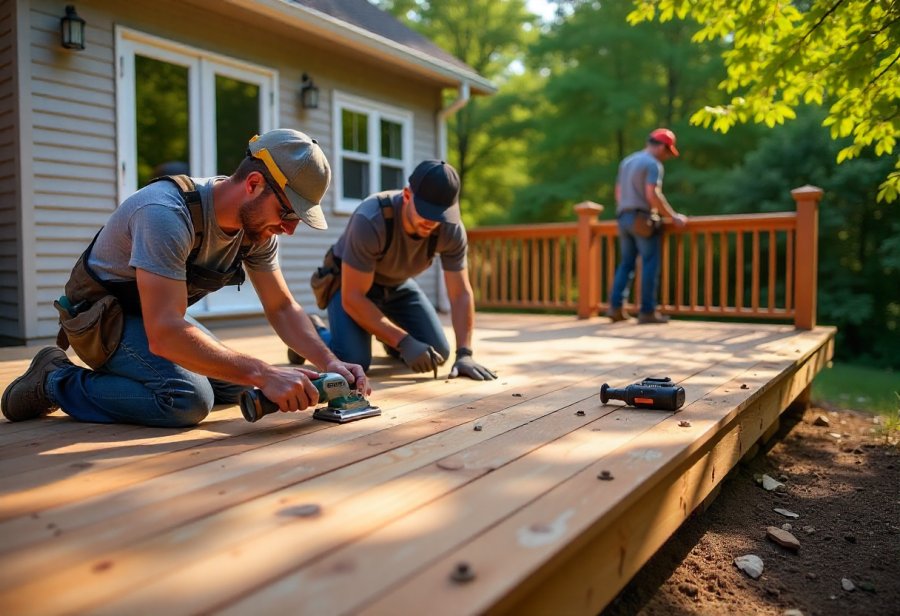
Building a custom deck is as much an art as it is a technical task. At its core, craftsmanship sets apart a mere structure from a true outdoor retreat. Skilled artisans pay close attention to every detail, interpreting plans with precision and working meticulously to ensure each joint fits perfectly and each beam is level. This dedication to accuracy and quality transforms raw materials into a durable, visually appealing space that stands the test of time.
Craftsmanship goes beyond just careful measurement; it’s about understanding how materials behave under different conditions and choosing the right fasteners and finishes to enhance longevity. Whether working with cedar, redwood, or composite decking, an expert’s touch ensures that each element complements the overall design. Small details—like seamless joints and properly aligned boards—may seem minor but are crucial in creating a deck that looks polished and functions flawlessly.
The process involves more than technical skill—it requires a sense of pride and patience. Good craftsmanship means laying a foundation that’s perfectly level, framing that’s sturdy, and finishing touches that elevate the entire project. These efforts not only produce a beautiful final product but also guarantee safety and durability, making the deck a reliable part of your outdoor life for years to come.
Choosing the right materials is another critical aspect of craftsmanship. Top-tier options like pressure-treated lumber, composite boards, or exotic hardwoods are selected not just for their aesthetic appeal but for their ability to withstand weather and wear. The artisan’s ability to work skillfully with these materials ensures a cohesive, long-lasting structure that adds value and beauty to any home.
Design is equally important in craftsmanship. A well-built deck considers how it connects to the yard, incorporates safety features, and provides practical spaces for seating and entertaining. Thoughtful placement and attention to detail turn a simple surface into a functional extension of your living area—an inviting space that enhances daily life and special gatherings alike.
Ultimately, craftsmanship elevates a deck from a basic outdoor feature to a personal statement of style and care. It’s about pouring skill, patience, and pride into every stage of construction. When done right, your deck becomes more than just a structure; it becomes a cherished part of your home’s landscape, built to last and designed to impress.
Tracing the Roots: The Cultural Legacy of Outdoor Construction
Outdoor construction has a rich history that mirrors how humans have connected with their environment and expressed their cultural values through the ages. In ancient times, simple wooden platforms and terraces extended from homes, serving as both functional spaces and symbols of social standing. These early structures often reflected local resources and craftsmanship techniques passed down through generations, transforming basic materials into enduring landmarks of community and identity.
As civilizations evolved, so did their outdoor spaces. During the Middle Ages and Renaissance periods, courtyards and gardens became more elaborate, often designed as private retreats or displays of wealth and power. Skilled artisans used their expertise to blend practicality with artistry, creating harmonious environments that mirrored societal ideals. These spaces weren’t just about utility—they embodied cultural aspirations and aesthetic sensibilities, showcasing craftsmanship as a form of artistic expression.
In North America, the rise of suburban living in the 20th century marked a shift toward casual outdoor lifestyles. Decks and patios became essential features, reflecting a cultural desire to extend indoor comfort outdoors. This era emphasized convenience and leisure, prompting craftsmen to develop new techniques and materials that prioritized durability and ease of maintenance. The evolution of outdoor construction in this period highlights how craftsmanship adapts to changing social values and technological innovations.
Throughout history, the role of craftsmanship in outdoor design has been central. Artisans often relied on local materials and traditional methods, emphasizing harmony with nature and resilience against the elements. Whether through woodworking, masonry, or landscape design, their work created outdoor spaces that were both functional and beautiful—lasting symbols of cultural identity. These techniques and philosophies continue to influence modern practices, connecting past and present in the ongoing story of outdoor craftsmanship.
Today, cultural influences continue to shape outdoor construction, blending tradition with innovation. Indigenous communities, for example, have long embraced sustainable materials and harmonious design principles rooted in environmental respect. Contemporary architects and designers draw inspiration from these practices, integrating eco-friendly materials, smart technology, and personalized features. This ongoing dialogue between tradition and modernity ensures that outdoor spaces remain meaningful expressions of cultural values, craftsmanship, and individual identity.
Modern Standards: Practices and Norms in Deck Construction
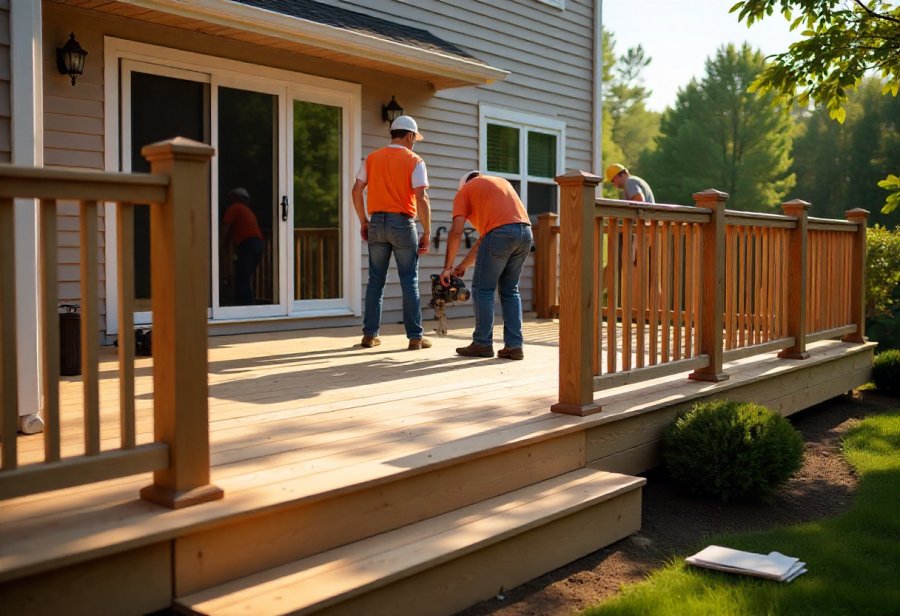
Modern custom deck construction adheres to a set of well-established standards that prioritize safety, durability, and visual appeal. The process begins with a thorough site assessment, where factors like soil stability, sunlight exposure, wind patterns, and existing landscape features are evaluated. This step guides decisions on foundation type and design, helping to prevent costly mistakes and ensuring the structure’s longevity. Strict compliance with local building codes—covering foundation depth, railing height, and load capacity—is essential to guarantee safety and adherence to regulations.
Material choice remains central to current practices. Builders often select pressure-treated lumber, composite decking, or hardwoods such as ipe, depending on aesthetic preferences and durability needs. These options are driven by weather resistance, low maintenance, and visual appeal. Fastening methods have evolved as well; hidden fasteners and corrosion-resistant screws are now standard, creating a cleaner look while preventing rust and deterioration over time. Precision during framing and installation is non-negotiable, with careful measurements, level framing, and seamless joints forming the backbone of quality craftsmanship.
Incorporating functional features has become a hallmark of modern decks. Built-in seating, integrated lighting, and advanced drainage systems transform a basic outdoor surface into a versatile living space. Thoughtful design that balances style with practicality ensures the deck can support gatherings, outdoor dining, or quiet relaxation. Clean lines and natural finishes dominate contemporary trends, allowing decks to blend seamlessly with their surroundings and enhance curb appeal. Eco-friendly materials and low-impact finishes reflect a broader shift toward sustainability in outdoor construction.
Technological innovations continue to shape standards. Hidden fasteners, prefabricated components, and advanced drainage solutions streamline installation and boost durability. Smart features like automated lighting, climate control, and outdoor entertainment systems extend usability into evening hours and cooler seasons. These advancements not only improve comfort but also add a modern touch that aligns with evolving homeowner expectations. Despite these innovations, attention to detail and craftsmanship remain crucial, ensuring each deck is resilient, safe, and attractive.
While the industry continues to evolve, the core principles of quality, safety, and aesthetic harmony guide current practices. Skilled professionals navigate the balance between innovative techniques and traditional craftsmanship, creating outdoor decks that are both functional and beautiful. By adhering to these standards, builders deliver outdoor spaces that stand the test of time—spaces that elevate daily life and reflect a commitment to excellence in outdoor design.
Living Outdoors: Practical Uses and Personal Touches on Custom Decks
Custom decks seamlessly blend function with personal style, transforming outdoor areas into versatile extensions of the home. In real-world settings, they serve a variety of purposes—from casual mornings sipping coffee to lively weekend gatherings. Thoughtful planning and expert craftsmanship ensure these spaces are inviting and practical, encouraging daily use and special occasions alike.
Homeowners often incorporate built-in seating and storage solutions to maximize comfort and convenience. These features help keep the deck tidy and create cozy spots for conversations or relaxing alone. Proper lighting, whether through LED strips or decorative lanterns, extends usability into the evening, setting a warm and welcoming mood. Some decks even include fire pits or outdoor heaters, allowing enjoyment year-round despite changing weather.
Durability remains a top priority in these practical designs. Skilled builders choose weather-resistant materials like composite decking or pressure-treated wood, ensuring the structure withstands rain, sun, and temperature fluctuations. Well-designed framing and drainage systems prevent water buildup, reducing risks of warping or rot. This attention to detail keeps the deck attractive, safe, and low-maintenance over time, so homeowners can relax without constant repairs.
Personal touches further elevate outdoor spaces. Homeowners might add planters, built-in benches, or outdoor kitchens to customize their decks to fit their lifestyles. Smart features—such as outdoor speakers, automated lighting, or weather sensors—make the space more convenient and enjoyable. These thoughtful details turn a simple deck into a personalized retreat that supports both entertaining and quiet moments of solitude.
A well-designed deck integrates smoothly with the existing landscape and home layout. Proper placement ensures easy access from indoor living areas, creating a natural flow that encourages regular use. Multi-level designs can accommodate different activities, while simpler platforms serve as perfect spots for outdoor dining. When built with care and expertise, these outdoor extensions become reliable, cherished parts of daily life, supporting countless memories and moments of relaxation.
In essence, custom decks in real-world settings are about more than just aesthetics—they’re about enhancing lifestyle and property value. By combining durability, functionality, and personal style, these outdoor spaces become true retreats. They invite homeowners to enjoy the outdoors comfortably, whether for everyday routines or special celebrations, making every moment outside feel effortless and enjoyable.
Looking Ahead: Innovations and Trends Shaping Future Outdoor Decks
The future of custom outdoor decks is set to be shaped by both technological innovation and a stronger focus on sustainability. Homeowners are increasingly drawn to eco-friendly materials like recycled composites, bamboo, and other renewable resources that offer durability without harming the environment. Advancements in material science continue to produce finishes and formulations that are not only environmentally conscious but also resistant to weather and wear, making sustainable choices more practical and appealing.
Technological progress is transforming what outdoor decks can do. Smart features such as automated lighting, climate control, and built-in sound systems are becoming commonplace, turning decks into integrated outdoor living rooms. Wi-Fi-enabled sensors and remote controls allow users to customize atmospheres—adjusting lighting, temperature, or music—at the tap of a button. These innovations extend outdoor usability into evenings and cooler seasons, making the space more versatile and comfortable year-round.
Design trends are leaning toward minimalism and seamless integration with nature. Clean lines, natural finishes, and unobtrusive details help decks blend effortlessly into their surroundings rather than compete with them. Modular and prefabricated components are gaining popularity, simplifying construction while offering flexibility for customization and future expansion. This approach makes high-quality craftsmanship more accessible and encourages homeowners to create outdoor retreats that are both stylish and adaptable.
Improvements in construction techniques further boost deck longevity and ease of maintenance. Hidden fasteners and advanced drainage systems prevent water accumulation and reduce the risk of rot or warping, ensuring the structure withstands changing weather patterns over many years. With better ventilation and durable materials, decks become more resilient, reducing long-term repair costs and maintaining their aesthetic appeal without constant upkeep.
As sustainability and technology continue to advance, outdoor decks will evolve into more than just functional structures—they will become personalized, eco-friendly havens that support a modern, connected lifestyle. Incorporating smart features, sustainable materials, and thoughtful design, future decks will serve as versatile, enduring spaces where comfort, beauty, and environmental responsibility go hand in hand. This ongoing evolution promises outdoor retreats that are as innovative as they are timeless, ensuring they remain integral parts of our outdoor living experience for generations to come.