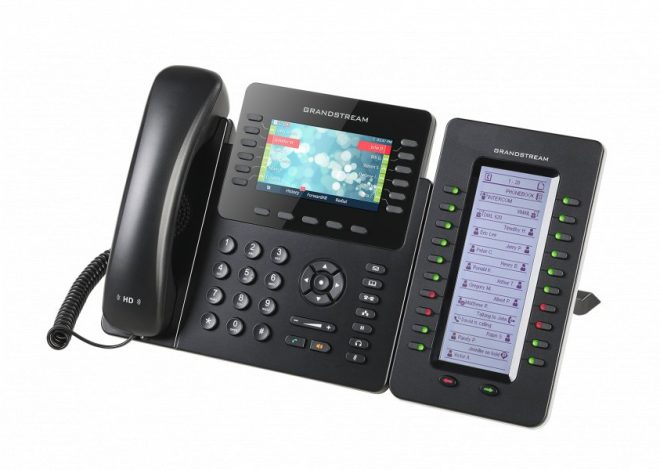
Transform Your Business with Personalized Telephony Solutions
Imagine transforming your business communication with tailored telephony solutions that go beyond basic connectivity—are you leveraging the full potential of innovative devices like Grandstream’s IP phones? As technology has evolved from analog copper wires to scalable IP-based systems, organizations now have unprecedented opportunities to craft personalized, scalable communication environments that boost operational efficiency and enhance customer engagement. This strategic shift emphasizes customization—from call routing to branding—allowing businesses to respond faster and more accurately to client needs. Yet, the journey involves careful planning, seamless deployment, and ongoing management—raising questions about security, training, and integration. With emerging technologies like AI and 5G promising smarter, more responsive systems, the future of telephony remains both exciting and complex. Are you prepared to harness these advancements and future-proof your communication infrastructure for sustained growth and competitive advantage?
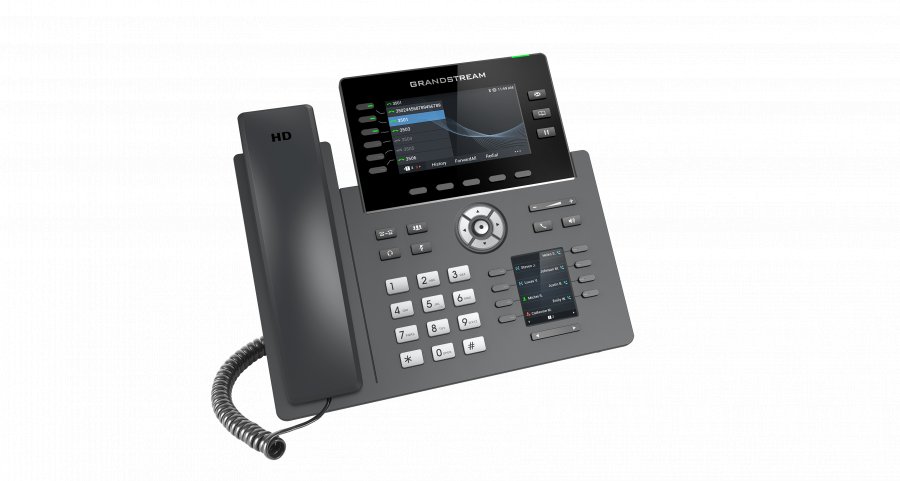
Unlocking Business Success with Customized Telephony Solutions
Effective communication is the backbone of any successful business. As companies grow and enter new markets, their need for reliable, efficient, and personalized telephony solutions becomes even more critical. Off-the-shelf systems may seem convenient at first, but they often fall short when it comes to supporting unique workflows or reflecting a company’s brand identity. That’s where customized telephony solutions come into play, allowing organizations to tailor their communication channels to fit their specific needs.
These tailored systems do more than just connect calls—they streamline internal processes and enhance customer interactions. By integrating communication tools directly into existing workflows, businesses can reduce delays, avoid misunderstandings, and create a more seamless experience for both staff and clients. Custom features like personalized greetings, call routing, and branding elements help reinforce a company’s identity and make every interaction feel more attentive and human.
Over the years, technological advances have transformed telephony from simple voice transmission to sophisticated, scalable systems. Early analog setups relied on copper wires, offering basic voice service but limited flexibility. The introduction of digital and IP-based systems opened new horizons, enabling remote management, cost savings, and deeper integration with digital platforms. Private branch exchange (PBX) systems set the stage for internal call management, offering features like voicemail, conference calling, and call forwarding that enhanced internal collaboration.
Today, modern solutions leverage high-tech devices from providers like Grandstream, making customization easier than ever. Cloud-managed platforms and IP phones give businesses the tools to configure, monitor, and adapt their communication networks remotely. This flexibility supports rapid growth, whether expanding to new locations or upgrading customer engagement strategies. Creating a personalized telephony environment isn’t just about technology—it’s about crafting better experiences that boost operational efficiency and strengthen brand presence.
Understanding the evolution from analog to digital and now to IP-based systems helps organizations appreciate the capabilities and limitations of different setups. Recognizing these foundational shifts enables smarter choices in hardware and software, ensuring that systems are not only tailored to current needs but also adaptable for future growth. As innovation continues, the potential for creating highly personalized, scalable, and integrated communication environments keeps expanding, making customized telephony a strategic asset for forward-thinking organizations.
Tracing the Evolution of Telephony Technology from Bell to Broadband
Telephony technology has evolved dramatically since Alexander Graham Bell’s groundbreaking invention in 1876. Initially, voice communication relied on analog signals transmitted over copper wires, which provided reliable but limited sound quality and scalability. These early systems laid the foundation for what would become the modern telecommunications infrastructure, with improvements gradually expanding capacity and clarity.
The development of private branch exchange (PBX) systems marked a significant milestone. These systems allowed organizations to manage internal calls efficiently while controlling external line access. PBXs introduced features like call forwarding, voicemail, and conference calling, transforming internal communication and supporting larger, more complex teams. They became the backbone of corporate telephony, enabling better collaboration and operational control.
As digital technology advanced, analog systems gave way to digital telephony, offering clearer sound quality and more reliable connections. Digital systems also introduced better data management, paving the way for integration with other digital tools and platforms. This transition made telephony more flexible and set the stage for the next major shift: IP-based communication.
The move to internet protocol (IP) telephony revolutionized the industry by embedding voice into data networks. This integration reduced costs, increased scalability, and allowed remote management. IP systems enable voice calls to travel seamlessly over the same infrastructure as internet data, simplifying deployment and maintenance. They also support cloud-based management, making it easier to configure, monitor, and update systems from anywhere.
Today’s telephony infrastructure relies on hardware like IP phones, gateways, and servers that work together to deliver high-quality voice communication across networks. Cloud management platforms centralize control, enabling organizations to deploy, configure, and troubleshoot devices remotely. This interconnected setup supports tailored solutions, allowing businesses to create personalized, scalable communication environments suited to their specific needs.
The evolution from analog to digital and now to IP-based systems reflects a clear trend toward greater flexibility, scalability, and integration. Each stage has expanded the possibilities for customization, whether through advanced features, remote management, or seamless digital integration. Modern telephony is designed to support tailored communication environments that enhance operational efficiency and customer engagement.
Looking ahead, innovations like 5G, artificial intelligence, and IoT promise to further transform telephony systems. These technologies will enable smarter call routing, real-time sentiment analysis, and adaptive workflows. As connectivity becomes faster and more reliable, organizations will be able to deploy more responsive, intelligent communication solutions that support their growth and agility.
Understanding the history and structure of telephony technology helps organizations leverage current innovations effectively. Recognizing how each stage built upon the last allows for smarter hardware choices and smarter system design. As the industry continues to evolve, a solid grasp of its foundations ensures that businesses can future-proof their communication networks and harness the full potential of emerging technologies.

Harnessing the Power of Personalized Telephony in Modern Business
In today’s fast-paced business world, personalized telephony systems have become more than just a nice-to-have—they’re essential for staying competitive. Companies now recognize that off-the-shelf solutions often fall short when it comes to meeting unique workflows and branding needs. Customizable systems, supported by devices like Grandstream’s IP phones, enable organizations to tailor every interaction, making processes smoother and customer experiences more engaging. This shift isn’t just about technology; it’s about creating communication channels that truly reflect a company’s identity and values.
Industry leaders emphasize that tailored telephony can bridge communication gaps and boost operational efficiency. By customizing call routing, greetings, and features, businesses respond faster and more accurately to customer needs. For example, retail chains can streamline inquiries with quick-dial options, while healthcare providers can ensure secure, remote conversations. These personalized touches make interactions feel more human and attentive, strengthening brand loyalty and trust.
Despite the clear benefits, some organizations hesitate to make the switch, worried about costs, complexity, or security concerns. Implementing a customized system requires hardware upgrades, staff training, and ongoing management, which can seem daunting at first. However, cloud-managed platforms like Grandstream’s simplify this process, offering scalable remote management that reduces setup time and minimizes errors. When approached strategically, the long-term gains in agility and customer satisfaction outweigh the initial challenges.
Media coverage and industry commentary increasingly highlight the transformative power of personalized telephony. Success stories showcase how tailored solutions streamline workflows and elevate service quality. Cloud platforms with scalable IP phones enable faster deployment, easier updates, and better call quality, turning investment into a strategic advantage. These narratives confirm that customization is no longer a luxury—it’s a necessity for modern, adaptable businesses.
Regional differences influence adoption speeds and approaches. North American and European companies, with robust cloud infrastructure and a culture of remote work, tend to embrace scalable, cloud-based setups supported by devices like Grandstream’s IP phones. Meanwhile, organizations in parts of Asia and the Middle East may proceed more cautiously, prioritizing cost-effective or simpler options before fully customizing their systems. Cultural and economic factors shape how quickly and deeply they integrate these solutions.
Looking ahead, innovations like AI, automation, and analytics will deepen the impact of personalized telephony. Smarter call routing, sentiment analysis, and real-time insights will make interactions more natural and efficient. The rollout of 5G will further enhance connectivity, supporting faster, more reliable remote management and device deployment. These advancements will enable organizations to respond more quickly, personalize experiences at scale, and support increasingly complex workflows.
Staying open to ongoing innovation is key. As new tools and technologies emerge, organizations that invest now will be better positioned to leverage future capabilities. Creating a flexible, scalable communication environment today ensures they can adapt seamlessly to evolving needs, maintaining a competitive edge in a digital-first landscape. Personalized telephony is no longer a niche—it’s a vital component of strategic growth and customer engagement.
Strategic Steps to Implement and Optimize Custom Telephony Systems
Starting with a clear understanding of your organization’s specific communication needs lays the foundation for a successful telephony implementation. Analyze your current call volumes, workflows, and the features that could improve daily operations. This targeted approach ensures you select hardware and software that deliver real value, making the deployment smoother and more effective from the start.
Leverage centralized management platforms like Grandstream’s cloud-based tools to streamline configuration and ongoing oversight. These systems allow you to remotely manage multiple devices, reducing the need for on-site visits and minimizing setup errors. Auto-provisioning features enable rapid deployment, so new devices integrate seamlessly without complex manual programming, saving time and resources.
Running a pilot program before a full-scale rollout helps identify potential issues early. Select a few locations or users to test the system’s performance and gather feedback. This step allows you to fine-tune configurations, address user concerns, and ensure the features align with actual needs. A well-managed pilot builds confidence and smooths the transition for wider adoption.
Training your team on the new system is crucial for unlocking its full potential. Provide straightforward instructions and hands-on demonstrations to help staff manage calls, access voicemails, and utilize remote features confidently. When users understand how to operate the system effectively, support requests decrease, and daily operations become more streamlined.
Address compatibility and security challenges during deployment. Choose hardware like Grandstream’s IP phones and gateways that integrate smoothly with your chosen platform. Implement encryption protocols and access controls to protect sensitive data, especially when managing systems remotely via cloud services. Planning for these aspects upfront keeps the project on track and safeguards your communications.
Ongoing support and continuous optimization turn a good system into a strategic advantage. Regular firmware updates, performance monitoring, and listening to user feedback help refine workflows and adapt to changing needs. Keeping your telephony environment flexible ensures it remains aligned with your business goals, supporting growth and innovation.
By adopting a strategic, well-supported approach to deployment, businesses can significantly enhance communication efficiency. Thoughtful planning, leveraging cloud management, and investing in staff training ensure that your tailored telephony system becomes a powerful tool for operational excellence. This proactive stance paves the way for future scalability and sustained competitive advantage.
Embracing the Future of Communication: Innovations, Trends, and Continuous Growth
Looking ahead, the future of customized telephony solutions is full of exciting possibilities driven by emerging technologies. Artificial intelligence, automation, and data analytics are set to deepen the level of personalization and efficiency, enabling smarter call routing, real-time sentiment detection, and predictive insights that elevate customer interactions. These advancements will make communication more natural, responsive, and tailored to individual needs, helping businesses build stronger relationships and improve satisfaction.
The rollout of 5G networks promises to revolutionize telephony by providing faster, more reliable connections. This will support seamless remote management, quicker deployment, and real-time adjustments across devices and locations. As connectivity becomes more robust, organizations can easily scale their systems, adapt to new workflows, and support a more interconnected workplace through IoT devices and integrated platforms. This increased agility ensures that communication infrastructure keeps pace with rapid business growth and evolving demands.
Artificial intelligence will also play a pivotal role in shaping future communication environments. From automating routine tasks to analyzing customer emotions, AI will enable more intuitive and meaningful interactions. Companies investing early in these tools will gain a competitive edge, offering richer, more personalized experiences that foster loyalty and trust. AI-driven insights will empower organizations to anticipate needs, optimize workflows, and respond more proactively to market changes.
Security remains a top priority as telephony systems become more sophisticated and cloud-based. Advanced encryption protocols, access controls, and continuous monitoring will be essential to safeguard sensitive data and maintain trust. As remote and hybrid work models become the norm, ensuring robust security measures will be crucial for compliance and peace of mind. Building a resilient, secure infrastructure today lays the foundation for confidently embracing future innovations.
Investing in flexible, scalable systems now prepares organizations for ongoing technological evolution. By creating adaptable communication environments, companies can seamlessly incorporate new features, stay ahead of industry trends, and continuously improve service delivery. Embracing innovation with a strategic mindset will ensure that telephony remains a vital driver of operational efficiency and customer engagement in an increasingly digital and connected world.